


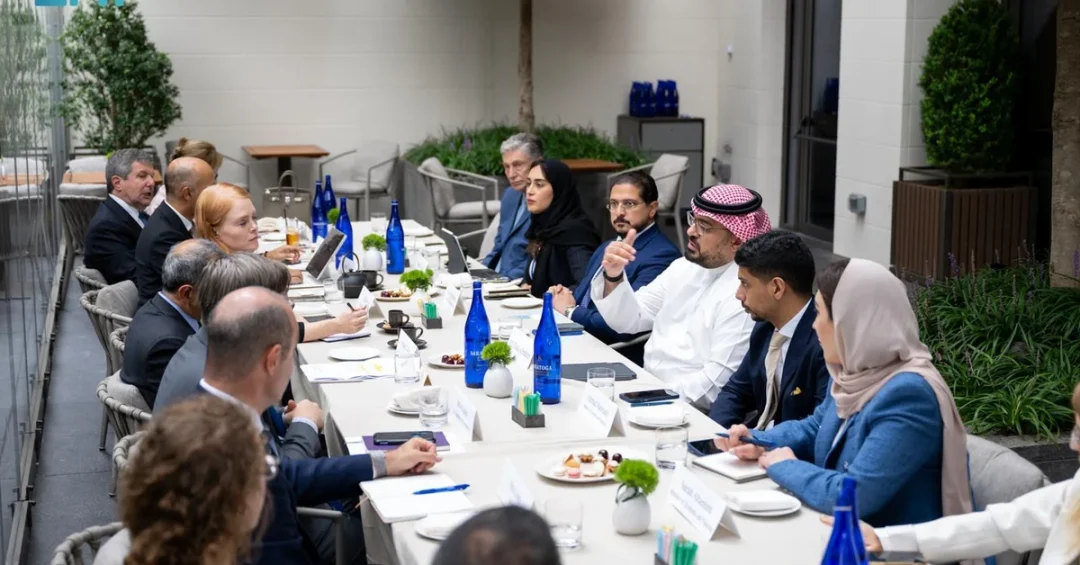
Saudi Minister of Economy and Planning Faisal Alibrahim met with officials from the US Chamber of Commerce and private sector representatives in New York on September 26, 2024, to discuss enhancing collaboration and exploring investment opportunities in Saudi Arabia under Vision 2030. The meeting, reported by the Saudi Press Agency (SPA), underscored the Kingdom’s ongoing efforts to deepen economic ties with international partners and attract foreign investment in line with its ambitious reform agenda.
Context and Background
The meeting took place against the backdrop of Saudi Arabia’s sustained push to diversify its economy away from oil dependence, a core objective of Vision 2030. The US Chamber of Commerce, the world’s largest business federation, represents the interests of more than three million companies and serves as a vital bridge between American businesses and global markets. This engagement aligns with Saudi Arabia’s broader strategy to strengthen bilateral economic relations, particularly with the United States, a longstanding strategic partner. In recent years, Saudi Arabia has introduced sweeping regulatory reforms, including full foreign ownership in certain sectors, streamlined licensing procedures, and enhanced investor protections, all designed to create a more attractive business environment. The Kingdom’s Public Investment Fund (PIF) has also emerged as a major global investor, further elevating Saudi Arabia’s profile as a dynamic economic player. The meeting in New York, a global financial hub, signals Saudi Arabia’s proactive approach to engaging with key stakeholders and showcasing the myriad opportunities available within its rapidly transforming economy.
Key Details of the Meeting
During the discussions, Minister Alibrahim highlighted the transformative potential of Vision 2030 and outlined the vast investment prospects across various sectors, including renewable energy, technology, tourism, healthcare, and entertainment. He emphasized Saudi Arabia’s commitment to fostering a business-friendly environment and the numerous incentives offered to foreign investors. The US Chamber of Commerce officials and private sector representatives expressed keen interest in exploring partnerships and expanding their footprint in the Saudi market. The dialogue focused on identifying concrete avenues for collaboration, addressing potential challenges, and leveraging the strengths of both nations to drive mutual prosperity. This meeting follows a series of high-level engagements between Saudi and US officials, reflecting the deepening economic ties and shared vision for a prosperous future. The exchange also touched upon the importance of knowledge transfer, capacity building, and innovation as catalysts for sustainable growth. Both sides agreed on the need for continued dialogue and follow-up actions to translate the discussed opportunities into tangible outcomes.
Implications and Impact
The meeting between Minister Alibrahim and US Chamber of Commerce officials carries significant implications for Saudi Arabia’s economic landscape and its global standing. It reinforces the Kingdom’s position as a prime destination for foreign direct investment (FDI) and signals to the international business community that Saudi Arabia is open for business. Enhanced collaboration with the US private sector could lead to increased capital inflows, job creation, and technology transfer, all of which are essential for achieving Vision 2030 targets. Furthermore, such engagements help counter negative perceptions and showcase the Kingdom’s progress in creating a vibrant, diversified economy. On a regional level, strengthened Saudi-US economic ties can contribute to stability and prosperity, fostering a more integrated and dynamic Middle East. The meeting also highlights the role of Saudi diplomacy in building bridges and fostering partnerships that transcend traditional boundaries. As Saudi Arabia continues to position itself as a global investment powerhouse, interactions like these are crucial for sustaining momentum and attracting the world’s leading companies.
Vision 2030 Alignment
This latest engagement is a clear manifestation of Vision 2030’s strategic objective to transform Saudi Arabia into a diversified, innovation-driven economy. By actively courting international partners like the US Chamber of Commerce, the Kingdom is not only attracting vital investment but also fostering knowledge exchange and best practices that will accelerate its development. The meeting underscores Saudi Arabia’s unwavering commitment to economic reform, global integration, and the creation of a thriving private sector. As the Kingdom marches toward a future of sustainable prosperity, such collaborations will be instrumental in unlocking new opportunities, empowering Saudi youth, and solidifying Saudi Arabia’s role as a leader on the world stage. Vision 2030 is not just a plan; it is a promise to future generations, and engagements like this demonstrate the Kingdom’s dedication to fulfilling that promise through proactive, strategic partnerships.
20 Questions
Q1. What was the main purpose of Minister Alibrahim’s meeting in New York?
A1. The meeting aimed to enhance collaboration and explore investment opportunities in Saudi Arabia within Vision 2030. It brought together US Chamber of Commerce officials and private sector representatives to discuss potential partnerships.
Q2. Who represented Saudi Arabia in the meeting with the US Chamber of Commerce?
A2. Minister of Economy and Planning Faisal Alibrahim represented Saudi Arabia. He led the discussions with US Chamber of Commerce officials and private sector representatives, highlighting investment prospects in the Kingdom.
Q3. When and where did this meeting take place?
A3. The meeting took place on September 26, 2024, in New York, as reported by the Saudi Press Agency. New York, a global financial hub, served as an ideal backdrop for these economic discussions.
Q4. What is the US Chamber of Commerce?
A4. The US Chamber of Commerce is the world’s largest business federation, representing over three million companies. It advocates for pro-business policies and serves as a key interlocutor for international economic engagement.
Q5. Which sectors were highlighted as investment opportunities in Saudi Arabia?
A5. The meeting highlighted sectors such as renewable energy, technology, tourism, healthcare, and entertainment. These areas offer significant growth potential under Vision 2030’s diversification strategy.
Q6. How does this meeting align with Saudi Vision 2030?
A6. It directly supports Vision 2030’s goal of economic diversification by attracting foreign investment and fostering international partnerships. Such collaborations are vital for reducing oil dependence and driving sustainable growth.
Q7. What benefits can Saudi Arabia expect from increased US investment?
A7. Increased US investment can bring capital, technology transfer, job creation, and knowledge exchange. These factors contribute to economic growth, innovation, and the development of a skilled workforce.
Q8. What reforms has Saudi Arabia implemented to attract foreign investors?
A8. Saudi Arabia has introduced full foreign ownership in certain sectors, streamlined licensing, and enhanced investor protections. These reforms aim to create a welcoming business environment conducive to long-term investment.
Q9. What role does the Public Investment Fund (PIF) play in Saudi Arabia’s economic strategy?
A9. The PIF is a major global investor, driving economic diversification and funding large-scale projects. It supports Vision 2030 by investing in new sectors and attracting co-investors from around the world.
Q10. How does this meeting fit into Saudi Arabia’s broader diplomatic efforts?
A10. It reflects Saudi Arabia’s proactive economic diplomacy, strengthening ties with the US and showcasing the Kingdom as a reliable partner. Such engagements build bridges and enhance mutual prosperity.
Q11. What was the response of US officials to the investment opportunities presented?
A11. US Chamber officials and private sector representatives expressed keen interest in exploring partnerships and expanding their presence in Saudi Arabia. They recognized the vast potential of the Saudi market.
Q12. What are the potential challenges in enhancing Saudi-US economic collaboration?
A12. Challenges may include regulatory differences, market entry barriers, and geopolitical factors. However, ongoing dialogue and reforms are addressing these to facilitate smoother collaboration.
Q13. How does this meeting contribute to Saudi Arabia’s image as an investment destination?
A13. It reinforces the Kingdom’s image as a dynamic, business-friendly economy open to foreign investment. Positive engagement with global business leaders helps counter negative perceptions and attract FDI.
Q14. What follow-up actions are expected after this meeting?
A14. Both sides agreed on continued dialogue and follow-up to translate opportunities into tangible outcomes. This may involve further meetings, MoUs, and joint initiatives to facilitate investment.
Q15. How does Saudi Arabia’s investment climate compare to other regional economies?
A15. Saudi Arabia stands out due to its large market, strategic location, and comprehensive reforms. It offers a stable and increasingly transparent environment, making it a top choice for investors.
Q16. What is the significance of New York as the meeting location?
A16. New York is a global financial capital, home to many multinational corporations and investors. Meeting there underscores Saudi Arabia’s intent to engage with key global players.
Q17. How can US companies benefit from investing in Saudi Arabia?
A17. US companies can access a growing market, benefit from incentives, and participate in mega-projects. They can also leverage Saudi Arabia’s position as a gateway to the region.
Q18. What role does the Ministry of Economy and Planning play in Vision 2030?
A18. The Ministry drives economic planning and policy formulation to achieve Vision 2030 goals. It coordinates with various stakeholders to ensure sustainable and inclusive growth.
Q19. How does this meeting reflect Saudi Arabia’s commitment to international cooperation?
A19. It demonstrates Saudi Arabia’s openness to collaboration and its proactive approach to building partnerships. Such engagements are essential for shared prosperity and global integration.
Q20. What message does this meeting send to the global business community?
A20. It sends a clear message that Saudi Arabia is open for business and committed to creating a vibrant, investment-friendly economy. The Kingdom welcomes partnerships that drive mutual growth.
Reader Feedback
We value your thoughts. Please share your feedback on this article.
Your feedback helps us improve our coverage.
Related articles
 Saudi Arabia Launches ATA Carnet to Boost Trade
 Comoros Finance Minister Visits ICIEC in Jeddah to Boost Investment
 ZATCA Participates in 2024 FIATA World Congress in Panama
 Saudi Vice Minister of Finance Joins AIIB Annual Meetings
 Saudi Arabia Sets New Record for Poultry Meat Production
 Saudi-Georgian Business Forum Signs Trade Agreements in Tbilisi