


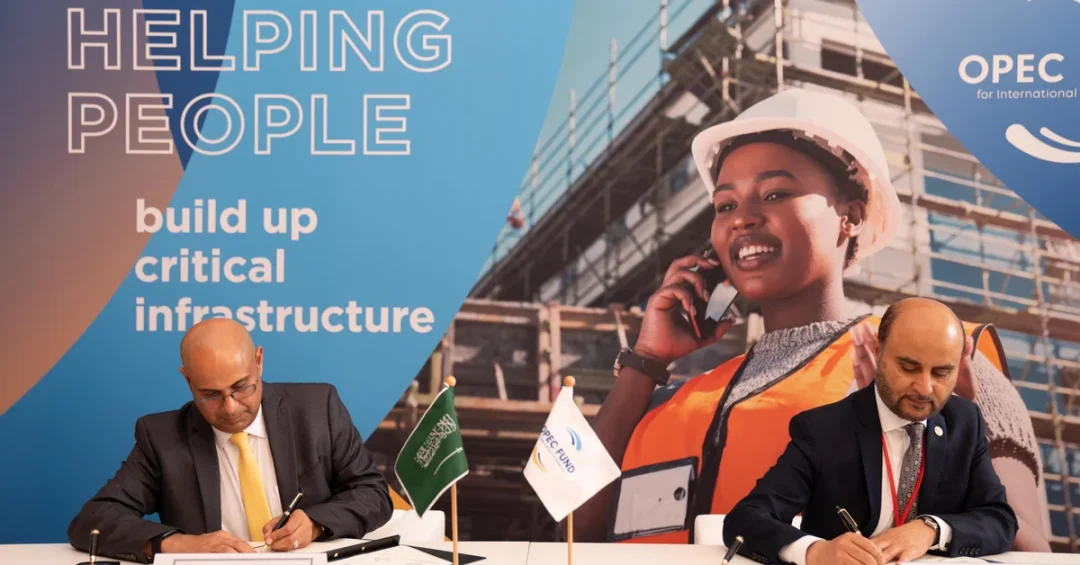
The Saudi Export-Import Bank (Saudi EXIM) and the OPEC Fund for International Development signed a memorandum of understanding (MOU) on June 26, 2024, in Vienna to enhance cooperation, support development initiatives, and promote Saudi non-oil exports in mutually beneficial markets. The agreement was signed during the 2024 OPEC Development Forum by Eng. Saad bin Abdulaziz Al-Khalab, CEO of Saudi EXIM, and Dr. Abdulhamid Alkhalifa, Director General of the OPEC Fund for International Development. This strategic partnership underscores Saudi Arabia’s commitment to diversifying its economy and expanding its global trade footprint in line with Vision 2030.
Context and Background
Saudi EXIM was established in 2020 to boost non-oil exports and support the Kingdom’s economic diversification agenda. The OPEC Fund for International Development, headquartered in Vienna, is a multilateral development finance institution that promotes economic growth in over 70 countries. The MOU aligns with Saudi Arabia’s efforts to strengthen international partnerships and contribute to sustainable development, particularly in emerging markets across Asia, Africa, and Latin America. This collaboration reflects the Kingdom’s proactive role in global development and trade facilitation.
Key Details
Eng. Al-Khalab emphasized that the MOU reflects Saudi EXIM’s dedication to forging robust international partnerships and supporting sustainable development. He praised the OPEC Fund’s role in promoting economic growth worldwide and highlighted Saudi EXIM’s enthusiasm for its pivotal role in these initiatives. During the forum, Eng. Al-Khalab led the Saudi delegation in exploring opportunities for international development initiatives, enhancing trade relations, and establishing partnerships to facilitate Saudi non-oil exports. He held meetings with various ministers and CEOs of international commercial and development institutions, including discussions with Minister of State for Financial Affairs in the Maldives Hussain Adam on enhancing cooperation for Saudi exports in Asian markets. Additionally, he met with CEO of Africa 50 Alain Ebobisse to explore collaboration opportunities for Saudi exports in African markets, as well as discussions on expanding exports to Latin America and the Caribbean.
Implications and Impact
This MOU is expected to open new avenues for Saudi non-oil exports, providing local investors with greater access to international markets. It also strengthens Saudi Arabia’s ties with the OPEC Fund and other development institutions, fostering economic diplomacy and sustainable development. By targeting regions such as Asia, Africa, and Latin America, Saudi EXIM aims to diversify export destinations and reduce dependence on oil revenues. This initiative supports the Kingdom’s broader strategy to increase non-oil exports to 50% of non-oil GDP by 2030, as outlined in Vision 2030. The partnership also enhances Saudi Arabia’s global standing as a responsible economic player committed to mutual prosperity.
Vision 2030 Alignment
The MOU directly supports Saudi Vision 2030’s objective of diversifying the economy and boosting non-oil exports. By collaborating with international partners like the OPEC Fund, Saudi EXIM is helping to create a resilient, export-driven economy. This initiative not only strengthens the Kingdom’s non-oil sectors but also reinforces its role as a global leader in sustainable development and trade. As Saudi Arabia continues to expand its international partnerships, such agreements will be instrumental in achieving the ambitious goals of Vision 2030 and ensuring long-term economic prosperity.
20 Questions
Q1. What is the main purpose of the MOU signed between Saudi EXIM and the OPEC Fund?
A1. The MOU aims to enhance cooperation, support development initiatives, and promote Saudi non-oil exports in mutually beneficial markets. It reflects Saudi EXIM’s commitment to international partnerships and sustainable development.
Q2. When and where was the MOU signed?
A2. The MOU was signed on June 26, 2024, during the 2024 OPEC Development Forum in Vienna, Austria. The forum brought together international development institutions and officials.
Q3. Who signed the MOU on behalf of Saudi EXIM?
A3. Eng. Saad bin Abdulaziz Al-Khalab, CEO of Saudi EXIM, signed the MOU. He leads the bank’s efforts to boost Saudi non-oil exports globally.
Q4. Who signed the MOU on behalf of the OPEC Fund?
A4. Dr. Abdulhamid Alkhalifa, Director General of the OPEC Fund for International Development, signed the MOU. He has been instrumental in promoting the Fund’s development agenda.
Q5. What did Eng. Al-Khalab say about the MOU?
A5. He said the MOU reflects Saudi EXIM’s commitment to forging robust international partnerships and contributing to sustainable development efforts in collaboration with the global community, supporting Saudi non-oil exports.
Q6. How does the MOU support Saudi Vision 2030?
A6. It supports Vision 2030 by boosting non-oil exports, diversifying the economy, and strengthening international partnerships, aligning with the goal to increase non-oil exports to 50% of non-oil GDP by 2030.
Q7. What regions are targeted for expanding Saudi non-oil exports?
A7. The MOU targets mutually beneficial markets, with discussions focusing on Asia, Africa, Latin America, and the Caribbean. These regions offer growth opportunities for Saudi exports.
Q8. Who did Eng. Al-Khalab meet with at the forum?
A8. He met with Minister of State for Financial Affairs in the Maldives Hussain Adam and CEO of Africa 50 Alain Ebobisse, among others, to explore cooperation for Saudi exports.
Q9. What is the OPEC Fund for International Development?
A9. It is a multilateral development finance institution headquartered in Vienna, promoting economic growth in over 70 countries. It supports development projects and initiatives worldwide.
Q10. How many countries does the OPEC Fund support?
A10. The OPEC Fund supports economic growth in more than 70 countries worldwide, focusing on sustainable development and poverty reduction through financial assistance and partnerships.
Q11. What is Saudi EXIM Bank?
A11. Saudi EXIM Bank is the Saudi Export-Import Bank, established in 2020 to boost non-oil exports and support Saudi Vision 2030 by providing financing, insurance, and guarantees to exporters.
Q12. What does the MOU mean for Saudi non-oil exports?
A12. It opens new avenues for Saudi non-oil exports by facilitating access to international markets, supporting local investors, and strengthening the non-oil national economy in line with Vision 2030.
Q13. What was the 2024 OPEC Development Forum?
A13. The 2024 OPEC Development Forum was a gathering in Vienna of international development institutions and officials to discuss cooperation, development initiatives, and trade relations.
Q14. How does this MOU benefit local Saudi investors?
A14. It provides local investors with greater access to international markets, enhancing their ability to export non-oil products and compete globally, thereby supporting economic diversification.
Q15. What is the significance of Saudi EXIM’s international partnerships?
A15. They enhance Saudi Arabia’s global trade footprint, promote non-oil exports, and contribute to sustainable development, reinforcing the Kingdom’s role as a responsible economic player.
Q16. What did Eng. Al-Khalab discuss with Alain Ebobisse?
A16. They explored collaboration opportunities for Saudi exports in African markets, focusing on enhancing trade relations and establishing partnerships to facilitate non-oil exports.
Q17. What did Eng. Al-Khalab discuss with Hussain Adam?
A17. They discussed enhancing cooperation for Saudi exports in Asian markets, aiming to expand trade relations and explore opportunities for non-oil exports in the region.
Q18. How does the MOU align with Saudi Arabia’s economic diversification goals?
A18. It directly supports diversification by promoting non-oil exports, reducing oil dependence, and fostering sustainable economic growth, key objectives of Saudi Vision 2030.
Q19. What are the expected outcomes of the MOU?
A19. Expected outcomes include increased Saudi non-oil exports, stronger international partnerships, and enhanced sustainable development, contributing to economic diversification and global trade integration.
Q20. How does this MOU reflect Saudi Arabia’s global engagement?
A20. It demonstrates Saudi Arabia’s proactive role in international development and trade, strengthening ties with global institutions and promoting mutual prosperity, in line with Vision 2030.
Reader Feedback
We value your thoughts. Please share your feedback on this article.
Your feedback helps us improve our coverage.