


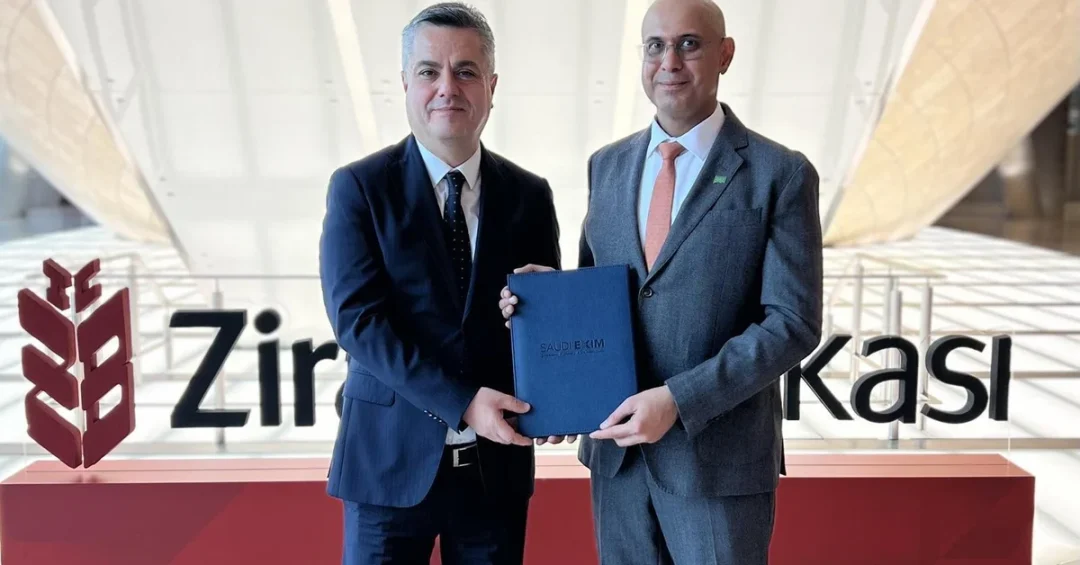
The Saudi Export-Import Bank (Saudi EXIM) announced on May 18, 2024, that it has signed a $100 million line of credit agreement with Ziraat Bank of Türkiye, aimed at financing the export of Saudi non-oil products and services to Turkish markets. The agreement was signed in Istanbul by Saad bin Abdulaziz AlKhalb, Chief Executive Officer of Saudi EXIM, and marks a significant step in the Kingdom’s efforts to expand international trade and promote its non-oil economy.
Context and Background
Saudi EXIM, established in 2020, is a key institution under Saudi Arabia’s Vision 2030 initiative, tasked with empowering Saudi exporters and enhancing the competitiveness of Saudi products in global markets. The bank provides a range of financial services, including lines of credit, export credit insurance, and guarantees, to facilitate trade and open new markets for Saudi businesses. This agreement with Ziraat Bank, one of Türkiye’s largest state-owned banks, underscores the growing economic ties between Saudi Arabia and Türkiye, two major regional economies seeking to deepen cooperation in trade and investment.
Key Details
The $100 million line of credit will be used to finance the export activities of Saudi non-oil products and services to Turkish markets. According to Saudi EXIM CEO Saad bin Abdulaziz AlKhalb, the agreement is part of the bank’s broader strategy to strengthen international trade relations and open new markets for Saudi exporters. “This agreement comes within the framework of the bank’s efforts to strengthen international trade relations to open new markets for Saudi exporters to expand their activities and increase Saudi products and services to global markets,” AlKhalb stated. He also emphasized the bank’s commitment to achieving the targets of Saudi Vision 2030, including creating a diversified and sustainable economy, maximizing the economic impact of export activities, and increasing the non-oil sector’s contribution to GDP to 50% by 2030.
Implications and Impact
This agreement is expected to boost Saudi non-oil exports to Türkiye, which is a key trading partner in the region. It will provide Saudi exporters with greater access to financing, enabling them to compete more effectively in Turkish markets. For Türkiye, the line of credit will facilitate the import of high-quality Saudi products and services, supporting local businesses and consumers. The agreement also signals strengthening economic diplomacy between the two nations, following recent high-level visits and agreements aimed at enhancing bilateral trade and investment. As Saudi Arabia continues to diversify its economy away from oil, such international partnerships are crucial for achieving sustainable growth and expanding its global footprint.
Vision 2030 Alignment
This agreement directly supports Saudi Vision 2030’s goal of increasing non-oil exports and reducing dependence on oil revenues. By enabling Saudi exporters to access new markets and financing, Saudi EXIM is playing a vital role in realizing the Kingdom’s ambition to become a diversified and sustainable economy. The partnership with Ziraat Bank also reflects Saudi Arabia’s commitment to building strong international alliances and positioning itself as a global trade hub. As the Kingdom continues to implement Vision 2030, such initiatives will drive economic growth, create jobs, and enhance Saudi Arabia’s competitiveness on the world stage.
20 Questions
Q1. What is the value of the line of credit agreement signed between Saudi EXIM and Ziraat Bank?
A1. The agreement is worth $100 million, aimed at financing the export of Saudi non-oil products and services to Turkish markets.
Q2. Who signed the agreement on behalf of Saudi EXIM?
A2. The agreement was signed by Saad bin Abdulaziz AlKhalb, Chief Executive Officer of Saudi EXIM.
Q3. Where was the agreement signed?
A3. The agreement was signed in Istanbul, Republic of Türkiye, on May 18, 2024.
Q4. What is the purpose of the line of credit?
A4. It aims to finance the export activities of Saudi non-oil products and services to Turkish markets.
Q5. What is Saudi EXIM’s role under Vision 2030?
A5. Saudi EXIM empowers Saudi exporters and enhances the competitiveness of Saudi products in international markets.
Q6. How does this agreement align with Vision 2030?
A6. It supports the goal of increasing non-oil GDP contribution to 50% by 2030 and diversifying the economy.
Q7. What are some services offered by Saudi EXIM?
A7. Saudi EXIM offers lines of credit, export credit insurance, and guarantees to facilitate trade for Saudi exporters.
Q8. When was Saudi EXIM established?
A8. Saudi EXIM was established in 2020 as part of Saudi Arabia’s efforts to boost non-oil exports.
Q9. What is Ziraat Bank?
A9. Ziraat Bank is one of Türkiye’s largest state-owned banks, providing a range of financial services.
Q10. How will this agreement benefit Saudi exporters?
A10. It provides them with greater access to financing, enabling them to compete more effectively in Turkish markets.
Q11. How will this agreement benefit Türkiye?
A11. It will facilitate the import of high-quality Saudi products and services, supporting local businesses and consumers.
Q12. What did Saudi EXIM CEO say about the agreement?
A12. He stated it strengthens international trade relations and opens new markets for Saudi exporters to expand their activities.
Q13. What are the key targets of Vision 2030 mentioned?
A13. The targets include creating a diversified economy and increasing non-oil GDP contribution to 50% by 2030.
Q14. How does this agreement reflect Saudi-Türkiye relations?
A14. It underscores growing economic ties and deepening cooperation in trade and investment between the two nations.
Q15. What is the significance of non-oil exports for Saudi Arabia?
A15. Non-oil exports are crucial for diversifying the economy and reducing dependence on oil revenues.
Q16. What other initiatives support Saudi non-oil exports?
A16. Saudi EXIM provides various financial services, and Vision 2030 includes multiple programs to boost non-oil sectors.
Q17. How does this agreement impact regional trade?
A17. It enhances regional trade by facilitating exports and strengthening economic ties between Saudi Arabia and Türkiye.
Q18. What is the expected outcome of this agreement?
A18. It is expected to boost Saudi non-oil exports to Türkiye and support sustainable economic growth.
Q19. Why is Istanbul significant for this agreement?
A19. Istanbul is a major economic hub in Türkiye, symbolizing the strengthening trade links between the two countries.
Q20. How does this agreement support Saudi Arabia’s global role?
A20. It positions Saudi Arabia as a global trade hub and reflects its commitment to international partnerships under Vision 2030.
Reader Feedback
We value your thoughts. Please share your feedback on this article.
Your feedback helps us improve our coverage.