


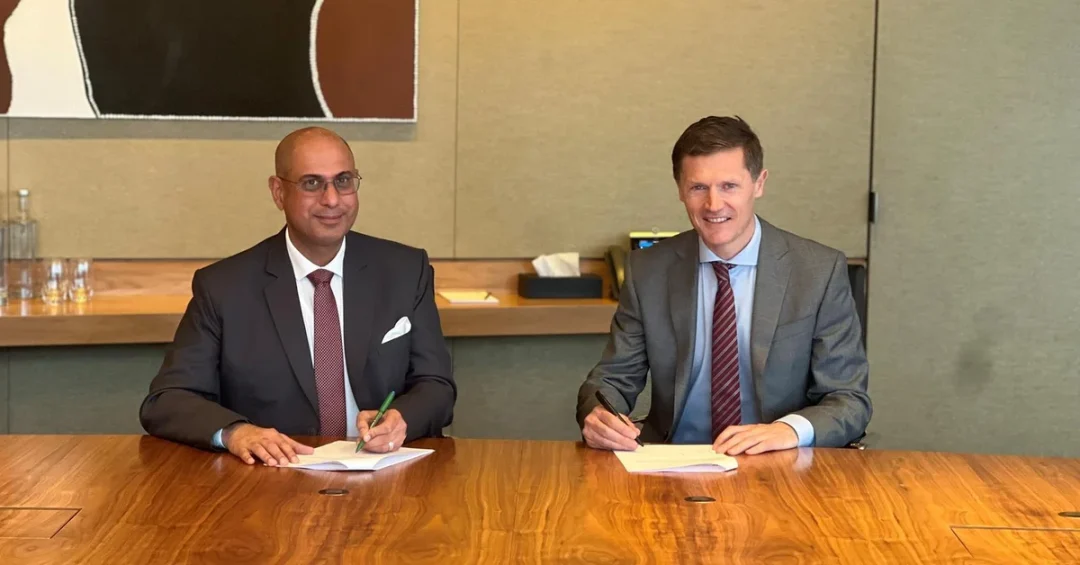
Saudi Export-Import Bank (Saudi EXIM) has signed two major agreements aimed at financing and insuring Saudi non-oil exports, reinforcing the Kingdom’s commitment to diversifying its economy and expanding its global trade footprint. The agreements, announced on May 30, 2024, include a $500 million credit facility with Macquarie Group and an insurance framework with Allianz International Insurance Group, both designed to enhance the competitiveness of Saudi products in international markets and support the goals of Saudi Vision 2030.
Context and Background
Saudi EXIM, established in 2020, is a key institution under Saudi Arabia’s Vision 2030 economic diversification strategy. Its mandate is to boost non-oil exports by providing financing, guarantees, and export credit insurance. The agreements come as Saudi Arabia accelerates efforts to increase non-oil exports to 50% of non-oil GDP by 2030. The partnership with Macquarie Group, a global leader in asset and commodity management, and Allianz, a major insurance provider, underscores Saudi EXIM’s strategy to collaborate with international financial institutions to mitigate risks and open new markets for Saudi businesses.
Key Details
The term sheet with Macquarie Group, signed in London by Saudi EXIM CEO Saad bin Abdulaziz AlKhalab and Macquarie Group’s regional CEO for Europe, the Middle East, and Africa, Paul Plewman, provides credit facilities worth $500 million over three years. This facility will support Macquarie’s purchases of Saudi goods and services, connecting Saudi exporters with 156 markets worldwide. Separately, the framework agreement with Allianz International Insurance Group aims to provide insurance solutions to reduce non-payment risks for export and import activities. This will facilitate the Saudi industrial sector’s access to global supply chains in over 50 countries. The agreements were signed on the sidelines of a workshop organized by Saudi EXIM in cooperation with Howden International Group at Lloyd’s Global Insurance Market, with participation from the Ministry of Industry and Mineral Resources, bringing together more than 100 representatives of international insurance companies.
Implications and Impact
These agreements are expected to significantly enhance the global reach of Saudi non-oil exports by providing Saudi exporters with greater access to financing and risk mitigation tools. The credit facility with Macquarie Group will enable Saudi businesses to tap into new markets, while the insurance framework with Allianz will reduce barriers to entry by protecting against non-payment risks. Together, they align with Saudi Arabia’s strategic objectives to diversify export destinations and increase the contribution of non-oil sectors to the national economy. The involvement of global players like Macquarie and Allianz signals growing international confidence in Saudi Arabia’s economic reforms and the potential of its non-oil sectors.
Vision 2030 Alignment
The agreements directly support Vision 2030’s goal of transforming Saudi Arabia into a diversified, innovation-driven economy. By strengthening non-oil exports, Saudi EXIM is helping to create a more resilient and sustainable economic base, reducing reliance on oil revenues. This initiative also enhances the Kingdom’s position as a global trade hub and reinforces its commitment to international partnerships that drive mutual prosperity. As Saudi Arabia continues to implement its ambitious reform agenda, such collaborations will play a crucial role in achieving the targets of the National Industrial Strategy and ensuring long-term economic growth.
20 Questions
Q1. What is Saudi EXIM?
A1. Saudi EXIM is the Saudi Export-Import Bank, established in 2020 to boost non-oil exports by providing financing, guarantees, and export credit insurance. It plays a key role in supporting Saudi Vision 2030’s economic diversification goals.
Q2. What agreements were signed by Saudi EXIM?
A2. Saudi EXIM signed a $500 million credit facility term sheet with Macquarie Group and a framework agreement with Allianz International Insurance Group to provide insurance solutions for export and import activities.
Q3. Who signed the agreement with Macquarie Group?
A3. The term sheet was signed by Saudi EXIM CEO Saad bin Abdulaziz AlKhalab and Macquarie Group’s regional CEO for Europe, the Middle East, and Africa, Paul Plewman, in London.
Q4. What is the value of the credit facility with Macquarie Group?
A4. The credit facility is worth $500 million over a period of three years. It aims to enhance Macquarie’s purchases of Saudi goods and services and connect Saudi exporters with global markets.
Q5. How many markets can Saudi exporters access through Macquarie Group?
A5. Through Macquarie Group, Saudi exporters can access 156 markets around the world. This significantly expands the reach of Saudi non-oil products and services.
Q6. What is the purpose of the Allianz agreement?
A6. The framework agreement with Allianz aims to provide insurance solutions to reduce the risks of non-payment for export and import activities, facilitating the Saudi industrial sector’s access to global supply chains.
Q7. How many countries will benefit from the Allianz insurance solutions?
A7. The insurance solutions will facilitate access to global supply chains in more than 50 countries around the world, helping Saudi exporters mitigate risks and expand their international presence.
Q8. Where were the agreements signed?
A8. The agreements were signed on the sidelines of a workshop organized by Saudi EXIM in cooperation with Howden International Group at Lloyd’s Global Insurance Market in London.
Q9. Who participated in the workshop?
A9. The workshop brought together more than 100 representatives of international insurance companies, along with participation from the Ministry of Industry and Mineral Resources.
Q10. What was the focus of the workshop?
A10. The workshop reviewed the role of Saudi non-oil exports in realizing the aspirations of the national strategy for industry in accordance with Saudi Vision 2030.
Q11. How do these agreements support Saudi Vision 2030?
A11. They support Vision 2030 by enhancing non-oil exports, diversifying the economy, and reducing dependence on oil revenues, aligning with the goal of increasing non-oil exports to 50% of non-oil GDP.
Q12. What is the significance of partnering with Macquarie Group?
A12. Macquarie Group is a global leader in asset and commodity management. Partnering with them provides Saudi exporters with access to extensive international markets and credit facilities.
Q13. Why is the Allianz partnership important for Saudi exporters?
A13. Allianz International Insurance Group is a major global insurer. Its insurance solutions reduce non-payment risks, making it easier for Saudi exporters to enter new markets and supply chains.
Q14. What role does Saudi EXIM play in the national industrial strategy?
A14. Saudi EXIM provides financial and insurance services that enable Saudi industries to compete globally, supporting the National Industrial Strategy’s objectives under Vision 2030.
Q15. How will the credit facility with Macquarie benefit Saudi exporters?
A15. The credit facility will enable Macquarie to purchase more Saudi goods and services, thereby increasing demand for Saudi exports and connecting exporters with 156 global markets.
Q16. What are the risks that the Allianz agreement mitigates?
A16. The agreement mitigates risks of non-payment for export and import activities, providing financial security and encouraging Saudi businesses to explore new international opportunities.
Q17. What is the expected impact on Saudi non-oil exports?
A17. The agreements are expected to boost Saudi non-oil exports by providing access to financing and insurance, reducing barriers, and enhancing the competitiveness of Saudi products in global markets.
Q18. How does this align with Saudi Arabia’s economic diversification goals?
A18. By promoting non-oil exports, these agreements help diversify the economy away from oil, creating a more resilient and sustainable economic base in line with Vision 2030.
Q19. What is the role of the Ministry of Industry and Mineral Resources?
A19. The Ministry participated in the workshop, highlighting its support for industrial exports and its collaboration with Saudi EXIM to advance the National Industrial Strategy.
Q20. What does this mean for Saudi Arabia’s global trade position?
A20. These agreements strengthen Saudi Arabia’s global trade position by expanding market access, enhancing export financing, and building international partnerships that promote Saudi non-oil products worldwide.
Reader Feedback
We value your thoughts. Please share your feedback on this article.
Your feedback helps us improve our coverage.