


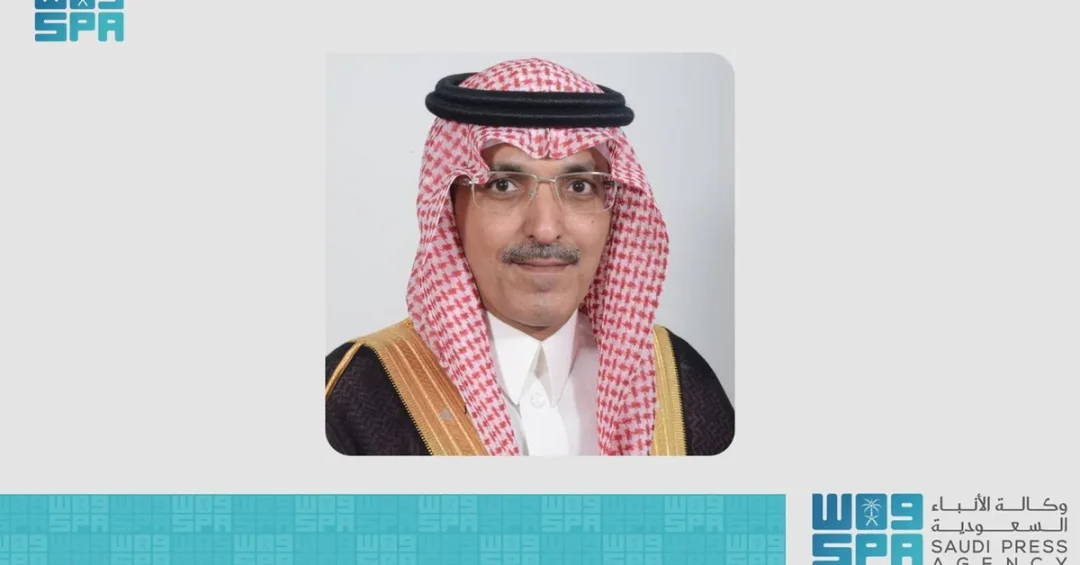
Saudi Arabia’s Minister of Finance, Mohammed Al-Jadaan, has reaffirmed the Kingdom’s commitment to multilateral cooperation in achieving the Sustainable Development Goals (SDGs), leveraging its influential membership in the G20. In a statement to the Saudi Press Agency (SPA) ahead of the G20 Leaders’ Summit under Brazil’s presidency, Al-Jadaan underscored Saudi Arabia’s dedication to bolstering global economic stability and contributing to solutions for shared challenges, particularly those facing developing and low-income nations. The minister’s remarks highlight the Kingdom’s active role in shaping international economic policies and its readiness to share the lessons of its rapid transformation under Vision 2030 with the world.
As the world’s leading economies prepare to convene, Saudi Arabia’s participation signals its growing stature as a bridge between developed and developing nations. The Kingdom’s engagement in the G20 is not merely symbolic; it reflects a strategic priority to foster inclusive growth, food security, and sustainable development across economic, social, and environmental dimensions. With the global community facing interconnected crises—from climate change to economic inequality—Saudi Arabia’s voice at the table is more crucial than ever. How can multilateral action be accelerated to meet the 2030 deadline for the SDGs? The Kingdom’s proactive stance offers a compelling answer.
Context and Background: Saudi Arabia’s Role in the G20
Saudi Arabia has been a member of the G20 since its inception, using the platform to advocate for policies that promote global economic stability and development. The Kingdom’s membership is a cornerstone of its international economic diplomacy, allowing it to influence decisions on issues ranging from financial regulation to sustainable development. In his statement to SPA, Minister Al-Jadaan emphasized that Saudi Arabia aims to draw on the experiences of G20 nations in various domains, given their status as the world’s leading economies. This exchange of knowledge is mutual: the Kingdom shares its own insights from Vision 2030, its ambitious national transformation program.
Under Vision 2030, Saudi Arabia has embarked on a historic economic diversification journey, reducing its reliance on oil and fostering new sectors such as tourism, technology, and renewable energy. These efforts align closely with the SDGs, particularly those related to decent work, economic growth, and sustainable cities. The minister pointed out that many G20 members aspire to achieve similar diversification and sustainable development, making Saudi Arabia’s experience a valuable reference. By participating actively in the G20, the Kingdom reinforces its regional and global standing, showcasing the strength of its economy as one of the fastest-growing globally. Isn’t it remarkable how a nation’s domestic reforms can inspire international progress?
The upcoming G20 Leaders’ Summit in Brazil, held under the slogan “Building a Just World and a Sustainable Planet,” focuses on three priority areas: addressing hunger and poverty, reforming global governance, and fostering sustainable development. Minister Al-Jadaan commended Brazil’s presidency for its diligent execution of the agenda, noting that these priorities align with the G20’s commitment to advancing multilateralism, ensuring food security, and promoting sustainable development. Saudi Arabia’s support for these goals reflects its own national priorities and its belief in collective action to tackle global challenges.
Key Details: Saudi Arabia’s Contributions and Priorities
At the heart of Saudi Arabia’s engagement in the G20 is a commitment to multilateralism—the idea that global problems require global solutions. Minister Al-Jadaan highlighted the Kingdom’s dedication to bolstering global economic stability and contributing to policies that address the shared challenges of developing and low-income nations. This includes efforts to reform international financial institutions, enhance debt sustainability, and mobilize resources for development. Saudi Arabia’s own development trajectory, marked by significant investments in infrastructure, education, and healthcare, provides a template that other nations can adapt to their contexts.
The minister also reaffirmed the efforts of Saudi teams engaged in the G20 to share insights from the Kingdom’s rapid economic transformation. These teams work across various G20 working groups, from finance and trade to employment and anti-corruption. Their contributions help shape the global agenda while ensuring that the perspectives of developing countries are heard. For instance, Saudi Arabia has been a vocal advocate for digital economy policies that bridge the digital divide and for energy transition strategies that balance environmental sustainability with economic growth. How can these efforts be scaled up to benefit more nations? The Kingdom’s proactive approach suggests that knowledge-sharing is key.
Moreover, Saudi Arabia’s role in the G20 extends beyond economic matters. The Kingdom has used the platform to promote cultural exchange, women’s empowerment, and youth engagement—all integral to the SDGs. In line with Vision 2030, Saudi Arabia has increased women’s participation in the workforce, invested in renewable energy projects, and launched ambitious initiatives like the Saudi Green Initiative. These domestic achievements lend credibility to its international advocacy, demonstrating that sustainable development is achievable even in challenging contexts. The minister’s remarks underscore that Saudi Arabia is not just a participant but a partner in shaping a more prosperous and equitable world.
International and Regional Impact: Building Bridges and Fostering Cooperation
Saudi Arabia’s active engagement in the G20 has significant implications for international and regional cooperation. By championing the needs of developing and low-income countries, the Kingdom positions itself as a bridge between the Global North and South. This role is particularly important as the world grapples with post-pandemic recovery, rising inflation, and geopolitical tensions. Minister Al-Jadaan’s emphasis on multilateral action resonates with many nations that seek a more inclusive and representative global governance system. The Kingdom’s ability to convene diverse stakeholders and facilitate dialogue is a testament to its diplomatic weight.
Regionally, Saudi Arabia’s leadership in the G20 reinforces its status as a pivotal player in the Middle East and beyond. The Kingdom’s economic reforms and Vision 2030 projects have attracted global attention and investment, creating opportunities for neighboring countries to benefit through trade and partnerships. For example, the NEOM project and the Red Sea development are not only national endeavors but also regional catalysts for innovation and tourism. By sharing its experiences at the G20, Saudi Arabia helps other countries in the region and the developing world chart their own paths to sustainable development. Could this model of South-South cooperation become a blueprint for others? The Kingdom’s track record suggests it is already happening.
Economic and Strategic Significance: Showcasing a Transforming Economy
Saudi Arabia’s participation in the G20 is also an opportunity to showcase its economic transformation and attract further investment. Under Vision 2030, the Kingdom has achieved remarkable milestones: non-oil revenue has surged, the private sector is expanding, and major projects are underway. Minister Al-Jadaan noted that Saudi Arabia’s economy is one of the fastest-growing globally, a fact that underscores the success of its diversification strategy. This economic strength gives the Kingdom credibility when advocating for policies that promote growth and stability worldwide. It also demonstrates that Saudi Arabia is a reliable partner for trade and investment.
Strategically, the Kingdom’s G20 engagement aligns with its long-term goal of becoming a global hub for business, tourism, and innovation. By participating in discussions on global governance reform, Saudi Arabia can help shape rules that benefit emerging economies. The minister’s statement highlighted the Kingdom’s eagerness to participate in global forums to solidify its pivotal role in the international economic and financial landscape. This is not just about influence; it’s about ensuring that the global system works for everyone, including the most vulnerable. Isn’t it in everyone’s interest to have a stable and inclusive global economy? Saudi Arabia’s actions suggest it believes so.
Vision 2030 Alignment: A Blueprint for Sustainable Development
Saudi Arabia’s efforts at the G20 are deeply intertwined with Vision 2030, the Kingdom’s roadmap for economic and social transformation. Vision 2030 aims to diversify the economy, empower citizens, and create a vibrant society—goals that mirror the SDGs. By sharing its experiences, Saudi Arabia contributes to global efforts while also learning from other nations. The minister’s remarks about drawing on G20 experiences reflect a two-way exchange that enriches both the Kingdom and its partners. This collaborative spirit is at the heart of Vision 2030, which emphasizes openness and global engagement.
As the G20 Summit approaches, Saudi Arabia stands ready to play a constructive role in advancing the agenda of “Building a Just World and a Sustainable Planet.” The Kingdom’s commitment to multilateralism, food security, and sustainable development is unwavering. Through its active participation, Saudi Arabia not only showcases its own progress but also helps build a more resilient and equitable world. In doing so, it reinforces the vision of its leadership: a Kingdom that is a force for good, both regionally and globally. The road to 2030 is a shared journey, and Saudi Arabia is determined to travel it in partnership with the international community.
20 Questions
Q1. What did Saudi Arabia’s Finance Minister say about the G20?
A1. Minister Mohammed Al-Jadaan emphasized Saudi Arabia’s dedication to multilateral cooperation to achieve sustainable development goals through its G20 membership, highlighting the Kingdom’s commitment to global economic stability and support for developing nations.
Q2. When and where did the minister make these remarks?
A2. He made the statement to the Saudi Press Agency (SPA) in Riyadh on November 17, 2024, ahead of the G20 Leaders’ Summit under Brazil’s presidency.
Q3. What are the three focus areas of Brazil’s G20 presidency?
A3. The focus areas are addressing hunger and poverty, reforming global governance, and fostering sustainable development across economic, social, and environmental dimensions, under the slogan “Building a Just World and a Sustainable Planet.”
Q4. How does Saudi Arabia’s Vision 2030 align with the G20 agenda?
A4. Vision 2030’s goals of economic diversification, sustainable development, and social empowerment mirror the G20’s priorities, allowing Saudi Arabia to share valuable lessons and learn from other nations.
Q5. What role do Saudi teams play in the G20?
A5. Saudi teams participate in various G20 working groups, sharing insights from the Kingdom’s rapid economic transformation and contributing to policies on finance, trade, employment, and anti-corruption.
Q6. Why is Saudi Arabia’s membership in the G20 important?
A6. It allows the Kingdom to influence global economic policies, advocate for developing nations, and showcase its own economic reforms, reinforcing its regional and global standing.
Q7. How does Saudi Arabia support developing and low-income countries?
A7. Through the G20, Saudi Arabia advocates for policies that bolster global economic stability, address debt sustainability, and mobilize resources for development, while sharing its own transformation experience.
Q8. What is the significance of the G20 Leaders’ Summit for Saudi Arabia?
A8. It is a platform to reinforce its pivotal role in the international economic and financial landscape, demonstrate the strength of its economy, and contribute to global solutions.
Q9. How does Saudi Arabia’s economic growth compare globally?
A9. Saudi Arabia’s economy is one of the fastest-growing globally, a fact highlighted by Minister Al-Jadaan, reflecting the success of Vision 2030’s diversification efforts.
Q10. What are some examples of Saudi Arabia’s sustainable development initiatives?
A10. Initiatives include the Saudi Green Initiative, NEOM, the Red Sea Project, and increased women’s workforce participation, all aligning with the SDGs and Vision 2030.
Q11. How does Saudi Arabia promote multilateralism?
A11. By actively engaging in global forums like the G20, advocating for inclusive governance, and supporting policies that address shared challenges such as food security and climate change.
Q12. What did the minister say about Brazil’s presidency?
A12. He commended Brazil for its diligent execution of the G20 agenda, noting that its focus areas align with the group’s commitment to multilateralism, food security, and sustainable development.
Q13. How does Saudi Arabia’s G20 participation benefit its economy?
A13. It enhances the Kingdom’s attractiveness to investors, fosters trade partnerships, and allows it to shape global economic rules that benefit emerging economies.
Q14. What is the significance of sharing Saudi Arabia’s transformation experience?
A14. It provides valuable lessons for other nations pursuing sustainable development and economic diversification, while also learning from their experiences, fostering mutual growth.
Q15. How does Saudi Arabia address food security in the G20?
A15. Saudi Arabia supports G20 initiatives on food security, sharing its own strategies for agricultural sustainability and supply chain resilience, and advocating for global cooperation.
Q16. What are the expected outcomes of the G20 Summit for Saudi Arabia?
A16. Strengthened partnerships, enhanced global standing, and contributions to policies that promote sustainable development and economic stability, benefiting both the Kingdom and the world.
Q17. How does Saudi Arabia’s G20 role reflect its regional leadership?
A17. It demonstrates the Kingdom’s ability to bridge divides, represent regional interests, and drive initiatives that benefit the Middle East and beyond, reinforcing its leadership status.
Q18. What is the link between Vision 2030 and the SDGs?
A18. Vision 2030’s economic, social, and environmental goals closely align with the SDGs, making Saudi Arabia’s progress a model for sustainable development globally.
Q19. How can other countries learn from Saudi Arabia’s Vision 2030?
A19. By studying the Kingdom’s integrated approach to diversification, digital transformation, and social reform, and adapting these strategies to their own contexts through G20 knowledge exchange.
Q20. What is Saudi Arabia’s ultimate goal in the G20?
A20. To contribute to a just and sustainable world, ensure global economic stability, and solidify its role as a pivotal player in international economic and financial affairs, in line with Vision 2030.
Reader Feedback
We value your thoughts. Please share your feedback on this article.
Your feedback helps us improve our coverage.
Related articles
 Riyadh to Host International Dates Conference and Exhibition
 Saudi Ministry Empowers 150 Factories for Global Quality
 Mawani Adds Emirates Shipping Line’s EJBS Service to Jubail Port
 ICD Joins COP29 Climate Finance Session in Baku
 72 Saudi Companies to Explore Investment in Poland and Slovakia
 Commerce Ministry Reports 68% Surge in Company Records