


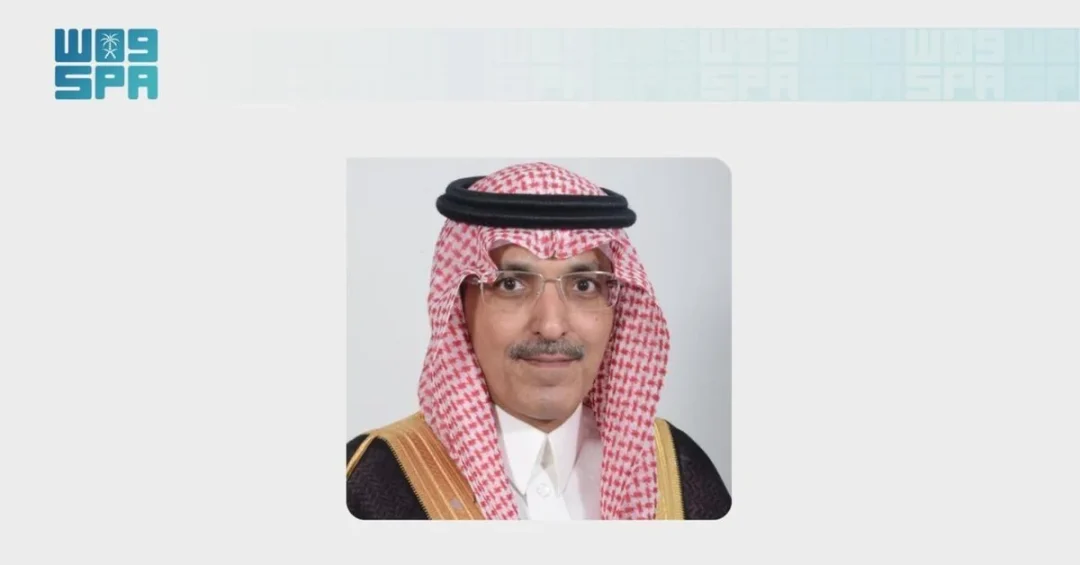
Minister of Finance Mohammed Aljadaan will lead Saudi Arabia’s delegation to the 2026 Annual Meetings of the International Monetary Fund (IMF) and World Bank Group (WBG) in Bangkok, Thailand, from October 12 to 17, 2026, according to an official announcement carried by the Saudi Press Agency. The high-level delegation will include Governor of the Saudi Central Bank (SAMA) Ayman Alsayari; Deputy Chair of the International Monetary and Financial Committee (IMFC) Dr. Ryadh Alkhareif; Deputy Minister of Finance for International Relations Khalid Bawazier; CEO of the Saudi Fund for Development (SFD) Sultan Almarshad; CEO of the National Debt Management Center (NDMC) Hani Almedaini; and experts from the Ministry of Finance, SAMA, SFD, NDMC, and the Zakat, Tax and Customs Authority (ZATCA). The announcement, issued through official Saudi channels, underscores the Kingdom’s continued engagement in shaping global economic policy dialogue at the highest levels.
How does a nation’s presence at a global financial forum translate into tangible benefits for its people and its partners? Saudi Arabia’s participation in these meetings reflects a sustained commitment to international economic cooperation, responsible fiscal stewardship, and the advancement of policies that support sustainable growth. The Annual Meetings bring together finance ministers, central bank governors, senior officials from international organizations, private sector executives, representatives from civil society organizations, and academics to discuss the global economy, sustainable development, poverty eradication, and other pressing economic and financial topics. Saudi Arabia’s delegation is positioned not merely to observe these discussions but to contribute actively to their direction and outcomes.
Context and Background
Why do the IMF and World Bank Annual Meetings continue to serve as the preeminent venue for global economic governance? The meetings, held each autumn, convene the world’s leading financial authorities to assess economic conditions, coordinate policy responses, and set priorities for international financial institutions. For Saudi Arabia, participation is a longstanding tradition rooted in its role as a major energy exporter, a G20 member, and a growing source of development finance through institutions such as the Saudi Fund for Development. The Kingdom’s engagement reflects its recognition that economic stability is a shared global responsibility requiring collective action and consistent dialogue.
The composition of the Saudi delegation for 2026 is notable for its breadth and seniority. The inclusion of the Governor of SAMA, the CEO of the NDMC, and the CEO of the SFD alongside senior Ministry of Finance officials demonstrates a whole-of-government approach that connects fiscal policy, monetary stability, debt management, and development assistance. Dr. Ryadh Alkhareif’s role as Deputy Chair of the IMFC adds another layer of Saudi influence, placing a senior Saudi official at the center of the committee that provides strategic direction to the IMF’s work. This integrated representation enables the Kingdom to speak with one voice across multiple policy tracks simultaneously.
Thailand’s role as host for the 2026 meetings also carries symbolic and practical significance. Bangkok, a dynamic economic hub in Southeast Asia, provides a bridge between the Middle East and the fast-growing economies of Asia. Saudi Arabia has deepened its ties with Asian partners in recent years through trade, investment, and energy cooperation, and the Bangkok venue offers opportunities for bilateral engagements on the margins of the formal program. The meetings therefore serve as both a multilateral platform and a setting for strengthening bilateral economic relationships.
Key Details
What specific sessions will define Saudi Arabia’s agenda at the 2026 Annual Meetings? Minister Aljadaan is scheduled to participate in the IMF and Gulf Cooperation Council (GCC) High-Level Seminar, a gathering that brings together finance ministers from the six GCC states with senior IMF leadership to discuss regional economic developments and policy coordination. He will also join the IMF Managing Director’s meeting with the Middle East, North Africa, Afghanistan and Pakistan (MENAAP) group, a forum focused on the economic challenges and opportunities facing a diverse and strategically important region. In addition, the minister will take part in the Arab Governors’ meeting with the President of the World Bank Group, where Arab finance ministers and central bank governors exchange views on development priorities and the WBG’s role in supporting member countries.
A central element of the Saudi delegation’s agenda is the Third G20 Finance Ministers and Central Bank Governors (FMCBG) Meeting, held under the U.S. Presidency of the G20. Both Minister Aljadaan and Governor Alsayari will participate in these discussions, which will focus on key developments in the global economy, emerging challenges, and ways to strengthen international economic cooperation. The G20 FMCBG track is where the world’s largest economies coordinate fiscal and monetary responses to shared challenges, and Saudi Arabia’s active participation reflects its standing as a leading G20 member with a stake in global financial stability.
Minister Aljadaan will chair the IMFC meeting, a responsibility that places him at the helm of the IMF’s principal policy advisory committee. During this session, members will exchange views on developments in the global economy, including growth prospects and emerging risks. Discussions will cover global economic policy priorities and the IMF’s role in addressing these challenges through financial assistance, advice, and capacity development for its members. Chairing the IMFC is a significant honor and responsibility that highlights Saudi Arabia’s reputation for constructive engagement and its ability to build consensus among diverse member states.
Beyond the IMFC, the minister of finance will participate in the World Bank Group Governor’s Development Committee meeting. This session will address the latest updates in the WBG’s development strategies, including its role in helping to create jobs as a key economic driver, enabling the private sector, and supporting countries in reforming policies that attract investments and promote economic growth. The Development Committee’s work aligns closely with Saudi Arabia’s own domestic priorities, particularly the job creation and private sector empowerment goals at the heart of Vision 2030.
International and Regional Impact
How does Saudi Arabia’s participation in these meetings influence outcomes beyond its own borders? The Kingdom’s role in the IMFC, the G20 FMCBG, and the Development Committee gives it a platform to advocate for policies that support emerging markets, developing economies, and regions facing structural challenges. Saudi Arabia has consistently used its international positions to encourage balanced, growth-oriented policies that recognize the varying circumstances of different economies. Its voice carries weight not only because of its economic size but also because of its track record of responsible fiscal management and its growing role as a provider of development assistance through the SFD.
At the regional level, the GCC High-Level Seminar and the MENAAP meeting provide opportunities to address challenges specific to the Middle East and its neighbors. These include economic diversification, youth employment, infrastructure investment, and the management of external shocks. Saudi Arabia’s experience in pursuing large-scale economic transformation under Vision 2030 offers valuable lessons for regional peers, and its participation in these forums helps to shape a collective regional agenda that prioritizes stability, growth, and opportunity.
Economic and Strategic Significance
What does Saudi Arabia’s leadership in global financial discussions signal about its economic trajectory? The Kingdom’s participation at the highest levels of the IMF and World Bank Group reflects an economy that has diversified significantly while retaining its core strengths. Saudi Arabia’s fiscal policies, managed through the Ministry of Finance, and its monetary framework, overseen by SAMA, have maintained stability through periods of global volatility. The NDMC’s role in managing the Kingdom’s debt profile and the SFD’s development finance activities further demonstrate the breadth of Saudi Arabia’s financial ecosystem and its integration with global markets.
The strategic significance of these meetings extends to the relationships built and reinforced on the sidelines. Bilateral meetings between Saudi officials and their counterparts from Asia, Europe, the Americas, and Africa can lead to investment agreements, trade partnerships, and collaborative development projects. For international audiences, Saudi Arabia’s active presence at the Annual Meetings reinforces the message that the Kingdom is open for business, committed to multilateral cooperation, and serious about contributing to a stable and prosperous global economy.
Vision 2030 Alignment
How does Saudi Arabia’s engagement with the IMF and World Bank Group connect to the broader goals of Vision 2030? Vision 2030, the Kingdom’s comprehensive transformation strategy, seeks to diversify the economy, empower the private sector, create jobs for Saudi citizens, and position the Kingdom as a global investment and logistics hub. Each of these objectives is reinforced by Saudi Arabia’s participation in international financial institutions. The Development Committee’s focus on job creation and private sector enablement mirrors Vision 2030’s economic pillars, while the IMFC’s discussions on global growth prospects and policy priorities align with the Kingdom’s interest in a stable international environment conducive to trade and investment.
The delegation’s composition, bringing together the Ministry of Finance, SAMA, the SFD, the NDMC, and ZATCA, reflects the integrated approach that Vision 2030 demands. By coordinating fiscal, monetary, development, and revenue administration functions under a unified international engagement strategy, Saudi Arabia demonstrates the institutional maturity and policy coherence that underpin its transformation. As the Kingdom continues to implement Vision 2030, its role in global economic governance will remain a vital component of its international identity and a testament to its responsible and forward-looking leadership.
20 Questions
Q1. Who is leading Saudi Arabia’s delegation to the 2026 IMF-World Bank Annual Meetings?
A1. Minister of Finance Mohammed Aljadaan is leading the delegation, according to an official announcement carried by the Saudi Press Agency.
Q2. Where and when are the 2026 Annual Meetings being held?
A2. The meetings are being held in Bangkok, Thailand, from October 12 to 17, 2026, bringing together global financial leaders.
Q3. Which Saudi institutions are represented in the delegation?
A3. The delegation includes the Ministry of Finance, Saudi Central Bank (SAMA), Saudi Fund for Development, National Debt Management Center, and the Zakat, Tax and Customs Authority.
Q4. Who is the Governor of the Saudi Central Bank participating in the meetings?
A4. Ayman Alsayari, Governor of the Saudi Central Bank (SAMA), is part of the delegation and will participate in key G20 FMCBG discussions.
Q5. What role does Dr. Ryadh Alkhareif hold in the IMF framework?
A5. Dr. Ryadh Alkhareif serves as Deputy Chair of the International Monetary and Financial Committee (IMFC), a key IMF policy advisory body.
Q6. What is the IMFC and why is Saudi Arabia’s role significant?
A6. The IMFC provides strategic direction to the IMF. Minister Aljadaan will chair its meeting, highlighting Saudi Arabia’s leadership in global financial policy.
Q7. What is the Third G20 FMCBG Meeting and who participates?
A7. It is a G20 Finance Ministers and Central Bank Governors meeting under the U.S. Presidency. Both Minister Aljadaan and Governor Alsayari will participate.
Q8. What topics will the G20 FMCBG Meeting address?
A8. Discussions will focus on key developments in the global economy, emerging challenges, and ways to strengthen international economic cooperation.
Q9. What is the IMF and GCC High-Level Seminar?
A9. It is a gathering of GCC finance ministers with IMF leadership to discuss regional economic developments and policy coordination.
Q10. What is the MENAAP meeting at the IMF Annual Meetings?
A10. The MENAAP meeting brings together the IMF Managing Director and officials from the Middle East, North Africa, Afghanistan and Pakistan to discuss regional economic issues.
Q11. What is the WBG Governor’s Development Committee meeting?
A11. It is a World Bank Group session discussing development strategies, including job creation, private sector enablement, and policy reforms to attract investment.
Q12. What is the role of the Saudi Fund for Development in the delegation?
A12. The SFD, led by CEO Sultan Almarshad, represents Saudi Arabia’s development finance activities and engages with international development partners.
Q13. What is the National Debt Management Center’s role in the delegation?
A13. The NDMC, led by CEO Hani Almedaini, manages Saudi Arabia’s debt profile and participates in discussions on fiscal and debt sustainability.
Q14. What is the significance of Saudi Arabia chairing the IMFC meeting?
A14. Chairing the IMFC reflects Saudi Arabia’s reputation for constructive engagement and its ability to build consensus among diverse IMF member states.
Q15. What does the Annual Meetings platform bring together?
A15. It brings together finance ministers, central bankers, international organization officials, private sector executives, civil society representatives, and academics to discuss global economic issues.
Q16. How does Saudi Arabia’s participation benefit the Kingdom?
A16. It allows Saudi Arabia to contribute to global economic policy, build bilateral relationships, attract investment, and reinforce its role as a responsible international partner.
Q17. What is the connection between the meetings and Vision 2030?
A17. The meetings’ focus on job creation, private sector enablement, and economic growth aligns with Vision 2030’s goals of diversification and prosperity.
Q18. What is the role of ZATCA in the Saudi delegation?
A18. The Zakat, Tax and Customs Authority provides expertise on revenue administration and fiscal policy matters relevant to international financial discussions.
Q19. Why is Bangkok a significant venue for the 2026 Annual Meetings?
A19. Bangkok, as a dynamic Southeast Asian hub, provides opportunities for Saudi Arabia to strengthen ties with Asian partners on trade, investment, and energy cooperation.
Q20. What message does Saudi Arabia’s high-level participation send globally?
A20. It signals that Saudi Arabia is open for business, committed to multilateral cooperation, and serious about contributing to a stable and prosperous global economy.
Reader Feedback
We value your thoughts. Please share your feedback on this article.
Your feedback helps us improve our coverage.