


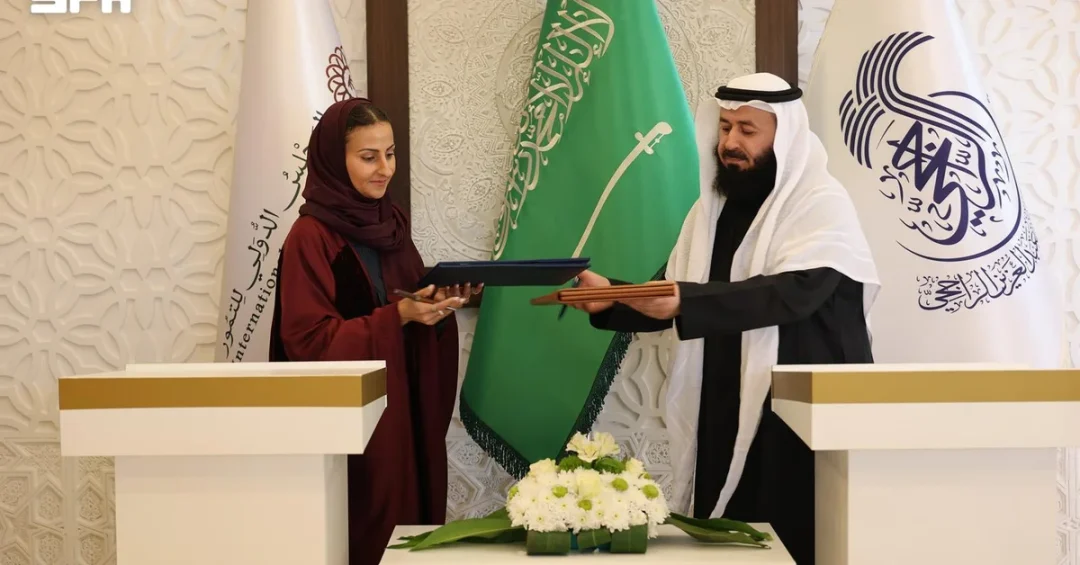
The International Dates Council (IDC) and the Sheikh Mohammed bin Abdulaziz Al-Rajhi Endowments signed a memorandum of understanding (MoU) on November 26, 2026, to cooperate in the palm and dates sector. The agreement was signed during a visit by IDC Executive Director Princess Sarah bint Bandar bin Abdulaziz, accompanied by a delegation from the council’s General Secretariat, to the endowments’ farm in Al-Kharj Governorate. Princess Sarah signed on behalf of the IDC, while Chief Executive Officer Abdulaziz bin Mohammed Al-Anzi signed for the endowments. The MoU establishes a framework for collaboration in areas of mutual interest, leveraging the endowments’ farm capabilities and exchanging expertise between the two entities. This partnership underscores Saudi Arabia’s commitment to advancing its agricultural sector and enhancing the global competitiveness of its dates industry.
The agreement comes at a time when Saudi Arabia is intensifying efforts to diversify its economy and promote sustainable agriculture under Vision 2030. The palm and dates sector holds cultural and economic significance in the Kingdom, and this collaboration aims to integrate modern practices with traditional knowledge. By joining forces, the IDC and the Al-Rajhi Endowments seek to foster innovation, research, and capacity-building, ultimately benefiting farmers and stakeholders across the value chain. How might this MoU serve as a model for other agricultural partnerships in the region? The initiative reflects a broader trend of public-private cooperation to achieve food security and economic resilience.
Context and Background
What drives the need for enhanced cooperation in the palm and dates sector? Saudi Arabia is one of the world’s largest producers of dates, with millions of palm trees yielding a variety of high-quality dates that are exported globally. The sector supports thousands of livelihoods and contributes significantly to the national economy. The International Dates Council, established to promote the dates industry internationally, has been at the forefront of efforts to modernize production, improve quality, and expand market access. Meanwhile, the Sheikh Mohammed bin Abdulaziz Al-Rajhi Endowments is a philanthropic organization with a focus on agricultural development and community welfare. Its farm in Al-Kharj Governorate serves as a hub for research and practical training, making it an ideal partner for the IDC.
The MoU signing follows a series of initiatives by Saudi Arabia to boost agricultural sustainability and innovation. The Kingdom has been investing in advanced irrigation systems, pest control, and post-harvest technologies to enhance date production. These efforts align with Vision 2030’s goals of economic diversification and food security. The partnership between the IDC and the endowments is expected to accelerate the adoption of best practices and facilitate knowledge transfer. It also highlights the role of philanthropy in supporting national development agendas. By combining the IDC’s global reach with the endowments’ on-ground expertise, the collaboration aims to create a multiplier effect that benefits the entire sector.
Key Details of the Memorandum
What specific areas of cooperation does the MoU cover? The agreement outlines a comprehensive framework that includes organizing field visits for IDC members and official guests to the endowments’ farm. These visits will provide firsthand exposure to modern agricultural techniques and successful practices. Additionally, the MoU facilitates hosting training programs and practical workshops aimed at skill development for farmers, technicians, and researchers. The two parties will also implement joint research and applied projects that address challenges facing the palm and dates sector, such as water scarcity, climate change, and market access.
Furthermore, the endowments are permitted to nominate qualified representatives to join the IDC’s technical and specialized committees. This inclusion ensures that the endowments’ perspectives and expertise are integrated into the council’s decision-making processes. The agreement also allows for hosting IDC events and activities at the endowments’ facilities, subject to mutual agreement. Capacity-building, knowledge exchange, and sharing of best practices are central to the MoU. By leveraging the endowments’ farm as a living laboratory, the partnership aims to test and scale innovative solutions. How will these activities translate into tangible benefits for the dates industry? The emphasis on practical collaboration suggests a results-oriented approach.
International and Regional Impact
How does this partnership resonate beyond Saudi Arabia’s borders? The International Dates Council serves as a platform for global cooperation, with member countries sharing a common interest in the dates sector. The MoU with the Al-Rajhi Endowments enhances the council’s ability to offer valuable resources and expertise to its members. It also positions Saudi Arabia as a leader in agricultural innovation and knowledge transfer. Regional countries with significant date production, such as Egypt, Iran, and Iraq, may look to this model as a blueprint for their own public-private collaborations. The agreement could stimulate similar initiatives across the Middle East and North Africa, fostering regional integration and shared prosperity.
On the international stage, the MoU contributes to the global discourse on sustainable agriculture and food security. The United Nations’ Sustainable Development Goals (SDGs) emphasize the need for resilient agricultural practices, and this partnership exemplifies such efforts. By promoting research and capacity-building, the IDC and the endowments are helping to address global challenges like climate change and resource scarcity. The collaboration also opens avenues for international donors and investors to engage with the dates sector, potentially unlocking new funding opportunities. What lessons can other sectors draw from this cooperative approach? The MoU demonstrates that strategic partnerships can amplify impact and drive collective progress.
Economic and Strategic Significance
What economic benefits are anticipated from this collaboration? The palm and dates sector is a vital component of Saudi Arabia’s non-oil economy, contributing to GDP, employment, and exports. By improving productivity and quality, the MoU aims to enhance the sector’s competitiveness in global markets. The endowments’ farm in Al-Kharj, with its focus on research and development, can serve as a catalyst for innovation that leads to higher yields and better disease management. Training programs will equip farmers with modern skills, enabling them to adopt sustainable practices and reduce post-harvest losses. These outcomes can increase incomes for farmers and strengthen rural economies.
Strategically, the partnership supports Saudi Arabia’s food security objectives by reducing reliance on imports and boosting domestic production. The Kingdom imports a significant portion of its food, and enhancing local date production contributes to self-sufficiency. Moreover, the dates industry has cultural and religious significance, particularly during Ramadan, making its development a matter of national pride. The MoU also aligns with the Public Investment Fund’s (PIF) strategy to invest in agriculture and food processing. By fostering innovation, the collaboration can attract private investment and create job opportunities for Saudi youth. How might this MoU influence the broader agricultural ecosystem? It sets a precedent for synergy between non-profit entities and international organizations.
Vision 2030 Alignment
How does this MoU align with Saudi Vision 2030? Vision 2030 aims to diversify the economy, reduce dependence on oil, and develop public service sectors such as agriculture. The partnership between the IDC and the Al-Rajhi Endowments directly supports these goals by promoting sustainable agricultural practices, enhancing food security, and fostering economic growth. It also reflects the Vision’s emphasis on empowering non-profit organizations and encouraging philanthropy to contribute to national development. The endowments’ role in providing expertise and facilities demonstrates the potential of the social sector to drive innovation. This collaboration is a testament to the Kingdom’s commitment to achieving the Vision’s objectives through multi-stakeholder partnerships.
Looking ahead, the MoU is expected to yield long-term benefits for the palm and dates sector and beyond. By integrating research, training, and knowledge exchange, it will help build a more resilient and productive industry. The partnership also enhances Saudi Arabia’s global standing as a leader in dates production and export. As the Kingdom continues to implement Vision 2030, such collaborations will be instrumental in achieving sustainable development. The IDC and the Al-Rajhi Endowments have set an example of how strategic alliances can drive progress and create lasting value. What does this mean for the future of Saudi agriculture? It signals a new era of innovation and cooperation that will benefit generations to come.
20 Questions
Q1. What is the International Dates Council?
A1. The International Dates Council is an international organization dedicated to promoting the palm and dates sector globally. It facilitates cooperation among member countries, supports research, and shares best practices to enhance production and sustainability.
Q2. Who signed the MoU on behalf of the IDC?
A2. Princess Sarah bint Bandar bin Abdulaziz, Executive Director of the IDC, signed the memorandum on behalf of the council. She led a delegation from the council’s General Secretariat to the endowments’ farm in Al-Kharj.
Q3. Who signed on behalf of the Al-Rajhi Endowments?
A3. Chief Executive Officer Abdulaziz bin Mohammed Al-Anzi signed on behalf of the Sheikh Mohammed bin Abdulaziz Al-Rajhi Endowments. He represented the organization in formalizing the partnership.
Q4. What is the main objective of the MoU?
A4. The MoU aims to establish a framework for cooperation in the palm and dates sector. It focuses on leveraging the endowments’ farm capabilities, exchanging expertise, and implementing joint projects for mutual benefit.
Q5. Where is the endowments’ farm located?
A5. The farm is located in Al-Kharj Governorate, Saudi Arabia. It serves as a center for agricultural research, training, and practical demonstrations, making it a valuable asset for the collaboration.
Q6. What areas of cooperation are included in the MoU?
A6. The MoU covers organizing field visits, hosting training programs and workshops, implementing research projects, exploring modern agricultural practices, and facilitating knowledge exchange. It also allows endowments’ representatives to join IDC committees.
Q7. How will the MoU benefit IDC members?
A7. IDC members will gain access to the endowments’ farm for field visits and training, enhancing their knowledge of modern practices. They will also benefit from joint research and the sharing of successful experiences.
Q8. What role will the endowments play in the partnership?
A8. The endowments will provide access to their farm, nominate representatives to IDC committees, host events, and contribute to capacity-building. They will actively participate in research and training initiatives.
Q9. How does this MoU support Saudi Vision 2030?
A9. The MoU aligns with Vision 2030 by promoting sustainable agriculture, food security, and economic diversification. It also encourages philanthropy and non-profit contributions to national development, a key Vision 2030 objective.
Q10. What is the significance of the palm and dates sector in Saudi Arabia?
A10. The sector is culturally and economically vital, providing employment and export revenue. Saudi dates are highly prized globally, and the industry supports rural communities and food security.
Q11. Will the MoU lead to new job opportunities?
A11. Yes, by enhancing skills and productivity, the MoU can stimulate job creation in agriculture, research, and related fields. It also supports entrepreneurship and small businesses in the dates value chain.
Q12. How will knowledge exchange be facilitated?
A12. Knowledge exchange will occur through training programs, workshops, field visits, and joint research. The endowments’ farm will serve as a hub for practical learning and demonstration of best practices.
Q13. Are there any environmental benefits from this collaboration?
A13. Yes, the MoU promotes sustainable agricultural practices, efficient water use, and climate-resilient farming. These efforts contribute to environmental conservation and responsible resource management.
Q14. What is the expected impact on date quality?
A14. By adopting modern techniques and research findings, the partnership aims to improve date quality, yield, and disease resistance. This can enhance market competitiveness and consumer satisfaction.
Q15. Will the MoU attract international investment?
A15. It may attract investment by showcasing innovation and sustainability in the dates sector. International investors seeking opportunities in agribusiness could be drawn to such collaborative initiatives.
Q16. How does this partnership benefit the Al-Rajhi Endowments?
A16. The endowments gain access to IDC’s global network, expertise, and platforms. They can expand their impact, fulfill their philanthropic mission, and contribute to national development goals.
Q17. What are the next steps after signing the MoU?
A17. The parties will develop an action plan, schedule activities, and designate focal points. Implementation will begin with joint programs and monitoring to ensure objectives are met.
Q18. Can other organizations join similar partnerships?
A18. Yes, the MoU serves as a model for collaboration. Other entities in agriculture and beyond can emulate this approach to drive innovation and sustainability through partnerships.
Q19. How will the MoU be monitored and evaluated?
A19. The IDC and the endowments will establish a joint committee to oversee implementation, track progress, and assess outcomes against agreed indicators for continuous improvement.
Q20. What is the long-term vision for the palm and dates sector?
A20. The long-term vision is to make Saudi Arabia a global leader in sustainable date production, innovation, and export. This MoU contributes to that goal by fostering cooperation and excellence.
Reader Feedback
We value your thoughts. Please share your feedback on this article.
Your feedback helps us improve our coverage.
Related articles
 Saudi GAFT Launches Anti-Circumvention Review on PVC Textiles
 Madinah Region Sees Growth in Vegetable and Date Production in 2025
 64 Projects Open for Feedback via Istitlaa Platform
 Gulf Coast Development Signs 18 Brokerage Agreements
 Seafood Fest Opens in Eastern Region
 Saudi Franchise Expo Draws over 800 Brands from 50 Countries to Jeddah