


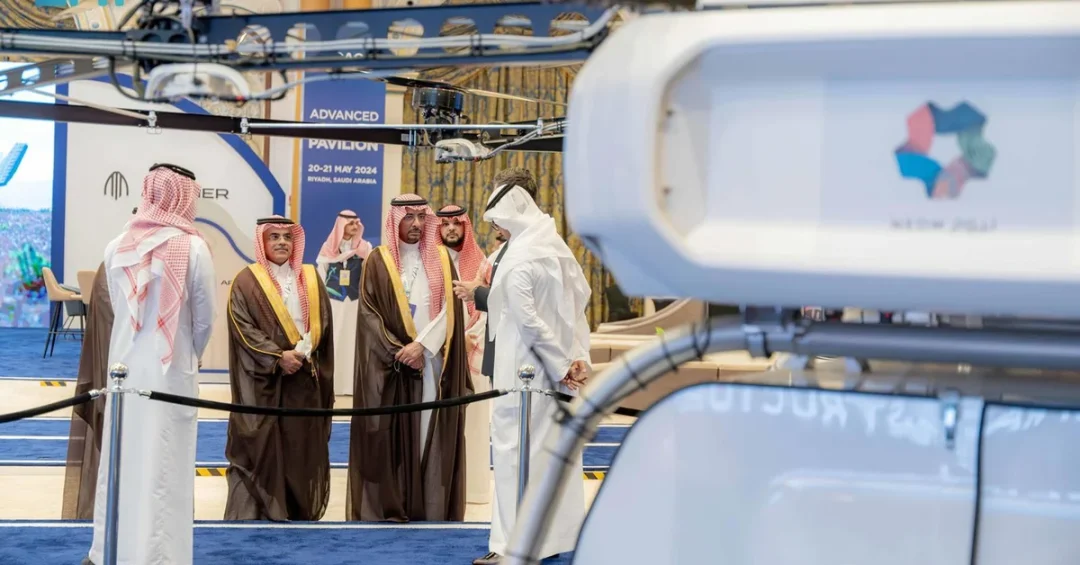
RIYADH — Saudi Arabia’s Minister of Industry and Mineral Resources, Bandar Al-Khorayef, met with top executives from global aviation leaders COMAC, Embraer, and Boeing during the Future Aviation Forum on Monday, exploring avenues for enhanced cooperation in the Kingdom’s rapidly growing aviation sector. The meeting, held on the sidelines of the event organized by the General Authority of Civil Aviation (GACA), focused on strengthening partnerships in manufacturing, technology transfer, and supply chain resilience.
Context and Background
The Future Aviation Forum, held in Riyadh, serves as a pivotal platform for global aviation stakeholders to discuss the industry’s future. This year’s edition attracted key players, reflecting Saudi Arabia’s strategic push to diversify its economy and position itself as a global aviation hub. The Kingdom’s Vision 2030 aims to transform the sector through increased connectivity, tourism, and industrial capability, with aviation as a core pillar.
Key Details
During the discussions, Al-Khorayef emphasized the Kingdom’s growing capabilities in aviation and addressed critical issues such as supply chain challenges, investment attraction, and the development and transfer of advanced technologies. The minister also toured the accompanying exhibition, where he received briefings on the latest innovations from companies like Airbus, Boeing, and Riyadh Air, highlighting the Kingdom’s focus on cutting-edge aviation solutions.
Implications and Impact
The engagement signals Saudi Arabia’s intent to deepen its industrial footprint in aviation, building on local manufacturing opportunities and partnerships with original equipment manufacturers (OEMs). This aligns with broader efforts to enhance supply chain resilience and position the Kingdom as a competitive player in the global aerospace value chain. The forum’s outcomes could spur new investments and technological collaborations, benefiting the region’s economic diversification.
20 Questions
Q1. Who met with aviation leaders at the Future Aviation Forum?
A1. Saudi Arabia’s Minister of Industry and Mineral Resources, Bandar Al-Khorayef, met with representatives from COMAC, Embraer, and Boeing at the forum.
Q2. What was the purpose of the meeting?
A2. The meeting aimed to explore cooperation opportunities in the aviation industry, focusing on manufacturing, technology, and supply chain resilience.
Q3. When did the meeting take place?
A3. The meeting occurred on Monday, May 20, 2024, during the Future Aviation Forum in Riyadh.
Q4. Where was the forum held?
A4. The forum took place in Riyadh, Saudi Arabia, at an unspecified venue within the city.
Q5. Which companies were represented?
A5. The aviation leaders represented COMAC, Embraer, and Boeing.
Q6. What aspects of the aviation industry were discussed?
A6. Discussions covered fostering stronger collaborations, improving supply chains, attracting investments, and developing and transferring advanced technologies.
Q7. What did the minister say about Saudi Arabia’s capabilities?
A7. He highlighted the Kingdom’s growing capabilities in the aviation sector, referencing its progress and potential.
Q8. How does this meeting align with Vision 2030?
A8. Vision 2030 seeks economic diversification and industrial growth; the meeting supports these goals by fostering partnerships in aviation.
Q9. What is the role of GACA in the forum?
A9. The General Authority of Civil Aviation organized the forum, serving as the host and regulator for civil aviation in Saudi Arabia.
Q10. What other companies were present at the exhibition?
A10. The exhibition included Airbus, Boeing, and Riyadh Air, among other leading aviation companies.
Q11. What did the minister receive briefings on?
A11. He received briefings on the latest advancements in aviation technology and related fields.
Q12. Why is the Future Aviation Forum significant?
A12. It is a key global platform for discussing the industry’s future, allowing Saudi Arabia to showcase its ambitions and forge partnerships.
Q13. What challenges were addressed in the talks?
A13. The talks addressed challenges in global supply chains, highlighting the need for resilience and efficiency.
Q14. How does this meeting benefit Saudi Arabia’s economy?
A14. It can attract investments, promote technology transfer, and contribute to the localization of aviation manufacturing, diversifying the economy.
Q15. What is the significance of involving COMAC?
A15. COMAC is a major Chinese aerospace manufacturer, and collaboration could open new markets and technological exchanges.
Q16. How might Embraer and Boeing cooperation impact the sector?
A16. Cooperation with these established OEMs can enhance Saudi Arabia’s access to advanced aircraft and manufacturing expertise.
Q17. What does the minister’s tour of the exhibition indicate?
A17. It indicates a hands-on approach to understanding the latest innovations and exploring potential areas for collaboration.
Q18. What is the role of Riyadh Air in the exhibition?
A18. Riyadh Air, a new Saudi carrier, showcased innovations, underlining its role in the Kingdom’s aviation future.
Q19. How will the outcomes of the forum be implemented?
A19. The outcomes will lead to follow-up discussions and agreements to translate the explored opportunities into concrete collaborations.
Q20. What is the overall message from the minister’s participation?
A20. The participation demonstrates Saudi Arabia’s commitment to becoming a global aviation hub, leveraging partnerships for industrial growth and Vision 2030.
Vision 2030 Alignment
This engagement underscores Saudi Arabia’s commitment to Vision 2030, specifically its goal to diversify the economy and develop world-class industrial capabilities. By fostering international partnerships in aviation, the Kingdom is building a foundation for a knowledge-based economy, creating high-value jobs, and enhancing its position as a global investment hub. The Future Aviation Forum is a stepping stone toward realizing the Vision’s ambitious targets for the aviation sector.
Reader Feedback
We value your thoughts. Please share your feedback on this article.
Your feedback helps us improve our coverage.