


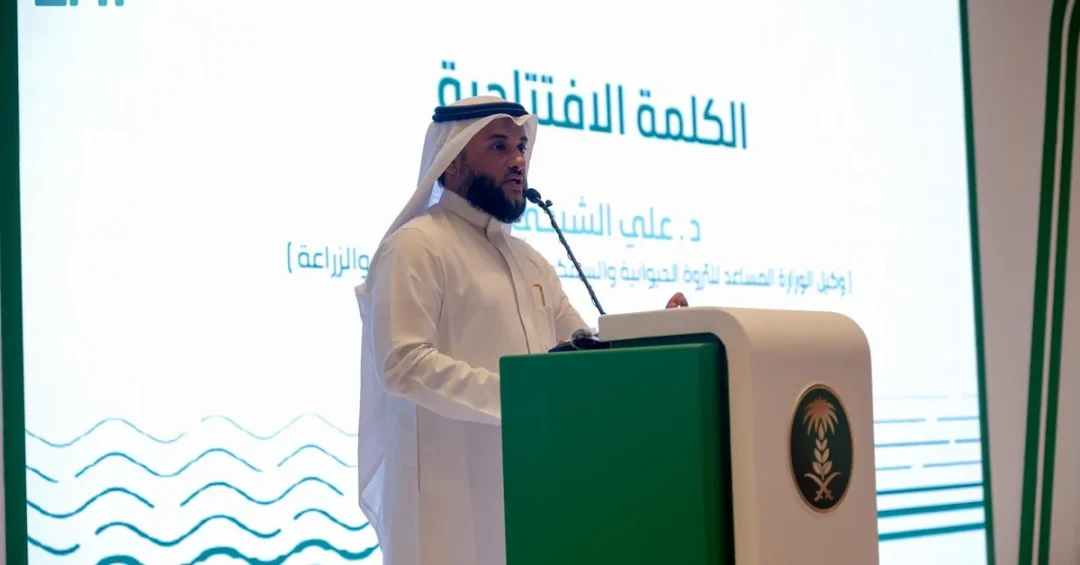
The Ministry of Environment, Water, and Agriculture oversaw the signing of 48 agreements to establish fish farming in inland waters, a major step in advancing the Kingdom’s aquaculture sector. The agreements, signed in Riyadh on September 10, 2024, between a range of companies and investment entities, aim to apply and localize best practices in the field. The announcement was made during a workshop titled “Aquaculture in Inland Waters in the Kingdom,” organized by the National Program for the Development of the Livestock and Fisheries Sector. The event brought together government officials, private sector investors, and industry professionals, underscoring Saudi Arabia’s commitment to sustainable food security and economic diversification.
Context and Background
Saudi Arabia has been actively working to develop its aquaculture sector as part of its broader strategy to enhance food security and reduce reliance on imports. The Ministry of Environment, Water, and Agriculture has prioritized fisheries as a key component of Vision 2030, recognizing the Kingdom’s competitive advantages in various regions. The National Program for the Development of the Livestock and Fisheries Sector plays a central role in implementing these initiatives, fostering partnerships and innovation. The signing of 48 agreements marks a significant milestone, reflecting the growing interest from both local and international investors in Saudi Arabia’s aquaculture potential. This effort aligns with global trends toward sustainable protein production and the Kingdom’s goal to become a leader in the sector.
Key Details
The agreements were signed during a workshop attended by Dr. Ali bin Mohammed Al-Shaikhi, Assistant Undersecretary for Animal and Fisheries Wealth, along with representatives from relevant government agencies and private sector investors. The workshop highlighted the importance of localizing best practices in fish farming, particularly in inland waters, which offer unique opportunities for sustainable production. In addition to the agreements, the ministry announced four key investment opportunities aimed at further developing the sector. These opportunities are designed to attract investment, encourage innovation, and support the growth of small and medium-sized enterprises. The ministry emphasized its commitment to providing a conducive environment for investors, including regulatory support and access to resources.
Implications and Impact
The establishment of these fish farming projects is expected to have far-reaching implications for Saudi Arabia’s economy and food security. By increasing domestic production of fish, the Kingdom can reduce its reliance on imports, create jobs, and stimulate rural development. The initiative also supports the diversification of the economy away from oil, a core objective of Vision 2030. Furthermore, the involvement of private sector investors signals confidence in the sector’s profitability and long-term viability. Regionally, Saudi Arabia’s advancements in aquaculture could position it as a model for other Middle Eastern countries seeking to enhance their food security. Internationally, the Kingdom’s efforts contribute to global sustainability goals by promoting responsible production practices.
Vision 2030 Alignment
This initiative is directly aligned with Saudi Arabia’s Vision 2030, which aims to diversify the economy, ensure food security, and promote sustainable development. The aquaculture sector is a key pillar of the National Transformation Program, with targets to increase domestic fish production and exports. By supporting investment opportunities and localizing best practices, the Ministry of Environment, Water, and Agriculture is driving progress toward these goals. The signing of 48 agreements demonstrates the Kingdom’s proactive approach to harnessing its natural resources and engaging the private sector in achieving shared prosperity. As Saudi Arabia continues to innovate and expand its aquaculture industry, it reinforces its role as a global leader in sustainable development and economic resilience.
20 Questions
Q1. What did the Ministry of Environment, Water, and Agriculture oversee?
A1. The ministry oversaw the signing of 48 agreements to establish fish farming in inland waters, as part of efforts to advance the aquaculture sector in the Kingdom.
Q2. When and where were the agreements signed?
A2. The agreements were signed on September 10, 2024, in Riyadh, during a workshop titled “Aquaculture in Inland Waters in the Kingdom.”
Q3. Who organized the workshop?
A3. The workshop was organized by the National Program for the Development of the Livestock and Fisheries Sector.
Q4. What is the goal of these agreements?
A4. The agreements aim to apply and localize best practices in fish farming and support sustainable investment opportunities in the aquaculture sector.
Q5. Who attended the workshop?
A5. Dr. Ali bin Mohammed Al-Shaikhi, Assistant Undersecretary for Animal and Fisheries Wealth, attended, along with government representatives, private sector investors, and professionals.
Q6. How many investment opportunities did the ministry provide?
A6. The ministry provided four key investment opportunities aimed at further developing the aquaculture sector.
Q7. Why is aquaculture important for Saudi Arabia?
A7. Aquaculture enhances food security, reduces import reliance, creates jobs, and supports economic diversification under Vision 2030.
Q8. What are inland waters?
A8. Inland waters refer to freshwater bodies such as lakes, rivers, and reservoirs where fish farming can be established.
Q9. How does this initiative align with Vision 2030?
A9. It aligns by promoting economic diversification, food security, and sustainable development, key pillars of Vision 2030.
Q10. What role does the private sector play?
A10. The private sector invests in and operates fish farming projects, driving innovation and efficiency in the sector.
Q11. What are the expected economic benefits?
A11. Benefits include increased domestic production, job creation, rural development, and reduced reliance on fish imports.
Q12. How will local communities benefit?
A12. Local communities will gain employment opportunities, infrastructure development, and access to locally produced fish.
Q13. What is the National Program for the Development of the Livestock and Fisheries Sector?
A13. It is a government program aimed at developing the livestock and fisheries sectors to achieve food security and economic growth.
Q14. What types of fish will be farmed?
A14. The agreements focus on fish species suitable for inland waters, though specific species were not disclosed.
Q15. How does this impact Saudi Arabia’s food security?
A15. It boosts domestic fish production, reducing dependence on imports and ensuring a stable food supply.
Q16. What support is offered to investors?
A16. The ministry offers regulatory support, resources, and investment opportunities to encourage sector growth.
Q17. How does this initiative affect the environment?
A17. It promotes sustainable practices, ensuring fish farming is conducted responsibly without harming ecosystems.
Q18. What are the four investment opportunities?
A18. They are specific projects designed to attract investment in inland fish farming, though details were not provided.
Q19. How does this compare to global aquaculture trends?
A19. It aligns with global shifts toward sustainable protein production, positioning Saudi Arabia as a regional leader.
Q20. What are the next steps for the ministry?
A20. The ministry will continue to support the sector, monitor progress, and explore further opportunities for development.
Reader Feedback
We value your thoughts. Please share your feedback on this article.
Your feedback helps us improve our coverage.
Related articles
 Folk Maritime Launches New India Red Sea Service from Jeddah
 Saudi Arabia Joins Startup 20 Summit in Brazil
 JCCI Hosts Indian Delegation to Boost Food Industry Ties
 Saudi Arabia Showcases Aquaculture Opportunities at Global Fishery Forum
 Saudi Ministry Launches Customs Exemption for Experimental Production
 NDMC Closes September 2024 Sukuk Issuance at SAR 2.603 Billion