


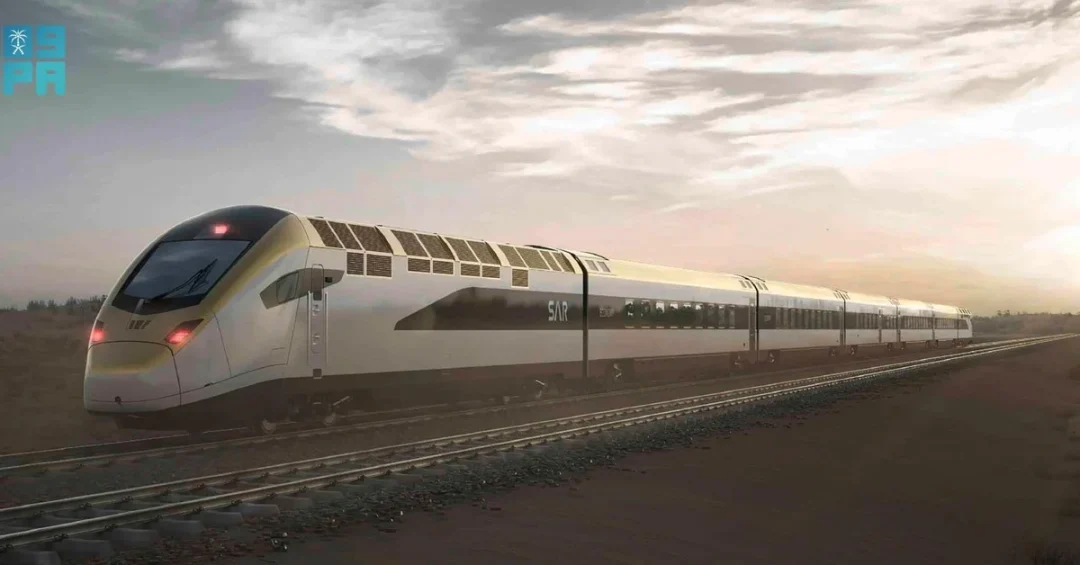
Saudi Arabia’s railway network witnessed a significant surge in passenger and cargo activity in the first quarter of 2024, with over eight million passengers traveling by train and more than six million tons of goods transported, according to data released by the Saudi Press Agency (SPA). The figures highlight the growing importance of railways in the Kingdom’s infrastructure and its alignment with Vision 2030 goals.
Context and Background
The surge in railway usage reflects Saudi Arabia’s strategic investment in modern transportation networks as part of its broader economic diversification efforts. The expansion of rail services, including urban and intercity lines, supports the Kingdom’s ambition to enhance connectivity, boost trade, and promote sustainable travel options. This growth is in line with the National Transport and Logistics Strategy, which aims to position Saudi Arabia as a global logistics hub.
Key Details
In Q1 2024, over two million passengers commuted by train within cities, a 1.7% increase compared to the same period in 2023. Intercity travel saw remarkable growth, with over six million passengers choosing trains for longer journeys, marking a 25.41% year-over-year increase. Cargo transport also experienced robust growth, with more than six million tons of goods and equipment moved by rail, a 10.7% increase over Q1 2023. These figures were reported by the Saudi Press Agency on May 22, 2024.
Implications and Impact
The rise in railway usage has significant implications for various sectors, including industry, tourism, and logistics. Efficient rail services reduce road congestion, lower carbon emissions, and provide a safer mode of transport, contributing to environmental sustainability and improved quality of life. The expansion also supports international trade by facilitating smoother cargo movement within the Kingdom and to neighboring regions, reinforcing Saudi Arabia’s position as a regional economic powerhouse.
Vision 2030 Alignment
The growth in rail travel aligns directly with Saudi Arabia’s Vision 2030 objectives of diversifying the economy, enhancing infrastructure, and promoting sustainable development. By investing in railways, the Kingdom is building a resilient transport system that connects cities, supports industries, and improves the daily lives of citizens and residents. This progress underscores Saudi Arabia’s commitment to modernizing its transportation sector and achieving its long-term strategic goals.
20 Questions
Q1. What was the total number of passengers who traveled by train in Q1 2024 in Saudi Arabia?
A1. Over eight million passengers traveled by train in Saudi Arabia during Q1 2024, setting a new record. This includes both urban and intercity services.
Q2. How much did intercity train travel increase in Q1 2024 compared to Q1 2023?
A2. Intercity travel saw a remarkable 25.41% increase, with over six million passengers opting for trains during Q1 2024.
Q3. What was the percentage increase in urban train commuters in Q1 2024?
A3. Urban train commuters increased by 1.7% compared to Q1 2023, with over two million passengers using city train services.
Q4. How many tons of cargo were transported by rail in Q1 2024?
A4. More than six million tons of goods and equipment were transported by rail in Q1 2024, a 10.7% increase over Q1 2023.
Q5. What are the main benefits of increased railway usage in Saudi Arabia?
A5. Increased railway usage reduces road congestion, cuts carbon emissions, and provides a safer mode of transport, thereby improving environmental sustainability and quality of life.
Q6. How does the railway network support Saudi Arabia’s economy?
A6. The railway network enhances connectivity for trade and industry, contributing to economic diversification and supporting the National Transport and Logistics Strategy.
Q7. What is the National Transport and Logistics Strategy?
A7. It is a Saudi initiative aimed at positioning the Kingdom as a global logistics hub, improving transport infrastructure, and boosting economic growth.
Q8. How does train travel contribute to environmental preservation?
A8. Train travel reduces the number of cars on the road, thereby lowering greenhouse gas emissions and helping mitigate climate change.
Q9. How is the railway network linked to tourism?
A9. Efficient rail services make it easier for tourists to travel between cities, boosting tourism and supporting the sector’s growth.
Q10. What role does the railway play in quality of life improvements?
A10. Railways provide reliable, efficient, and safe transportation, reducing travel time and stress, thus enhancing overall quality of life.
Q11. Which government agency reported these railway statistics?
A11. The Saudi Press Agency (SPA) reported the statistics, citing data from relevant transport authorities.
Q12. When was the railway data for Q1 2024 released?
A12. The data was released on May 22, 2024, in an official report by the Saudi Press Agency.
Q13. How does railway growth align with Vision 2030?
A13. Railway growth supports Vision 2030 by enhancing infrastructure, diversifying the economy, and promoting sustainable development.
Q14. What factors are driving the increase in railway passengers?
A14. Factors include improved services, expanded networks, increased awareness of environmental benefits, and greater connectivity between cities.
Q15. How does the railway network benefit the cargo sector?
A15. It provides a cost-effective and efficient means of transporting goods, reducing reliance on road transport and improving supply chain reliability.
Q16. What is the significance of exceeding previous passenger records?
A16. It demonstrates the growing acceptance and reliance on rail transport, indicating successful investments and service quality improvements.
Q17. How does rail transport contribute to worker productivity?
A17. By offering a safer and more comfortable commute, rail transport can reduce fatigue and travel time, leading to higher productivity.
Q18. How does the railway expansion support international trade?
A18. It facilitates smoother movement of goods to ports and borders, enhancing trade efficiency and linking Saudi Arabia to global markets.
Q19. What safety benefits does rail travel offer over road travel?
A19. Rail travel is generally considered safer due to controlled operations, reduced human error, and lower accident rates.
Q20. What future developments are expected for Saudi Arabia’s railway network?
A20. Further expansions and modernizations are planned, aiming to extend the network to more regions and increase capacity to meet growing demand.
Reader Feedback
We value your thoughts. Please share your feedback on this article.
Your feedback helps us improve our coverage.