


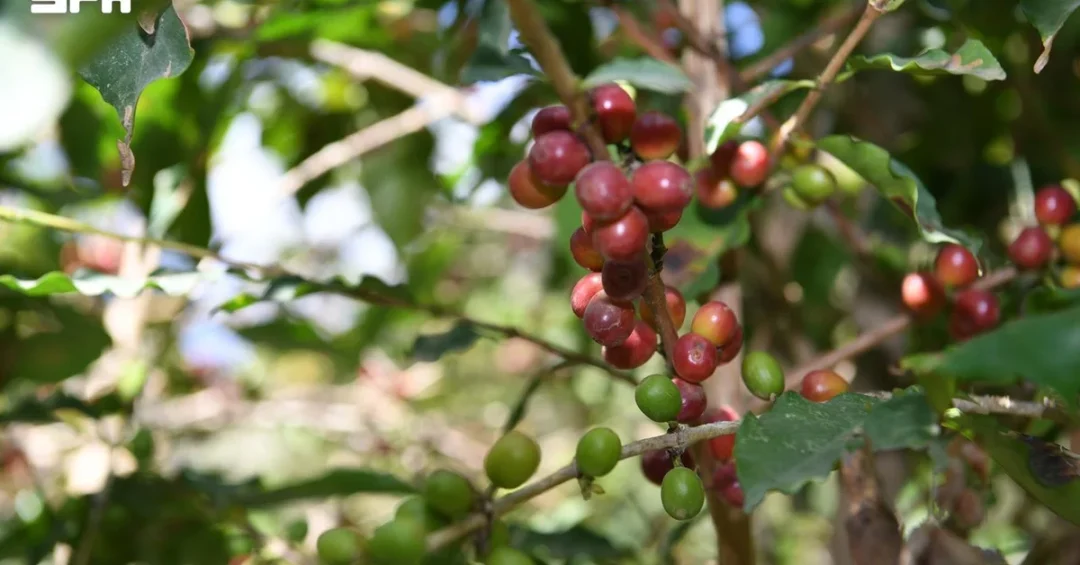
The Sustainable Agricultural Rural Development Program (Saudi Reef) has delivered more than SAR1.2 billion in support to over 34,000 beneficiaries across the Jazan Region, according to an official announcement released through the Saudi Press Agency. The program, an initiative of the Ministry of Environment, Water and Agriculture, also implemented nine agricultural projects in the region valued at SAR81.7 million, with an average completion rate of 70 percent, underscoring the Kingdom’s expanding commitment to rural development under Vision 2030. The figures were confirmed by Eng. Ahmed Al-Mujthal, Director General of the Ministry of Environment, Water and Agriculture’s Jazan Branch, who described the support as a direct investment in farming families, food security, and sustainable rural livelihoods.
So what does a figure of SAR1.2 billion actually mean for a region like Jazan, where agriculture remains a cornerstone of household income and local identity? It means thousands of smallholder farmers, livestock breeders, and rural entrepreneurs now have access to financing, technical assistance, and market pathways that were previously out of reach. The support covers production inputs, seedlings, livestock development, and income diversification, reflecting a deliberate strategy to modernize rural agriculture without displacing the communities that sustain it. The announcement also signals that Saudi Reef is moving from a phase of broad enrollment into a phase of measurable output, with project completion rates and production volumes now being tracked and published.
Context and Background
Why has Saudi Arabia placed rural agriculture at the center of its economic diversification agenda? The answer lies in the Kingdom’s geography and its Vision 2030 goals. Saudi Arabia spans vast agricultural landscapes, from the highlands of Asir and Jazan in the southwest to the date palm oases of Al-Ahsa and the desert farms of the north. Rural communities in these areas have historically faced challenges including limited access to finance, water scarcity, and fragmented market access. Saudi Reef was established to address these gaps directly, functioning as a national program that channels support to small-scale farmers, herders, and rural producers while improving productivity and sustainability.
Jazan, in particular, occupies a distinctive place in this effort. The region benefits from relatively high rainfall, fertile terraces, and a tropical climate that supports crops such as coffee, mangoes, bananas, and sesame. Yet for years, many farmers in the region operated at subsistence level, with limited ability to invest in irrigation, seedlings, or livestock health. The Ministry of Environment, Water and Agriculture has therefore prioritized Jazan as a pilot region where integrated rural support can demonstrate measurable results. Eng. Ahmed Al-Mujthal’s branch office has been the operational focal point for this work, coordinating with local cooperatives, agricultural associations, and beneficiaries.
Have previous rural development efforts in the Kingdom achieved this level of reach? Saudi Reef’s scale in Jazan suggests a shift in approach. Rather than isolated grants, the program combines financial support with production targets, project implementation, and follow-up. The result is a model that treats rural development as an investment with trackable returns, not merely as social assistance. This aligns with the broader Vision 2030 objective of building a diversified economy where agriculture, food processing, and rural tourism all contribute to national output and employment.
Key Details of the Support Package
What exactly does the SAR1.2 billion in support include? According to the official statement, the funding has reached more than 34,000 beneficiaries across Jazan Region, covering a range of agricultural activities. A central component is seedling production, with the program supporting the cultivation of more than 2.7 million seedlings. This enables farmers to expand cultivated areas and diversify their crop mix, moving beyond traditional subsistence crops into higher-value production such as fruit trees and specialty crops. Seedlings are a critical input because they determine the long-term productivity of orchards and plantations, and access to quality planting material has long been a constraint for smallholders.
The livestock sector has also been a major focus. Saudi Reef’s support contributed to production exceeding 2.2 million head of livestock, strengthening rural livelihoods and assisting breeders in improving herd health and productivity. Livestock remains a vital source of income and food security for rural families in Jazan, and targeted support in this area helps stabilize household incomes while improving the supply of meat and dairy products to local and national markets. In addition to direct support, the program implemented nine agricultural projects worth SAR81.7 million, with an average completion rate of 70 percent. These projects range from infrastructure and irrigation improvements to production facilities and training initiatives.
How does the program ensure that support translates into lasting gains rather than one-time transfers? The design of Saudi Reef emphasizes production efficiency and income diversification. Eng. Al-Mujthal noted that the program supports rural farmers, improves production efficiency, and helps diversify income sources. That combination is deliberate: by raising yields and reducing post-harvest losses, farmers earn more from existing land, while diversification into new crops or livestock products reduces vulnerability to price swings and climate variability. The 70 percent average completion rate on the nine projects indicates that implementation is well advanced, with remaining work focused on final delivery and commissioning.
Beneficiary Impact and Rural Livelihoods
Who are the beneficiaries of this support, and how has it changed their daily lives? The 34,000-plus beneficiaries in Jazan include smallholder farmers, livestock breeders, women-led agricultural households, and young rural entrepreneurs. For many, access to program support has meant the difference between maintaining existing operations and expanding into new production. Farmers who received seedlings have been able to plant new orchards that will generate income for years to come. Breeders who received livestock support have improved herd sizes and health, contributing to more stable household earnings. The program also places emphasis on empowering beneficiaries through training and technical guidance, so that gains are sustained beyond the initial support period.
Is there evidence that this approach is improving rural quality of life? The official figures point to production gains that directly affect household income. More than 2.7 million seedlings and over 2.2 million head of livestock represent substantial productive capacity now in the hands of rural families. When combined with the nine agricultural projects under implementation, the program is creating a rural ecosystem where production, processing, and marketing can reinforce one another. This matters for Jazan because the region has one of the Kingdom’s youngest populations and a strong agricultural tradition, making it a natural candidate for rural economic growth linked to food security and local employment.
What role do local institutions play in delivering this support? The Ministry of Environment, Water and Agriculture’s Jazan Branch, led by Eng. Ahmed Al-Mujthal, coordinates implementation with agricultural cooperatives and local associations. This decentralized approach allows the program to respond to regional conditions, such as the specific crops and livestock breeds suited to Jazan’s climate. It also builds local capacity, because cooperatives gain experience in project management and service delivery that can be applied to future initiatives. The result is a model that strengthens both individual beneficiaries and the institutions that support them.
International and Regional Impact
How does Saudi Arabia’s rural development effort resonate beyond its borders? Food security is a global priority, and the Kingdom’s investment in domestic agricultural capacity contributes to regional stability by reducing reliance on volatile import markets. For neighboring countries in the Gulf and the broader Middle East, Saudi Reef offers a replicable model of targeted rural support that combines financing, technical assistance, and measurable production outcomes. International organizations focused on agriculture and rural development have increasingly looked to such programs as examples of how national initiatives can align with global sustainability goals.
What does this mean for trade and agricultural cooperation? As Jazan’s production capacity grows, the region is positioned to supply higher-value agricultural products, including fruits, coffee, and livestock products, to domestic and regional markets. This can open opportunities for partnerships in processing, packaging, and distribution, attracting private investment that complements public support. Saudi Arabia’s broader agricultural strategy emphasizes sustainable use of water and land, and programs like Saudi Reef help ensure that increased production does not come at the expense of environmental resources. For international partners, the program represents a concrete example of Vision 2030’s economic diversification in action.
Could Jazan’s experience influence rural policy elsewhere in the Kingdom? The data generated by Saudi Reef in Jazan, including beneficiary numbers, production volumes, and project completion rates, provides a baseline for scaling similar efforts in other regions. The Ministry of Environment, Water and Agriculture can use these insights to refine targeting, improve project design, and allocate resources more effectively. This evidence-based approach is consistent with the Kingdom’s wider commitment to measuring progress against clear goals, a principle embedded in Vision 2030.
Economic and Strategic Significance
Why is agriculture considered a strategic sector in Saudi Arabia’s economic transformation? Agriculture contributes to food security, rural employment, and economic diversification, all of which are central to Vision 2030. By supporting smallholders and rural producers, Saudi Reef helps reduce rural-to-urban migration, strengthens local supply chains, and creates opportunities for agribusiness and food processing. The SAR1.2 billion invested in Jazan is therefore not only a social program but an economic one, building productive assets that will generate returns over time. The nine projects worth SAR81.7 million add infrastructure and capacity that can support broader regional development.
How does this connect to the Kingdom’s food security objectives? Saudi Arabia has prioritized food security through a combination of domestic production, strategic reserves, and international partnerships. Domestic production in regions like Jazan complements these efforts by supplying fresh produce and livestock products to local markets, reducing transport costs and improving availability. The program’s emphasis on production efficiency also aligns with sustainability goals, because higher yields per unit of water and land reduce the resource intensity of agriculture. As the program matures, the combination of public support and private investment could turn Jazan into a model for sustainable rural development across the Kingdom.
What are the next steps for beneficiaries and the program? With nine projects at an average completion rate of 70 percent, the immediate priority is to finish implementation and ensure that infrastructure and facilities are fully operational. Beyond that, the focus will shift to sustaining production gains, expanding market access, and encouraging reinvestment by beneficiaries. Eng. Al-Mujthal’s emphasis on improving production efficiency and diversifying income sources points to a long-term vision in which rural households are not merely supported but are active participants in the regional economy. This approach reflects the Kingdom’s broader belief that sustainable development must be built with communities, not just for them.
Vision 2030 Alignment
How does Saudi Reef in Jazan fit into the Kingdom’s Vision 2030 framework? Vision 2030 seeks to diversify the economy, strengthen non-oil sectors, and improve quality of life for all citizens. Rural development is an integral part of that agenda, because it addresses regional balance, food security, and employment in areas beyond the major cities. The SAR1.2 billion in support to over 34,000 beneficiaries, the 2.7 million seedlings, and the 2.2 million head of livestock all represent tangible progress toward these goals. The program also supports the Vision 2030 objective of empowering women and youth in rural areas, many of whom are among the beneficiaries.
What does the future hold for Jazan and similar regions? The Kingdom’s leadership has consistently emphasized that development must reach every region, and Saudi Reef is a practical expression of that commitment. As projects near completion and production expands, Jazan is positioned to become a showcase for how rural agriculture can contribute to national prosperity. The program’s model, combining direct support with measurable outcomes and local institutional capacity, offers a path that can be replicated elsewhere. For international observers, the story of Saudi Reef in Jazan is a clear example of how Vision 2030 is translating into real benefits for rural communities, strengthening the Kingdom’s food security and its broader economic resilience.
20 Questions
Q1. What is Saudi Reef?
A1. Saudi Reef is the Sustainable Agricultural Rural Development Program, an initiative of the Ministry of Environment, Water and Agriculture that supports small farmers, herders, and rural producers across Saudi Arabia.
Q2. How much support has Saudi Reef provided in Jazan?
A2. The program has provided more than SAR1.2 billion in support to over 34,000 beneficiaries in the Jazan Region, according to official figures released through the Saudi Press Agency.
Q3. How many agricultural projects has Saudi Reef implemented in Jazan?
A3. It has implemented nine agricultural projects worth SAR81.7 million, with an average completion rate of 70 percent.
Q4. Who announced the details of the support?
A4. Eng. Ahmed Al-Mujthal, Director General of the Ministry of Environment, Water and Agriculture’s Jazan Branch, announced the details.
Q5. What did Eng. Al-Mujthal say about the program’s goals?
A5. He said Saudi Reef supports rural farmers, improves production efficiency, and helps diversify income sources for rural households.
Q6. How many seedlings has the program supported?
A6. The program has supported the production of more than 2.7 million seedlings, helping farmers expand cultivation and broaden their crop range.
Q7. What has been the impact on the livestock sector?
A7. Saudi Reef’s support contributed to production exceeding 2.2 million head of livestock, strengthening rural livelihoods and assisting breeders.
Q8. Why is Jazan important for Saudi agriculture?
A8. Jazan has fertile terraces, relatively high rainfall, and a tropical climate suitable for crops such as coffee, mangoes, bananas, and sesame.
Q9. How many beneficiaries has the program reached in Jazan?
A9. More than 34,000 beneficiaries across the Jazan Region have received support from Saudi Reef.
Q10. What types of support do beneficiaries receive?
A10. Support includes financing, seedlings, livestock development, technical assistance, training, and help with income diversification and market access.
Q11. How does Saudi Reef improve production efficiency?
A11. It provides quality inputs, technical guidance, and infrastructure that help farmers raise yields and reduce post-harvest losses.
Q12. What is the completion status of the nine projects?
A12. The projects have an average completion rate of 70 percent, with remaining work focused on final delivery and commissioning.
Q13. How does the program support income diversification?
A13. It encourages farmers to expand into higher-value crops and livestock products, reducing reliance on a single source of income.
Q14. What role do local cooperatives play?
A14. Local cooperatives and associations help implement the program, manage projects, and deliver services tailored to regional conditions.
Q15. How does Saudi Reef align with Vision 2030?
A15. It supports economic diversification, food security, rural employment, and improved quality of life, all central goals of Vision 2030.
Q16. Does the program benefit women and youth?
A16. Yes, women-led agricultural households and young rural entrepreneurs are among the beneficiaries, supporting inclusive rural development.
Q17. What crops are prioritized in Jazan?
A17. The region’s climate supports coffee, mangoes, bananas, sesame, and other tropical and subtropical crops, along with livestock production.
Q18. How does the program contribute to food security?
A18. By increasing domestic production of crops and livestock, Saudi Reef helps reduce reliance on imports and strengthens local food supply chains.
Q19. What are the next steps for the program in Jazan?
A19. The focus is on completing the remaining project work, sustaining production gains, expanding market access, and encouraging reinvestment by beneficiaries.
Q20. How can other regions benefit from this model?
A20. The data and experience from Jazan provide a baseline for scaling similar rural development efforts in other regions of the Kingdom.
Reader Feedback
We value your thoughts. Please share your feedback on this article.
Your feedback helps us improve our coverage.