


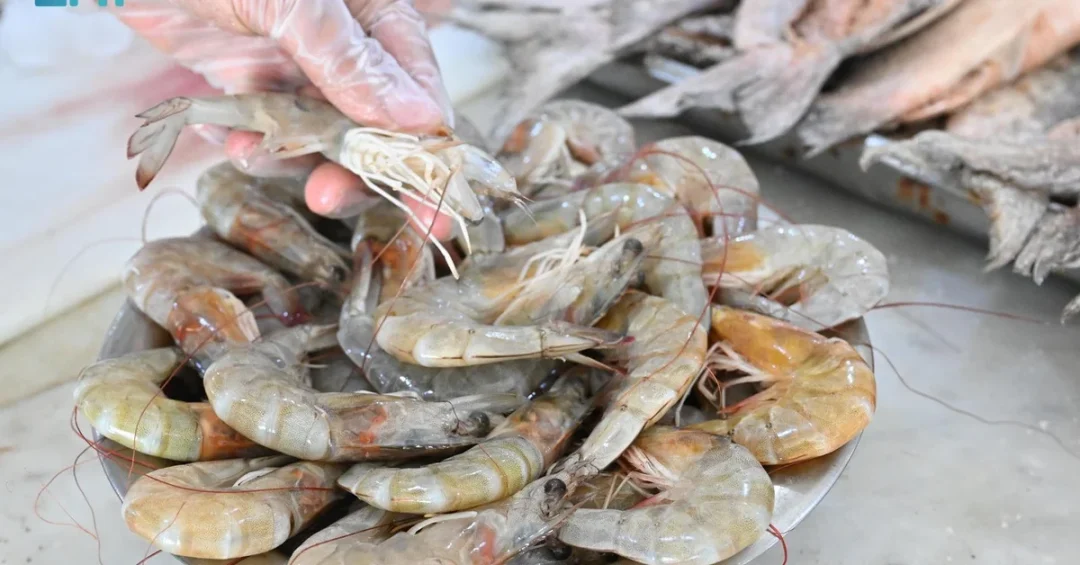
The shrimp fishing season officially opened in the Red Sea off the coast of Jazan on September 1, 2024, with approximately 120 fishing vessels setting sail on the first day, according to the Saudi Press Agency (SPA). The season will run for seven months, concluding at the end of March 2025, and is expected to provide a significant boost to the regional economy while ensuring the sustainability of shrimp stocks through regulated fishing practices.
Context and Background
Jazan, located in the southwestern region of Saudi Arabia, has long been recognized for its rich marine resources and strategic location along the Red Sea. The annual shrimp fishing season is a cornerstone of the local economy, providing livelihoods for thousands of fishermen and supporting related industries such as processing, transportation, and export. The season’s opening on September 1 marks a period of heightened activity in the region’s ports and markets, with shrimp becoming widely available as supply increases and competition among vendors grows.
The Fisheries Research Center in Jazan plays a pivotal role in managing the season, offering comprehensive support to fishermen. This includes facilitating the issuance of fishing licenses, advising on sustainable fishing methods, and coordinating with the National Company for Agricultural Services for seasonal shrimp fishing permits. These efforts align with Saudi Arabia’s broader goals of sustainable resource management and economic diversification under Vision 2030.
Key Details
On the first day of the season, some 120 fishing vessels took to the sea, employing sustainable fishing techniques designed to preserve shrimp populations for future generations. Jazan’s annual shrimp production is estimated at around 800 tons from wild capture, while aquaculture companies contribute over 3,000 tons, underscoring the region’s role as a major producer. The seven-month season allows for consistent supply and enables fishermen to maximize their catch within ecological limits.
The Fisheries Research Center’s involvement ensures that all operations adhere to best practices, including the use of approved nets and adherence to designated fishing zones. This regulatory framework not only protects marine biodiversity but also enhances the reputation of Saudi seafood in international markets.
Implications and Impact
The opening of the shrimp fishing season has significant economic implications for Jazan and beyond. It stimulates commercial activity in local markets, creates employment opportunities, and contributes to food security. The influx of fresh shrimp during the season often leads to lower prices, benefiting consumers across the Kingdom. Moreover, the season supports the growth of related sectors such as logistics, cold storage, and export services.
Regionally, the season strengthens Saudi Arabia’s position as a key supplier of high-quality seafood. With increasing global demand for sustainable seafood, Saudi shrimp exports have the potential to expand, particularly to markets in Asia and Europe. The emphasis on sustainable practices also aligns with international conservation goals, enhancing the Kingdom’s environmental stewardship credentials.
Vision 2030 Alignment
The shrimp fishing season in Jazan exemplifies Saudi Arabia’s commitment to sustainable economic development under Vision 2030. By promoting responsible fishing, supporting local communities, and boosting non-oil exports, the season contributes to the diversification of the national economy. The Fisheries Research Center’s efforts to regulate and modernize the sector reflect the Vision’s focus on innovation, environmental sustainability, and enhancing the quality of life for citizens. As the season progresses, it will continue to showcase the Kingdom’s rich marine resources and its dedication to balancing economic growth with ecological preservation.
20 Questions
Q1. When did the shrimp fishing season open in Jazan?
A1. The shrimp fishing season officially opened on September 1, 2024, as announced by the Saudi Press Agency. The season will run for seven months, concluding at the end of March 2025.
Q2. How many fishing vessels participated on the first day?
A2. Approximately 120 fishing vessels took to the sea on the first day, utilizing sustainable fishing methods to preserve shrimp populations. This marked a strong start to the season.
Q3. What is the duration of the shrimp fishing season?
A3. The season lasts for seven months, from September 1 to the end of March. This extended period allows for consistent supply and economic benefits for the region.
Q4. Which organization supports fishermen in Jazan?
A4. The Fisheries Research Center in Jazan provides comprehensive support, including facilitating licenses, advising on sustainable practices, and coordinating with the National Company for Agricultural Services for permits.
Q5. What is Jazan’s annual shrimp production from wild capture?
A5. Jazan’s annual shrimp production is estimated at around 800 tons from wild capture. This figure highlights the region’s significant contribution to Saudi Arabia’s seafood industry.
Q6. How much do aquaculture companies contribute to shrimp production?
A6. Aquaculture companies in Jazan contribute over 3,000 tons of shrimp annually, surpassing wild capture. This demonstrates the growing importance of aquaculture in the region.
Q7. Why is sustainable fishing important for Jazan?
A7. Sustainable fishing ensures the long-term viability of shrimp populations, protecting marine biodiversity and supporting the livelihoods of fishermen and related industries for future generations.
Q8. What economic benefits does the shrimp season bring?
A8. The season boosts commercial activity, creates jobs, and makes shrimp widely available, leading to increased competition and potentially lower prices for consumers across the Kingdom.
Q9. How does the season align with Vision 2030?
A9. It supports economic diversification, promotes sustainable resource management, and enhances non-oil exports, all of which are key objectives of Saudi Arabia’s Vision 2030.
Q10. What role does the National Company for Agricultural Services play?
A10. The National Company for Agricultural Services coordinates with the Fisheries Research Center to issue seasonal shrimp fishing permits, ensuring compliance with regulations and sustainable practices.
Q11. Are there any restrictions on fishing methods?
A11. Yes, fishermen must use sustainable methods, such as approved nets and adhere to designated zones, as advised by the Fisheries Research Center to protect shrimp stocks.
Q12. How does the season affect local markets?
A12. The influx of fresh shrimp increases supply, leading to greater competition among vendors and potentially lower prices, benefiting consumers and stimulating market activity in Jazan and beyond.
Q13. What is the significance of Jazan’s location for shrimp fishing?
A13. Jazan’s location along the Red Sea provides access to rich marine resources, making it a prime area for shrimp fishing and a hub for seafood production in Saudi Arabia.
Q14. How does shrimp fishing contribute to food security?
A14. By increasing the domestic supply of shrimp, the season helps meet local demand, reduces reliance on imports, and supports Saudi Arabia’s goals for food security and self-sufficiency.
Q15. What happens after the season ends in March?
A15. After the season concludes, fishing activities cease to allow shrimp populations to recover. The Fisheries Research Center continues to monitor stocks and prepare for the next season.
Q16. Are there export opportunities for Saudi shrimp?
A16. Yes, with growing global demand for sustainable seafood, Saudi shrimp has potential for export to international markets, particularly in Asia and Europe, boosting non-oil exports.
Q17. How does the season support local communities?
A17. It provides employment for fishermen, processors, and traders, and stimulates ancillary services such as transportation and cold storage, enhancing the quality of life in Jazan.
Q18. What measures ensure the sustainability of shrimp stocks?
A18. The Fisheries Research Center enforces regulations on fishing gear, seasons, and zones, and promotes best practices to prevent overfishing and protect marine ecosystems.
Q19. How does aquaculture complement wild capture?
A19. Aquaculture provides a steady supply of shrimp year-round, reducing pressure on wild stocks. Its contribution of over 3,000 tons annually supports the region’s economy and food supply.
Q20. What is the long-term vision for Jazan’s fisheries sector?
A20. The long-term vision includes sustainable growth, increased production, and enhanced exports, aligned with Vision 2030’s goals of economic diversification and environmental stewardship.
Reader Feedback
We value your thoughts. Please share your feedback on this article.
Your feedback helps us improve our coverage.
Related articles
 Finance Minister Inaugurates 24 Fintech Conference
 STC Bank Joins 24 Fintech as Founding Partner
 Samsung Pay to Launch in Saudi Arabia Q4 2024: SAMA
 EXPRO to Host Inaugural Expenditure Efficiency Forum in November
 Ministers Meet Saudi Entrepreneurs at 24 Fintech
 Unaizah Dates Season Showcases Quality and Diversity