


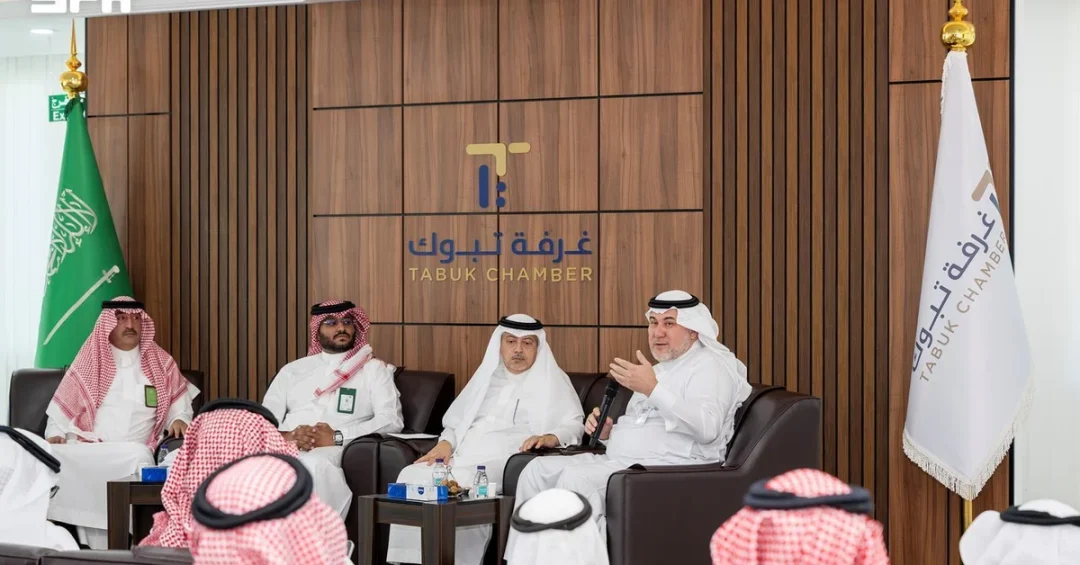
Saudi Arabia’s Tabuk Region has showcased a wide-ranging portfolio of investment opportunities in its environment, water, and agriculture sectors, with a dedicated workshop at the Tabuk Chamber on Tuesday bringing together officials and private-sector representatives to accelerate sustainable development across the Kingdom’s northwestern frontier. The event, reported by the Saudi Press Agency (SPA), highlighted projects spanning agriculture, livestock, aquaculture, vegetation cover, and ecotourism, reflecting a coordinated national effort to unlock the region’s natural assets in line with Saudi Vision 2030. The workshop was designed to encourage private-sector participation, strengthen partnerships with investors, and gather proposals to further develop the region’s investment landscape. Could this gathering mark a turning point for one of the Kingdom’s most resource-rich but underdeveloped regions?
The initiative comes as Saudi Arabia continues to diversify its economy away from hydrocarbon dependence, placing agriculture, water security, and environmental sustainability at the heart of its long-term planning. Tabuk, which shares borders with Jordan and sits close to Egypt across the Gulf of Aqaba, occupies a strategically vital position in the Kingdom’s geography. Its fertile valleys, groundwater reserves, and growing infrastructure have made it a focal point for investment in food production and rural development. The workshop at the Tabuk Chamber provided a platform for investors to engage directly with government officials and to align their proposals with national priorities. How might these efforts reshape the economic profile of a region long known primarily for its archaeological heritage and military significance?
Context and Background
Why has Tabuk become such a central focus for Saudi Arabia’s agricultural and environmental ambitions? The region’s unique geography offers a combination of arable land, water resources, and climatic conditions that support a diverse range of crops and livestock. Historically, Tabuk has been an agricultural hub, producing wheat, olives, dates, and citrus fruits, while its rangelands have sustained traditional livestock herding for generations. However, like many regions across the Kingdom, it has faced challenges related to water scarcity, desertification, and the need to modernize farming practices. The workshop represents a direct response to those challenges, framing them as investment opportunities rather than obstacles.
The event also reflects a broader national strategy. Under Vision 2030, Saudi Arabia has set ambitious targets for food security, environmental protection, and the sustainable use of natural resources. The National Agriculture Strategy and the National Water Strategy both emphasize the role of private investment in achieving these goals. By bringing together investors and officials in Tabuk, the workshop operationalized these policies at the regional level. It also underscored the importance of local partnerships in translating national objectives into tangible projects that create jobs and stimulate economic activity. What does this mean for the farmers, entrepreneurs, and communities of Tabuk?
Moreover, the timing of the workshop is significant. As Saudi Arabia prepares for a post-oil economic future, regions like Tabuk are being positioned as engines of non-oil growth. The Kingdom’s Public Investment Fund (PIF) and other state-backed entities have increasingly directed capital toward agriculture, renewable energy, and tourism in the northwest, including the NEOM mega-project and the Red Sea development. Tabuk’s inclusion in this broader investment push signals that the region is no longer a peripheral concern but a key component of the national economic transformation. How can investors best leverage these emerging opportunities?
Key Details
What specific opportunities were presented at the Tabuk Chamber workshop? According to the Saudi Press Agency, the showcased projects cover a wide spectrum. In agriculture, proposed ventures include greenhouses, plant nurseries, and olive presses, alongside feed and fertilizer production facilities. These projects aim to boost local food production, reduce reliance on imports, and add value to raw agricultural output. Livestock and aquaculture also feature prominently, with opportunities in beekeeping and honey production, fish farming, and initiatives to utilize agricultural and animal waste. These waste-to-value projects are particularly important for sustainability, as they turn byproducts into energy, fertilizer, or animal feed, contributing to a circular economy.
Beyond traditional farming, the workshop highlighted opportunities related to vegetation cover and ecotourism. These include the development of lodges, campsites, and caravan parks, as well as the propagation of native, aromatic, and medicinal plants. Such projects tap into the growing global demand for nature-based tourism and wellness experiences. Tabuk’s dramatic landscapes, from the rugged mountains of the northwest to the pristine coastline along the Red Sea, offer a compelling backdrop for ecotourism. The workshop also proposed organizing activities such as nature trekking and equestrian sports, which could attract both domestic and international visitors. How might these ventures position Tabuk as a premier destination for sustainable tourism?
The workshop’s format was designed to be interactive. Officials from relevant ministries and agencies attended, providing investors with direct access to decision-makers and regulatory guidance. The gathering also served as a listening exercise, with organizers collecting proposals from participants to refine the region’s investment roadmap. This collaborative approach aligns with the Saudi government’s emphasis on public-private partnerships as a driver of economic development. By inviting investors to co-create the agenda, the workshop aimed to ensure that projects are both commercially viable and aligned with national priorities. What role will the private sector play in shaping the future of Tabuk’s environment, water, and agriculture sectors?
International and Regional Impact
How will these developments resonate beyond Saudi Arabia’s borders? Tabuk’s proximity to Jordan, Egypt, and the broader Levant region makes it a potential gateway for agricultural trade and investment. Improved food production in Tabuk could enhance Saudi Arabia’s export capacity to neighboring markets, particularly for high-value products such as olive oil, honey, and medicinal plants. Moreover, the focus on sustainable water management and waste utilization could serve as a model for other arid regions in the Middle East and North Africa, where similar challenges exist. International investors, including those from Europe and Asia, have shown growing interest in Saudi Arabia’s agri-food sector, drawn by the Kingdom’s stability, incentives, and strategic location.
The ecotourism component also has regional implications. As global travelers seek authentic, nature-oriented experiences, Tabuk’s untapped potential could attract visitors from around the world. The development of lodges, campsites, and caravan parks would cater to a growing segment of tourists interested in adventure and cultural heritage. This aligns with Saudi Arabia’s broader tourism strategy, which aims to welcome 150 million visitors annually by 2030. Tabuk’s archaeological sites, including the Nabatean tombs of Hegra (Mada’in Salih), already draw visitors, and the new ecotourism offerings would complement these attractions. Could Tabuk become the next must-visit destination on the global sustainable tourism map?
Economic and Strategic Significance
Why does this workshop matter for Saudi Arabia’s economy? Agriculture and water are critical to the Kingdom’s food security and economic resilience. Saudi Arabia imports a significant portion of its food, making domestic production a strategic imperative. By investing in Tabuk’s agricultural potential, the Kingdom can reduce its import bill, create jobs, and build a more diversified economy. The projects discussed at the workshop, from greenhouses to fish farms, are labor-intensive and knowledge-driven, offering opportunities for Saudi youth and entrepreneurs. They also support the growth of related industries, such as logistics, packaging, and cold storage, multiplying the economic impact.
From a strategic perspective, developing Tabuk’s environment and water sectors enhances the Kingdom’s ability to manage its natural resources sustainably. Water scarcity is a pressing concern across the region, and projects that promote efficient irrigation, wastewater recycling, and desalination are essential. The workshop’s emphasis on utilizing agricultural and animal waste aligns with the circular economy principles championed by Vision 2030. By turning waste into resources, Tabuk can reduce its environmental footprint while generating economic value. This integrated approach could serve as a blueprint for other regions. How will these investments shape the lives of Tabuk’s residents and the Kingdom’s future?
Vision 2030 Alignment
How does the Tabuk workshop connect to Saudi Vision 2030? The Vision, launched in 2016 under the leadership of Crown Prince Mohammed bin Salman, seeks to transform Saudi Arabia into a diversified, sustainable, and globally engaged economy. Key objectives include enhancing food security, protecting the environment, and promoting private-sector growth. The Tabuk initiative directly supports these goals by attracting investment into sectors that are vital for long-term resilience. It also aligns with the Vision’s emphasis on regional development, ensuring that the benefits of economic transformation are shared across the Kingdom, not just in major cities.
Looking ahead, the workshop is likely to catalyze a wave of new projects in Tabuk. As proposals are refined and partnerships formed, the region could emerge as a model for sustainable agriculture and ecotourism. The Saudi government’s commitment to supporting investors, combined with the Kingdom’s stable business environment, makes Tabuk an attractive destination for both local and international capital. For a nation striving to build a prosperous future beyond oil, Tabuk’s environment, water, and agriculture sectors represent a fertile ground for innovation and growth. Will this be the moment when Tabuk’s full potential is finally realized?
20 Questions
Q1. What event took place at the Tabuk Chamber on Tuesday?
A1. A workshop showcased investment opportunities in Tabuk’s environment, water, and agriculture sectors, bringing together officials and private-sector representatives to encourage participation and gather proposals for regional development.
Q2. Which sectors were highlighted at the workshop?
A2. The workshop focused on agriculture, livestock, aquaculture, vegetation cover, and ecotourism, presenting a diverse portfolio of projects aimed at sustainable development and economic diversification in Tabuk.
Q3. What types of agricultural projects were proposed?
A3. Proposed projects included greenhouses, plant nurseries, olive presses, and feed and fertilizer production facilities, all designed to boost local food production and add value to agricultural output.
Q4. How does aquaculture feature in the investment opportunities?
A4. Aquaculture opportunities include fish farming, which can enhance food security and create jobs, as well as initiatives to utilize agricultural and animal waste for sustainable production.
Q5. What ecotourism projects were mentioned?
A5. Ecotourism projects include lodges, campsites, caravan parks, and activities such as nature trekking and equestrian sports, leveraging Tabuk’s natural landscapes to attract visitors.
Q6. Why is Tabuk considered important for Saudi agriculture?
A6. Tabuk has fertile valleys, water resources, and a favorable climate for diverse crops and livestock, making it a key region for enhancing the Kingdom’s food security and agricultural output.
Q7. What is the significance of native plant propagation?
A7. Propagating native, aromatic, and medicinal plants supports biodiversity, preserves local heritage, and creates commercial opportunities in wellness and herbal products, aligning with sustainability goals.
Q8. How does the workshop support Vision 2030?
A8. It aligns with Vision 2030 by promoting private-sector investment, economic diversification, food security, and sustainable development in regions like Tabuk, contributing to the Kingdom’s long-term transformation.
Q9. Who attended the workshop?
A9. A number of officials attended, representing relevant government ministries and agencies, providing investors with direct access to regulatory guidance and partnership opportunities.
Q10. What was the main goal of the workshop?
A10. The workshop aimed to highlight investment opportunities, encourage private-sector participation, strengthen investor partnerships, and gather proposals to develop Tabuk’s investment landscape.
Q11. How can waste utilization benefit Tabuk’s economy?
A11. Utilizing agricultural and animal waste can create circular economy benefits, producing energy, fertilizer, and feed while reducing environmental impact and generating new revenue streams.
Q12. What role does ecotourism play in Tabuk’s development?
A12. Ecotourism diversifies the local economy, creates jobs, and attracts visitors interested in nature and heritage, complementing Saudi Arabia’s broader tourism goals under Vision 2030.
Q13. How does Tabuk’s location benefit investors?
A13. Tabuk’s proximity to Jordan and Egypt provides access to regional markets, while its infrastructure and natural assets make it attractive for agriculture, trade, and tourism investments.
Q14. What are the water-related opportunities in Tabuk?
A14. Water-related opportunities include efficient irrigation, wastewater recycling, and desalination projects, all essential for sustainable agriculture and addressing water scarcity in the region.
Q15. How does the workshop encourage private-sector participation?
A15. By providing a platform for direct engagement with officials and collecting investor proposals, the workshop fosters public-private partnerships and ensures projects align with national priorities.
Q16. What is the expected impact on local employment?
A16. New agricultural, aquaculture, and ecotourism projects are expected to create jobs for local residents, particularly youth, supporting economic growth and community development in Tabuk.
Q17. How does this initiative support food security?
A17. By boosting domestic production of crops, livestock, and fish, the initiative reduces reliance on imports and strengthens Saudi Arabia’s ability to ensure a stable food supply.
Q18. What makes Tabuk attractive for ecotourism?
A18. Tabuk’s dramatic mountains, Red Sea coastline, and archaeological sites like Hegra offer unique natural and cultural experiences, appealing to adventure and heritage travelers.
Q19. How does the workshop reflect Saudi Arabia’s economic diversification?
A19. It channels investment into non-oil sectors like agriculture and tourism, reducing dependence on hydrocarbons and building a more resilient, diversified economy as envisioned by Vision 2030.
Q20. What are the next steps after the workshop?
A20. Organizers will review investor proposals, refine the investment roadmap, and facilitate partnerships to launch projects, with continued government support to ensure successful implementation in Tabuk.
Reader Feedback
We value your thoughts. Please share your feedback on this article.
Your feedback helps us improve our coverage.