


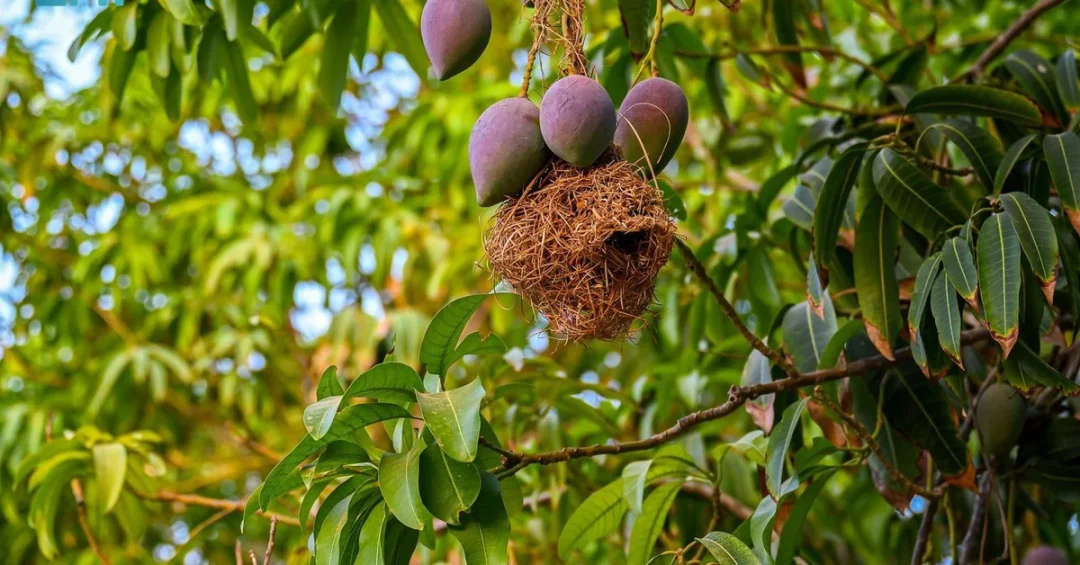
Al-Baha, May 15, 2024 – The Tihama area of Al-Baha region in Saudi Arabia is celebrating a bumper mango harvest, with over 1,200 tons of mangoes produced across 127 farms. The mangoes, renowned for their exceptional sweetness and health-enhancing properties, are a key agricultural product of the region. The harvest, reported by the Saudi Press Agency (SPA), highlights the Kingdom’s commitment to agricultural development and food security as part of its Vision 2030 goals.
Context and Background
The Tihama region, with its unique tropical climate, is ideal for mango cultivation. The mangoes come in a variety of colors and shapes—some round, others oval—and are highly sought after for their quality. The Saudi Press Agency recently visited farms in the Nawan Center of Al-Mikhwah Governorate, where farmer Muhammad bin Ahmed Al-Daheri, who has been cultivating mangoes for 12 years, manages a sprawling 11,000 square meter farm with around 250 mango tree seedlings, some as high as eight meters.
Key Details
According to Eng. Fahad Alzahrani, Director of the Ministry of Environment, Water and Agriculture Branch in Al-Baha Region, the 127 mango farms are spread across 94 hectares in the governorates and centers of the Tihama sector. This includes 75 farms in Al-Mikhwah Governorate and 52 farms in Qilwah. Each hectare produces approximately 10 to 13 tons of mangoes, bringing the total yield for Al-Baha region to an estimated 1,222 tons. Al-Daheri relies on a well-maintained irrigation system, ensuring his mango crops thrive, and cultivates approximately 20 different mango varieties renowned in the region.
Implications and Impact
The bumper harvest is a boon for local farmers and the regional economy. It underscores Saudi Arabia’s progress in agricultural self-sufficiency and its ability to produce high-quality tropical fruits in challenging climates. The success of the Tihama mango farms also positions Al-Baha as a potential hub for agri-tourism, attracting visitors interested in experiencing the region’s agricultural heritage. The harvest contributes to the national goal of enhancing food security and diversifying the economy, reducing reliance on food imports.
Vision 2030 Alignment
The Tihama mango harvest is a testament to Saudi Arabia’s unwavering commitment to developing its agricultural sector under Vision 2030. By investing in modern irrigation systems, supporting farmers, and promoting sustainable farming practices, the Kingdom is not only increasing food security but also creating new economic opportunities in rural areas. The success of the mango farms in Al-Baha is a bright example of how Vision 2030 is transforming Saudi Arabia’s agricultural landscape, ensuring a prosperous future for its people and solidifying its role as a regional leader in sustainable development.
20 Questions
Q1. What is the total mango production in the Tihama area of Al-Baha region?
A1. The total mango production in the Tihama area of Al-Baha region is over 1,200 tons, as reported by the Saudi Press Agency. This bumper harvest indicates a highly successful season for local farmers, contributing significantly to the region’s agricultural output.
Q2. How many mango farms are there in the Tihama area?
A2. There are 127 mango farms in the Tihama area of Al-Baha region. These farms are spread across the governorates and centers, with 75 in Al-Mikhwah Governorate and 52 in Qilwah, covering a total area of 94 hectares.
Q3. Who is Muhammad bin Ahmed Al-Daheri?
A3. Muhammad bin Ahmed Al-Daheri is a mango farmer in the Nawan Center of Al-Mikhwah Governorate. He has been cultivating mangoes for 12 years and manages an 11,000 square meter farm with about 250 mango tree seedlings, some as tall as eight meters.
Q4. How long has Al-Daheri been cultivating mangoes?
A4. Al-Daheri has been cultivating mangoes for approximately 12 years. His experience highlights the deep-rooted agricultural traditions in the region and the expertise of local farmers in producing high-quality mangoes.
Q5. What is the size of Al-Daheri’s farm?
A5. Al-Daheri’s farm spans 11,000 square meters. This sizable plot accommodates around 250 mango tree seedlings, some of which reach heights of up to eight meters, demonstrating the scale of mango farming in the area.
Q6. How many mango varieties does Al-Daheri cultivate?
A6. Al-Daheri cultivates approximately 20 different mango varieties. This diversity is renowned in the region and contributes to the unique flavors and characteristics of the mangoes produced in the Tihama area.
Q7. What is the role of the Ministry of Environment, Water and Agriculture in Al-Baha?
A7. The Ministry of Environment, Water and Agriculture Branch in Al-Baha Region, directed by Eng. Fahad Alzahrani, oversees the agricultural sector. They provide support and guidance to farmers, ensuring sustainable practices and contributing to the region’s agricultural success.
Q8. How many mango farms are in Al-Mikhwah Governorate?
A8. There are 75 mango farms in Al-Mikhwah Governorate. This is part of the total 127 mango farms in the Tihama sector, highlighting the governorate’s significant role in mango production.
Q9. How many mango farms are in Qilwah?
A9. There are 52 mango farms in Qilwah. These farms contribute to the total of 127 farms in the Tihama sector, supporting the region’s robust mango production capacity.
Q10. What is the total area dedicated to mango farming in Tihama?
A10. The total area dedicated to mango farming in the Tihama sector is 94 hectares. This substantial land allocation underscores the importance of mango cultivation to the local economy and agricultural landscape.
Q11. How many tons of mangoes does each hectare produce?
A11. Each hectare of mango farm in the Tihama area produces approximately 10 to 13 tons of mangoes. This high yield per hectare is a testament to the favorable growing conditions and effective farming techniques used by local farmers.
Q12. What is the estimated total yield for Al-Baha region?
A12. The estimated total yield for Al-Baha region is 1,222 tons of mangoes. This significant production level reflects the success of the mango harvest season and the efficiency of the farms in the area.
Q13. Why are Tihama mangoes considered famous?
A13. Tihama mangoes are famous for their exceptional sweetness and health-enhancing elements. These qualities make them highly sought after, both locally and potentially in international markets, enhancing the reputation of Saudi agricultural products.
Q14. What colors and shapes do the mangoes come in?
A14. The mangoes in Tihama come in a variety of colors and shapes, with some being round and others oval. This diversity in appearance reflects the different mango varieties cultivated, offering consumers a range of choices.
Q15. How is the irrigation system in Al-Daheri’s farm?
A15. Al-Daheri relies on a well-maintained irrigation system. This system ensures that his mango crops thrive, providing consistent water supply critical for the healthy growth of the mango trees.
Q16. What is the significance of the Tihama mango harvest?
A16. The Tihama mango harvest is significant for its economic contribution and for showcasing Saudi Arabia’s agricultural capabilities. It demonstrates the Kingdom’s ability to produce high-quality fruit, aligning with Vision 2030’s goals of food security and economic diversification.
Q17. How does the mango harvest align with Vision 2030?
A17. The mango harvest aligns with Vision 2030 by promoting agricultural development, enhancing food security, and supporting rural economies. It reflects the Kingdom’s commitment to sustainable farming and reducing dependence on food imports.
Q18. What role does the Saudi Press Agency play in reporting this news?
A18. The Saudi Press Agency (SPA) reported the mango harvest news, providing official information about the region’s agricultural achievements. SPA’s coverage highlights the importance of transparency and sharing success stories of Saudi Arabia’s development.
Q19. What are the potential future implications of this harvest for the region?
A19. The success of the mango harvest may lead to increased investments in agriculture, expansion of mango farming, and potential export opportunities. It also positions Al-Baha as a potential agri-tourism destination, attracting visitors interested in the region’s agricultural heritage.
Q20. How can consumers access these Tihama mangoes?
A20. Consumers can access Tihama mangoes through local markets in Saudi Arabia. As production increases, there may be opportunities for wider distribution, making these premium mangoes available to a broader audience, potentially including international markets.
Reader Feedback
We value your thoughts. Please share your feedback on this article.
Your feedback helps us improve our coverage.