


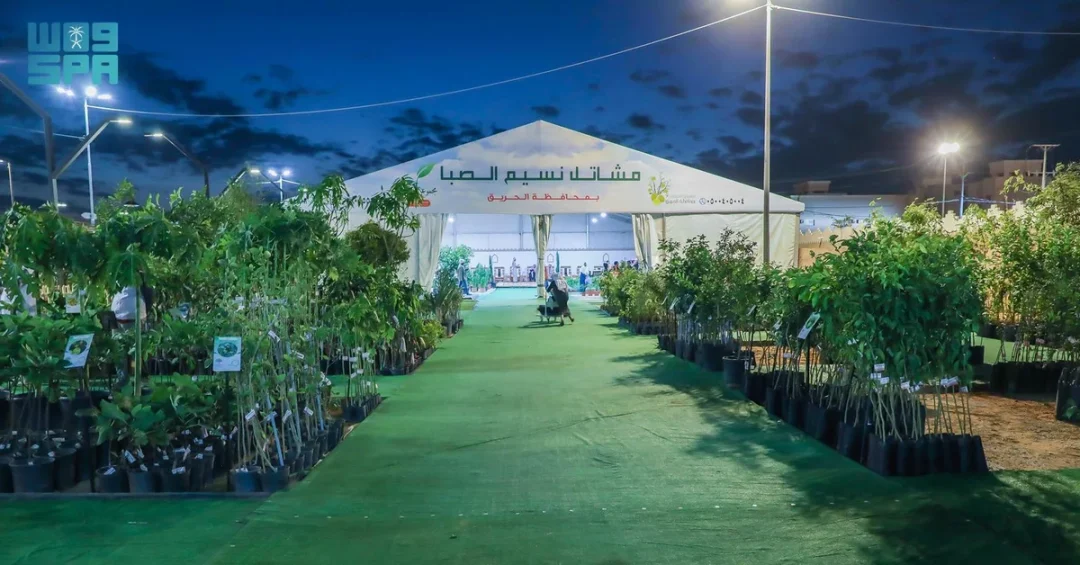
The 9th Citrus Festival in Al-Hariq has opened with over 300 pavilions showcasing the region’s agricultural wealth, including more than 20 varieties of locally grown citrus fruits, honey, dates, and other farm produce. The festival, organized under the patronage of Saudi authorities, has become a major attraction for visitors and farmers alike, reflecting the Kingdom’s commitment to agricultural development and community engagement.
Context and Background
Al-Hariq, located in the Riyadh region, is known for its fertile lands and citrus cultivation. The annual Citrus Festival, now in its ninth edition, highlights the area’s agricultural diversity and supports local farmers by providing a platform to market their products. The festival aligns with Saudi Arabia’s Vision 2030 goals of enhancing food security, boosting rural economies, and promoting sustainable agriculture.
Key Details
During its first four days, the festival attracted over 170,000 visitors, who explored a wide array of offerings. The event features 53 pavilions dedicated to citrus products, 23 pavilions for honey and honey derivatives, 28 pavilions for dates and their derivatives, and 90 pavilions for family-produced goods. Among the citrus varieties on display are Abu Surra oranges, summer Valencia, Shamouti, kumquat, limequat, mandarin, lemon, citron, and clementine. Unique offerings such as strawberry, papaya, and fig products add further diversity to the event.
Government and Community Participation
Active participation from government agencies, notably the Ministry of Environment, Water, and Agriculture, and Agricultural Education, underscores the festival’s importance. These agencies are hosting seminars and workshops aimed at educating farmers on best practices in agriculture, pest control, and water management. The involvement of local families through 90 pavilions highlights community empowerment and the festival’s role in supporting small-scale producers.
Implications and Impact
The festival not only boosts local tourism and trade but also strengthens Saudi Arabia’s agricultural sector. By showcasing over 20 citrus varieties and other products, it promotes the Kingdom’s capacity for diverse and high-quality food production. The event also fosters knowledge exchange among farmers, helping to improve agricultural efficiency and sustainability, which is critical for the region’s economic growth and food security.
20 Questions
Q1. What is the 9th Citrus Festival in Al-Hariq?
A1. The 9th Citrus Festival is an annual event in Al-Hariq, Saudi Arabia, featuring over 300 pavilions that showcase citrus fruits, honey, dates, and other farm produce.
Q2. How many pavilions does the festival have?
A2. The festival features over 300 pavilions dedicated to various agricultural products, including citrus, honey, dates, and family-produced goods.
Q3. What citrus varieties are featured at the festival?
A3. The festival displays more than 20 varieties of citrus, including Abu Surra oranges, Valencia, Shamouti, kumquat, limequat, mandarin, lemon, citron, and clementine.
Q4. How many visitors attended the festival in its first four days?
A4. Over 170,000 visitors attended the festival during its first four days, demonstrating strong public interest.
Q5. Are honey products featured at the festival?
A5. Yes, the festival includes 23 pavilions dedicated to honey and honey derivatives, showcasing local apiculture.
Q6. Are dates and date products available at the festival?
A6. Yes, there are 28 pavilions for dates and their derivatives, highlighting the region’s date production.
Q7. What government agencies participate in the festival?
A7. The Ministry of Environment, Water, and Agriculture, and Agricultural Education participate by hosting seminars and workshops.
Q8. What is the purpose of the seminars and workshops?
A8. The seminars and workshops aim to educate farmers on best agricultural practices, including pest control and water management.
Q9. How does the festival support local farmers?
A9. The festival provides a platform for local farmers to market their products directly to visitors, boosting their income and visibility.
Q10. Are locally produced dairy products featured?
A10. Yes, the festival includes dairy products such as ghee and yogurt, adding to the diversity of offerings.
Q11. Where is Al-Hariq located?
A11. Al-Hariq is located in the Riyadh region of Saudi Arabia, known for its agricultural fertility and citrus cultivation.
Q12. How many pavilions are for family-produced goods?
A12. There are 90 pavilions dedicated to family-produced goods, emphasizing community involvement.
Q13. Does the festival feature non-citrus fruits?
A13. Yes, the festival includes unique offerings such as strawberry, papaya, and fig products.
Q14. How does the festival align with Vision 2030?
A14. The festival supports Vision 2030 by enhancing food security, promoting sustainable agriculture, and boosting rural economies.
Q15. What is the significance of showcasing 20 citrus varieties?
A15. Showcasing 20 varieties highlights Saudi Arabia’s agricultural diversity and capacity for high-quality food production.
Q16. Are there educational opportunities for farmers?
A16. Yes, the festival includes workshops and seminars that provide practical knowledge on modern farming techniques.
Q17. How does the festival promote tourism?
A17. The festival attracts over 170,000 visitors, boosting local tourism and economic activity in Al-Hariq.
Q18. What is the role of honey pavilions?
A18. The honey pavilions showcase local honey products, supporting beekeepers and promoting apiculture in the region.
Q19. Are there products from other fruits like papaya?
A19. Yes, the festival features products from strawberry, papaya, and figs, adding to the agricultural showcase.
Q20. How long does the festival last?
A20. The festival typically runs for several days; the report covers the first four days, which attracted over 170,000 visitors.
Vision 2030 Alignment
The 9th Citrus Festival in Al-Hariq exemplifies Saudi Arabia’s commitment to advancing agricultural sustainability, rural development, and food security under Vision 2030. By empowering local farmers, fostering community engagement, and promoting diverse, high-quality products, the festival contributes to the Kingdom’s goal of building a vibrant society and a thriving economy.
Reader Feedback
We value your thoughts. Please share your feedback on this article.
Your feedback helps us improve our coverage.