


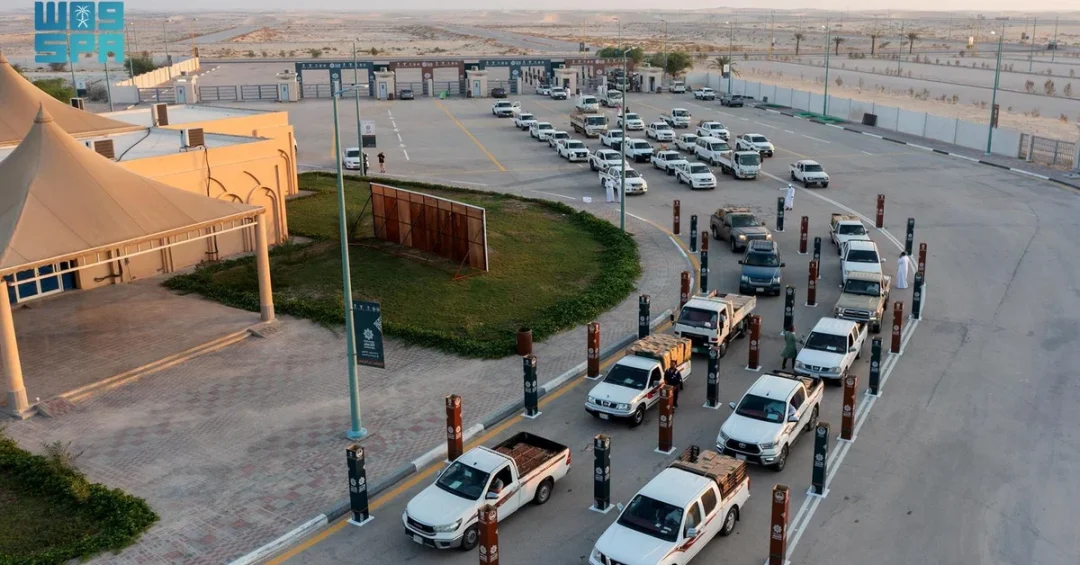
The Oasis of Al-Ahsa, in Saudi Arabia’s Eastern Region, is home to over 2.5 million palm trees that produce more than 200,000 tons of dates annually, making it a cornerstone of the kingdom’s agricultural and cultural heritage. This lush oasis, a UNESCO World Heritage site, is particularly renowned for its variety of fruits, with dates being the most prominent in the summer food basket. Among the top-selling varieties are Khalas, followed by Shishi, Shubibi, and Raziz, each contributing to the region’s reputation as a global date producer.
Context and Background
Al-Ahsa’s date production is deeply intertwined with Saudi identity, symbolizing generosity and hospitality. The National Centre for Palms and Dates (NCPD) oversees the date harvest auction season, an initiative aimed at strengthening the connection between dates and the cultural and social fabric of the region. The auction season, which began on September 12, 2024, is organized in a strategic partnership between the governorate, the municipality, the Al-Ahsa Development Authority, and the NCPD through the Dates Seasons Initiative. This collaboration ensures that date trade is regulated, market efficiency is enhanced, and the sector remains a key driver of the regional economy.
Key Details
The auction process is managed with precision at King Abdullah City for Dates, a facility designed to handle large volumes. Farmers deliver their yields, which are organized, packed in health-standard-compliant cardboard boxes, and subjected to rigorous quality inspections. Random samples are sent to a quality laboratory for grading, ensuring that only the best dates reach the market. This system not only attracts investors and traders from Al-Ahsa and beyond but also highlights the marketing and cultural significance of date production in the region. The 2024 harvest season showcases the positive contributions of dates to both the local and national economy.
International Impact
The success of Al-Ahsa’s date industry has international implications, as Saudi Arabia positions itself as a leading exporter of premium dates. The kingdom’s adherence to strict quality standards, from harvest to packaging, enhances its reputation in global markets. This aligns with Vision 2030‘s goal of diversifying the economy beyond oil, with agriculture, including date production, playing a vital role. The auction serves as a model for other regions, demonstrating how traditional crops can be modernized to meet global demand while preserving cultural heritage.
Vision 2030 Alignment
The date harvest auction season in Al-Ahsa is a testament to Saudi Arabia’s commitment to Vision 2030, which emphasizes economic diversification, cultural preservation, and sustainable agriculture. By supporting the NCPD and related initiatives, the kingdom is ensuring that its agricultural sector remains competitive and innovative. The auction not only boosts the national economy but also reinforces the cultural significance of dates as a symbol of Saudi hospitality and generosity. Looking ahead, Al-Ahsa’s date industry will continue to thrive, contributing to Vision 2030’s goals of building a vibrant society and a thriving economy.
20 Questions
Q1. What is the Oasis of Al-Ahsa known for?
A1. The Oasis of Al-Ahsa is known for its vast agricultural lands, towering palm trees, and abundant date production, with over 2.5 million palm trees.
Q2. How many tons of dates does Al-Ahsa produce annually?
A2. Al-Ahsa produces more than 200,000 tons of various date varieties each year.
Q3. What is the top-selling date variety in Al-Ahsa?
A3. The top-selling date variety in Al-Ahsa is Khalas.
Q4. What other date varieties are popular in Al-Ahsa?
A4. Other popular varieties include Shishi, Shubibi, and Raziz.
Q5. Which organization oversees the date harvest auction season?
A5. The National Centre for Palms and Dates (NCPD) oversees the date harvest auction season.
Q6. When did the date harvest auction season begin in 2024?
A6. The date harvest auction season began on September 12, 2024.
Q7. Where is the auction held?
A7. The auction is held at King Abdullah City for Dates in Al-Ahsa.
Q8. Who are the partners in the Dates Seasons Initiative?
A8. Partners include the governorate, the municipality, the Al-Ahsa Development Authority, and the NCPD.
Q9. What is the purpose of the auction?
A9. The auction regulates date trade, enhances market efficiency, and attracts investors.
Q10. How are dates inspected for quality?
A10. Random samples are sent to a quality laboratory for inspection and grading.
Q11. What packaging standards are followed?
A11. Dates are packed in health-standard-compliant cardboard boxes.
Q12. Why are dates significant to Saudi culture?
A12. Dates symbolize generosity and hospitality in Saudi identity.
Q13. How does the auction contribute to the economy?
A13. It boosts the regional and national economy by attracting traders and investors.
Q14. What is Vision 2030’s role in this initiative?
A14. Vision 2030 supports economic diversification and sustainable agriculture through such initiatives.
Q15. Is Al-Ahsa a UNESCO site?
A15. Yes, the Oasis of Al-Ahsa is a UNESCO World Heritage site.
Q16. How many palm trees are in Al-Ahsa?
A16. Al-Ahsa has over 2.5 million palm trees.
Q17. What is the role of the quality laboratory?
A17. The laboratory grades the dates to ensure high quality.
Q18. Does the auction attract international traders?
A18. Yes, it attracts investors and traders from Al-Ahsa and beyond.
Q19. How does the auction preserve cultural heritage?
A19. It strengthens the connection between dates and Al-Ahsa’s cultural and social heritage.
Q20. What is the future outlook for Al-Ahsa’s date industry?
A20. The industry is expected to thrive, contributing further to Vision 2030’s goals.
Reader Feedback
We value your thoughts. Please share your feedback on this article.
Your feedback helps us improve our coverage.