


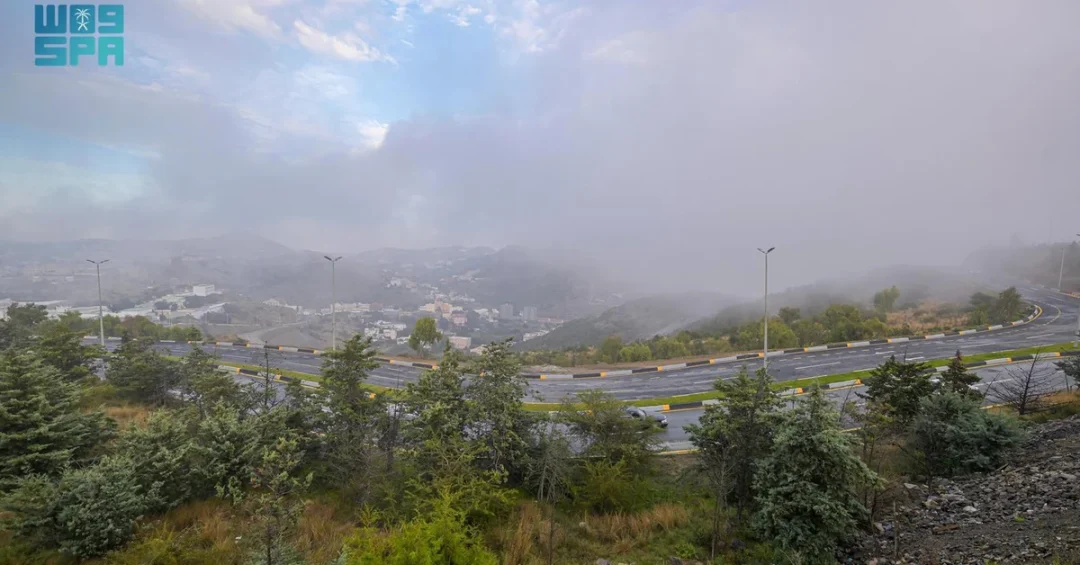
The Al-Baha region of Saudi Arabia has been transformed into a breathtaking landscape of mist and greenery following recent heavy rains, the Saudi Press Agency (SPA) reported on November 28, 2024. Thick fog, weaving through lush vegetation and fragrant flora, has painted a picturesque scene across the region, captivating residents and visitors alike. The mist, particularly when it shrouds the slopes and peaks of the mountains, creates an ethereal ambiance enhanced by gentle breezes, highlighting the natural beauty of this southwestern highland area.
Context and Background
Al-Baha, known as the “Bride of the Hijaz,” is renowned for its mountainous terrain, terraced farms, and moderate climate. Recent seasonal rains have revived the region’s natural landscapes, turning valleys into verdant corridors and peaks into misty vistas. This meteorological event underscores the region’s agricultural potential and its appeal as an ecotourism destination within the Kingdom.
Key Details
The SPA captured images of the fog-draped scenery, which serves as a testament to the region’s ecological richness. The heavy rains have not only rejuvenated the flora but also replenished groundwater reserves, benefiting local farming communities. Such weather patterns are part of the seasonal cycle that sustains Al-Baha’s forests and terraced fields, home to juniper trees and diverse wildlife.
Implications and Impact
Al-Baha’s misty landscapes bolster Saudi Arabia’s ecotourism and domestic travel goals under Vision 2030. By highlighting the region’s natural assets, the Kingdom reinforces its commitment to diversifying tourism offerings beyond cultural and urban attractions. The scenic beauty gained attention from international media, positioning Al-Baha as a potential destination for nature enthusiasts seeking unique experiences.
Vision 2030 Alignment
This natural phenomenon aligns with Vision 2030’s objectives to develop sustainable tourism and preserve environmental heritage. By showcasing destinations like Al-Baha, Saudi Arabia demonstrates its dedication to creating vibrant communities and enhancing quality of life. The misty beauty of Al-Baha symbolizes the Kingdom’s broader efforts to promote its diverse landscapes as part of a thriving tourism sector.
20 Questions
Q1. What caused the misty beauty in Al-Baha?
A1. Recent heavy rains followed by thick fog as reported by the Saudi Press Agency (SPA) on November 28, 2024.
Q2. Where is Al-Baha located?
A2. Al-Baha is a region in southwestern Saudi Arabia, known for its mountainous terrain and terraced farms, often called the “Bride of the Hijaz.”
Q3. What did the SPA report describe?
A3. The SPA described thick fog weaving through lush greenery and fragrant flora, creating picturesque scenes across mountains and valleys.
Q4. How do seasonal rains benefit Al-Baha?
A4. They rejuvenate flora, replenish groundwater reserves, sustain agriculture, and enhance the region’s natural tourism appeal.
Q5. What type of tourism does Al-Baha support?
A5. Ecotourism and nature-based tourism, aligning with Saudi Arabia’s Vision 2030 goals to diversify tourism offerings.
Q6. What is Al-Baha’s nickname?
A6. Al-Baha is known as the “Bride of the Hijaz” due to its scenic beauty and cultural significance.
Q7. What trees are common in Al-Baha’s forests?
A7. Juniper trees are common, along with diverse wildlife that thrives in the region’s moderate climate.
Q8. How does fog contribute to Al-Baha’s beauty?
A8. The mist shroud creates an ethereal ambiance, enhancing the visual appeal of mountain slopes and peaks.
Q9. What time did the SPA report this event?
A9. The report was published at 11:10 local time (08:10 GMT) on November 28, 2024.
Q10. Why is Al-Baha important for Saudi tourism?
A10. It showcases natural landscapes that attract domestic and international visitors, supporting economic diversification.
Q11. Does Al-Baha have agricultural significance?
A11. Yes, its terraced farms benefit from seasonal rains, producing crops and sustaining local communities.
Q12. How does Vision 2030 relate to Al-Baha?
A12. Vision 2030 promotes sustainable tourism and environmental preservation, which Al-Baha’s natural beauty exemplifies.
Q13. What wildlife can be found in Al-Baha?
A13. The region is home to diverse species, including birds and small mammals, supported by forest and mountain ecosystems.
Q14. Is Al-Baha a popular destination for photographers?
A14. Yes, the misty landscapes provide dramatic scenes that attract photographers and nature enthusiasts.
Q15. What impact do rains have on local farmers?
A15. They replenish water supplies for irrigation, improving crop yields and supporting rural livelihoods.
Q16. How does the fog affect visibility in Al-Baha?
A16. The thick fog can reduce visibility but adds to the scenic atmosphere, especially in mountainous areas.
Q17. What makes Al-Baha unique compared to other Saudi regions?
A17. Its high altitude, moderate climate, and terraced agriculture distinguish it from desert and coastal areas.
Q18. How can tourists experience Al-Baha’s misty beauty?
A18. By visiting during the rainy season and exploring mountain trails for panoramic views of fog-covered landscapes.
Q19. Does Al-Baha contribute to Saudi Arabia’s environmental goals?
A19. Yes, its preservation aligns with national initiatives to protect natural habitats and promote eco-friendly tourism.
Q20. Where can official information about Al-Baha be found?
A20. The Saudi Press Agency (SPA) provides official updates on regional events and natural phenomena in Saudi Arabia.
Reader Feedback
We value your thoughts. Please share your feedback on this article.
Your feedback helps us improve our coverage.