


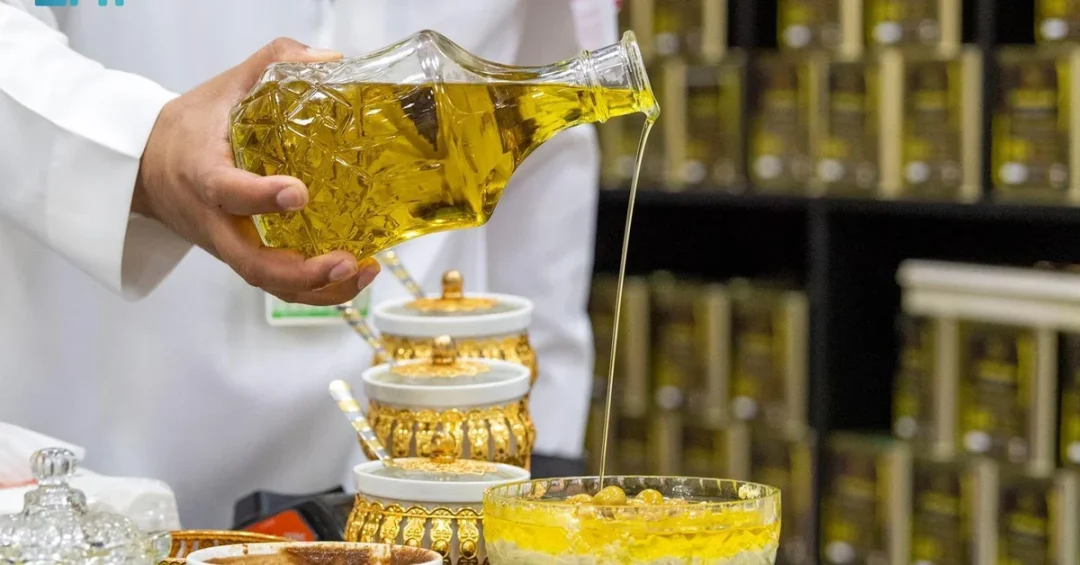
The 18th Al-Jouf International Olive Festival, held in Sakaka from January 2 to 12, 2025, has reinforced its status as a premier tourism and economic event for the Kingdom of Saudi Arabia. Organized at the Prince Abdullah Cultural Center, the festival has attracted significant domestic and international interest, drawing visitors, tourists, and investment to the Al-Jouf region. The event features local, regional, and international participants, including olive and oil producers, processing industries, companies, and agricultural associations, showcasing the region’s prominence in olive cultivation.
Context and Background
Al-Jouf is celebrated as the Kingdom’s “land of olives,” home to the world’s largest olive farm—recognized by the Guinness World Records—and boasting over 23 million trees. The region produces 150,000 tons of table olives annually, processed by approximately 30 local presses that yield premium olive oil. With over 16,000 olive farms and cultivation projects, Al-Jouf has become a cornerstone of Saudi Arabia’s agricultural sector and a key symbol of the nation’s commitment to sustainable development under Vision 2030.
Key Details
This year’s festival includes 45 farmers and five agricultural companies, along with the Al-Jouf Municipality laboratory, which has conducted over 2,100 tests on samples from participating farmers. These tests analyze over 40 tons of oil and seven tons of table olives for acidity, rancidity, and metal content. Products meeting these rigorous standards receive a certification label, confirming their safety and quality for display and sale. Festival CEO Omar bin Abdulaziz Al-Hamwan noted that the festival yields over 20,000 tons of oil annually, equivalent to 80% of the Kingdom’s total production. The international appeal is evident with participation from seven countries: Spain, Italy, Türkiye, Egypt, Jordan, Syria, and Palestine.
Cultural and Economic Impact
The festival also supports families working in cottage industries, entrepreneurs, and small businesses by providing dedicated spaces to showcase their products, fostering growth and expanding their reach to consumers and partners. Additionally, the event celebrates Saudi heritage and culture through folk art performances, the Saudi Ardah, traditional fashion, handicrafts such as Sadu weaving, plastic arts, poetry, and cultural evenings, reinforcing the region’s rich cultural identity.
Vision 2030 Alignment
The Al-Jouf International Olive Festival exemplifies Saudi Arabia’s strategy to diversify its economy and promote sustainable agriculture, tourism, and cultural heritage as outlined in Vision 2030. By fostering international partnerships, supporting local entrepreneurs, and enhancing quality standards, the festival contributes to the Kingdom’s goals of economic growth, rural development, and global engagement, positioning Al-Jouf as a model for agricultural tourism and innovation.
20 Questions
Q1. What is the Al-Jouf International Olive Festival?
A1. The Al-Jouf International Olive Festival is an annual event in Sakaka, Saudi Arabia, showcasing olive and olive oil production, featuring local and international participants, and promoting tourism and economic growth.
Q2. When and where is the 18th edition held?
A2. The 18th edition is held from January 2 to 12, 2025, at the Prince Abdullah Cultural Center in Sakaka, Al-Jouf region, Saudi Arabia.
Q3. Why is Al-Jouf known as the “land of olives”?
A3. Al-Jouf is known as the “land of olives” due to its Guinness World Record for the world’s largest olive farm and over 23 million olive trees producing 150,000 tons of table olives annually.
Q4. How much olive oil does the festival represent in Saudi production?
A4. The festival represents over 20,000 tons of olive oil annually, equivalent to 80% of the Kingdom’s total olive oil production.
Q5. Which countries participate in the festival?
A5. Seven countries participate: Spain, Italy, Türkiye, Egypt, Jordan, Syria, and Palestine, highlighting the event’s international appeal.
Q6. What quality testing is conducted at the festival?
A6. The Al-Jouf Municipality laboratory conducts over 2,100 tests on samples, analyzing acidity, rancidity, and metal content for oil and table olives. Products meeting standards receive a certification label.
Q7. How does the festival support local entrepreneurs?
A7. The festival provides dedicated spaces for families, entrepreneurs, and small businesses to showcase their products, fostering growth and expanding their reach to consumers and partners.
Q8. What cultural elements are featured?
A8. The festival features Saudi heritage through folk art performances, the Saudi Ardah, traditional fashion, handicrafts like Sadu weaving, plastic arts, poetry, and cultural evenings.
Q9. Who organizes the festival?
A9. The festival is organized under the leadership of CEO Omar bin Abdulaziz Al-Hamwan, with support from the Al-Jouf Municipality and other local authorities.
Q10. What is the economic impact of the festival?
A10. The festival attracts domestic and international visitors and investment, boosting tourism and supporting local agriculture, small businesses, and related industries.
Q11. How does the festival align with Vision 2030?
A11. The festival supports Vision 2030 by promoting economic diversification, sustainable agriculture, tourism, and cultural heritage, contributing to rural development and global engagement.
Q12. What types of products are showcased?
A12. Products include table olives, olive oil, processed olive products, and related goods from farmers, companies, and agricultural associations from Saudi Arabia and participating countries.
Q13. How many olive farms are in Al-Jouf?
A13. Al-Jouf has over 16,000 olive farms and cultivation projects, making it a leading olive-producing region in the Kingdom.
Q14. What is the role of the certification label?
A14. The certification label confirms that products have passed quality tests for safety, acidity, and purity, ensuring consumer trust and high standards.
Q15. How does the festival promote tourism?
A15. The festival attracts tourists through its cultural performances, exhibitions, and the unique experience of visiting the world’s largest olive farm, enhancing Al-Jouf’s tourism appeal.
Q16. Who are the main participants?
A16. Participants include 45 farmers, five agricultural companies, and international delegations from seven countries, along with local processing industries and associations.
Q17. What is the historical significance of olives in Al-Jouf?
A17. Olives have been cultivated in Al-Jouf for centuries, but the region’s modern prominence has grown with Vision 2030, turning it into a global olive hub.
Q18. How does the festival benefit the local community?
A18. It provides economic opportunities for families, entrepreneurs, and small businesses, while preserving cultural heritage and attracting visitors to the region.
Q19. Is the festival open to international visitors?
A19. Yes, the festival is open to international visitors and tourists, offering a chance to experience Saudi hospitality, culture, and world-class olive products.
Q20. What is the future outlook for the festival?
A20. The festival is expected to grow further, attracting more international participation and investment, solidifying Al-Jouf as a key destination for agricultural tourism under Vision 2030.
Reader Feedback
We value your thoughts. Please share your feedback on this article.
Your feedback helps us improve our coverage.