


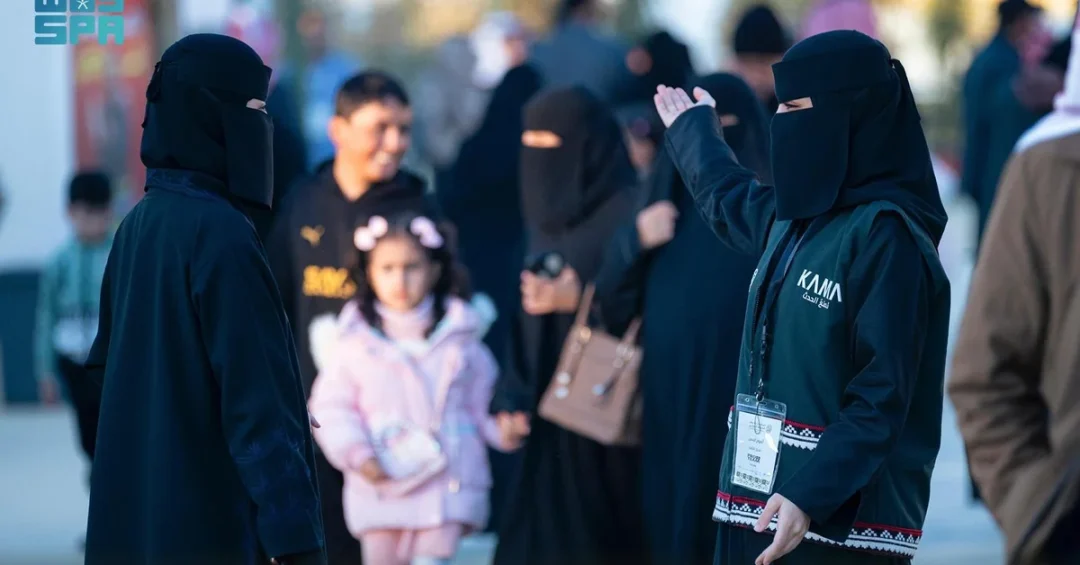
More than 150 volunteers are actively contributing to the success of the 18th Al-Jouf International Olive Festival, currently underway in Sakaka, the capital of the Al-Jouf region. The volunteers, drawn from the local community, are playing a vital role in organizing events, guiding visitors, and supporting the festival’s overall operations, according to official statements from the festival’s media committee.
Context and Background
The Al-Jouf International Olive Festival, now in its 18th edition, is a key annual event that highlights the agricultural heritage and economic potential of the Al-Jouf region. Known for its high-quality olive production, Al-Jouf has become a center of excellence in olive cultivation, contributing significantly to Saudi Arabia’s agricultural sector and food security goals. The festival attracts thousands of visitors, including international guests, to experience the region’s olive products, culinary traditions, and cultural festivities.
Key Details
Bushra Al-Ruwaili, the head of the festival’s media committee, confirmed that volunteers are essential to the smooth running of the festival. “The volunteers are crucial in organizing various festival events, guiding visitors, and supporting the organizing team,” she stated. Several volunteers have expressed enthusiasm, noting that participation provides a valuable opportunity for personal growth and skill development while contributing to a meaningful community event. Their efforts underscore the festival’s significance at both regional and national levels, as a platform to showcase Saudi agricultural achievements.
Implications and Impact
The active involvement of over 150 volunteers demonstrates the strong community engagement and civic spirit in Saudi Arabia. Such volunteerism supports the success of major events, strengthens social bonds, and promotes the region’s agricultural identity. The Al-Jouf International Olive Festival not only boosts local tourism and the olive industry but also enhances the Kingdom’s reputation as a hub for quality agricultural products, aligning with broader efforts to diversify the economy and promote sustainable development.
Vision 2030 Alignment
The volunteer-driven success of the Al-Jouf International Olive Festival exemplifies Saudi Arabia’s commitment to building a vibrant society and a thriving economy under Vision 2030. By empowering local communities, promoting agricultural excellence, and fostering tourism, the festival directly supports key Vision 2030 objectives, including economic diversification, food security, and community development. As the festival continues to grow, it serves as a model for how volunteer contributions can enhance the impact of national events, reinforcing the Kingdom’s forward-looking ambitions.
20 Questions
Q1. What is the Al-Jouf International Olive Festival?
A1. It is an annual event showcasing olive products and agricultural heritage from the Al-Jouf region, now in its 18th edition, held in Sakaka.
Q2. Where is the festival taking place?
A2. The festival is currently underway in Sakaka, the capital city of the Al-Jouf region in Saudi Arabia.
Q3. How many volunteers are participating?
A3. More than 150 volunteers are actively contributing to the organization and success of the festival.
Q4. Who announced the volunteer involvement?
A4. Bushra Al-Ruwaili, the head of the festival’s media committee, confirmed the volunteers’ role.
Q5. What roles do volunteers perform?
A5. They help organize events, guide visitors, and support the overall organizing team.
Q6. Why is the festival important for the Al-Jouf region?
A6. It highlights the region’s agricultural heritage, particularly its high-quality olive production, and boosts local tourism.
Q7. How does the festival support Saudi Vision 2030?
A7. It promotes economic diversification, food security, and community development, key goals of Vision 2030.
Q8. What benefits do volunteers report?
A8. They gain personal growth, acquire new skills, and contribute to a meaningful community event.
Q9. Is the festival open to international visitors?
A9. Yes, the festival attracts international guests, showcasing Saudi agricultural products globally.
Q10. What products are featured at the festival?
A10. The festival features olives, olive oil, and other olive-based products, along with local culinary traditions.
Q11. How long has the festival been running?
A11. The festival is now in its 18th edition, indicating a longstanding tradition in the region.
Q12. What is the main source of information for this article?
A12. The information is based on official statements from the Saudi Press Agency (SPA).
Q13. How does the festival impact local tourism?
A13. It attracts thousands of visitors, boosting local tourism and the economy of the Al-Jouf region.
Q14. What is the significance of Al-Jouf in olive cultivation?
A14. Al-Jouf is known for high-quality olive production and has become a center of excellence in olive cultivation.
Q15. Does the festival include cultural activities?
A15. Yes, the festival includes cultural festivities that complement the agricultural and culinary events.
Q16. How does volunteerism benefit the community?
A16. It strengthens social bonds, fosters civic spirit, and demonstrates community engagement in national events.
Q17. What is the role of the media committee?
A17. The media committee oversees communication and coordinates information, including announcements about volunteers.
Q18. Can volunteers acquire new skills at the festival?
A18. Yes, volunteers gain new skills through their involvement in organizing events and guiding visitors.
Q19. How does the festival align with food security goals?
A19. It promotes local olive production, supporting Saudi Arabia’s efforts to enhance agricultural output and food self-sufficiency.
Q20. What is the forward-looking significance of the festival?
A20. It serves as a model for volunteer contributions to major events, reinforcing the Kingdom’s ambitions under Vision 2030.
Reader Feedback
We value your thoughts. Please share your feedback on this article.
Your feedback helps us improve our coverage.