


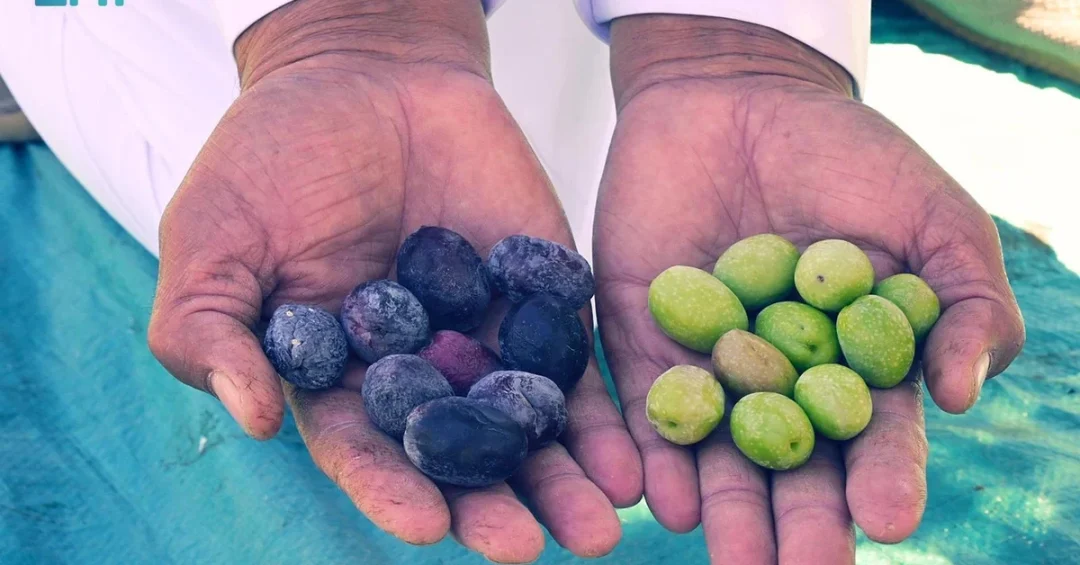
The AlUla governorate, renowned for its rich agricultural heritage and ideal climatic conditions, is emerging as a significant producer of high-quality olives, according to the Saudi Press Agency. With robust government support and the adoption of modern agricultural techniques, olive cultivation in the region has experienced substantial growth in recent years, marking a key development in Saudi Arabia’s agricultural sector.
Context and Background
AlUla, located in northwest Saudi Arabia, has long been celebrated for its fertile soil and suitable climate, which provide an optimal environment for olive trees to thrive. Historically an agricultural hub, the region is now leveraging its natural advantages to boost olive production as part of broader efforts to diversify the local economy and enhance food security. This initiative aligns with Saudi Arabia’s Vision 2030, which emphasizes sustainable agriculture and reducing dependence on food imports.
Key Details
Farmers in AlUla have embraced olive cultivation, recognizing its potential to diversify economic activities beyond traditional sectors. The Saudi government’s support has included investments in modern irrigation systems, pest management, and training programs for local farmers. These efforts have significantly improved crop yields and oil quality, positioning AlUla as a competitive player in the domestic and international olive oil markets.
Implications and Impact
As AlUla gains prominence as a global tourist destination, demand for local products, including olive oil, is steadily increasing. This growing market presents a valuable opportunity for local farmers to expand their operations and contribute to the region’s economic development. The rise of AlUla’s olive industry also strengthens Saudi Arabia’s agricultural exports, supports rural livelihoods, and showcases the kingdom’s commitment to sustainable development and food self-sufficiency.
Vision 2030 Alignment
The blossoming olive cultivation in AlUla exemplifies the success of Vision 2030’s goals to diversify the economy, develop rural areas, and promote sustainable agriculture. By investing in modern farming techniques and local value chains, Saudi Arabia is building a resilient agricultural sector that supports both economic growth and environmental stewardship. This initiative not only enhances food security but also positions the kingdom as a leader in innovative and sustainable agricultural practices on the global stage.
20 Questions
Q1. What is AlUla’s olive cultivation known for?
A1. AlUla’s olive cultivation is known for producing high-quality olives, thanks to its fertile soil, suitable climate, and the adoption of modern agricultural techniques. This has made the region a significant olive producer in Saudi Arabia.
Q2. How has government support boosted olive farming in AlUla?
A2. Government support has provided investments in modern irrigation systems, pest management, and training programs for local farmers. These initiatives have improved crop yields and oil quality, helping the industry grow sustainably.
Q3. Why is AlUla considered ideal for olive cultivation?
A3. AlUla’s fertile soil, suitable climate, and rich agricultural heritage create optimal conditions for olive trees to thrive. The region’s natural advantages make it an ideal location for high-quality olive production.
Q4. How does olive cultivation contribute to AlUla’s economy?
A4. Olive cultivation diversifies the local economy, creates jobs for farmers, and boosts demand for local products like olive oil. This supports economic development and enhances food security in the region.
Q5. What role does AlUla play in Saudi Arabia’s food security?
A5. AlUla’s olive industry strengthens national food security by producing high-quality olives domestically, reducing reliance on imports. This aligns with Saudi Arabia’s goal of sustainable agricultural self-sufficiency.
Q6. How are modern agricultural techniques used in AlUla’s olive farms?
A6. Modern techniques such as drip irrigation, advanced pest control, and soil management are employed to maximize yields and maintain olive quality. These methods also conserve water and support sustainable farming.
Q7. Is AlUla’s olive oil available internationally?
A7. Yes, AlUla’s olive oil is gaining recognition in international markets due to its high quality. The industry aims to expand exports as part of Saudi Arabia’s strategy to diversify non-oil exports.
Q8. How does olive cultivation align with Vision 2030?
A8. Olive cultivation supports Vision 2030 by diversifying the economy, promoting sustainable agriculture, and developing rural areas. It also enhances food security and reduces dependence on food imports.
Q9. What challenges do olive farmers in AlUla face?
A9. Challenges include water scarcity and extreme temperatures, which require efficient irrigation and careful farming practices. Ongoing government support helps address these issues for sustainable growth.
Q10. How is tourism linked to AlUla’s olive industry?
A10. As AlUla becomes a global tourist destination, demand for local olive oil and other products rises. This boosts sales for farmers and integrates agriculture with the region’s tourism economy.
Q11. What types of olives are grown in AlUla?
A11. AlUla grows a variety of olive species suited to the local climate, including those used for oil extraction and table olives. The focus is on high-quality varieties that thrive in the region.
Q12. How do farmers market AlUla’s olive products?
A12. Farmers market their products through local cooperatives, farmers’ markets, and partnerships with tourism ventures. Efforts are also underway to establish AlUla olive oil as a premium regional brand.
Q13. What is the historical significance of olive cultivation in AlUla?
A13. Olive cultivation has deep roots in AlUla’s agricultural heritage, dating back centuries. The region’s traditional farming practices have evolved with modern techniques to enhance quality and productivity.
Q14. How does the government train olive farmers in AlUla?
A14. The government provides training programs on modern irrigation, pest management, and sustainable farming. These workshops help farmers adopt best practices and improve their olive yields.
Q15. Can visitors experience olive farming in AlUla?
A15. Yes, visitors can tour olive farms in AlUla as part of agricultural tourism. This allows them to see the cultivation process and sample fresh olive products.
Q16. How does olive cultivation support the local economy?
A16. Olive farming creates jobs in cultivation, harvesting, and processing, boosting local income. It also stimulates demand for related services like packaging and logistics.
Q17. What is the future outlook for AlUla’s olive industry?
A17. The outlook is positive, with plans to expand plantation areas and boost production. Global demand for high-quality olive oil and growing tourism support continued growth.
Q18. How does AlUla compare to other olive-producing regions in Saudi Arabia?
A18. AlUla is emerging as a top producer due to its ideal climate and government support. While other regions grow olives, AlUla’s focus on quality and modern farming sets it apart.
Q19. Are there organic olive farms in AlUla?
A19. Yes, some farmers in AlUla are adopting organic practices, avoiding synthetic chemicals to produce natural olives. This aligns with global demand for healthy, eco-friendly products.
Q20. How does the environment benefit from AlUla’s olive cultivation?
A20. Olive trees help prevent soil erosion and support biodiversity in AlUla’s landscape. Sustainable farming methods like efficient irrigation also conserve water and reduce environmental impact.
Reader Feedback
We value your thoughts. Please share your feedback on this article.
Your feedback helps us improve our coverage.