


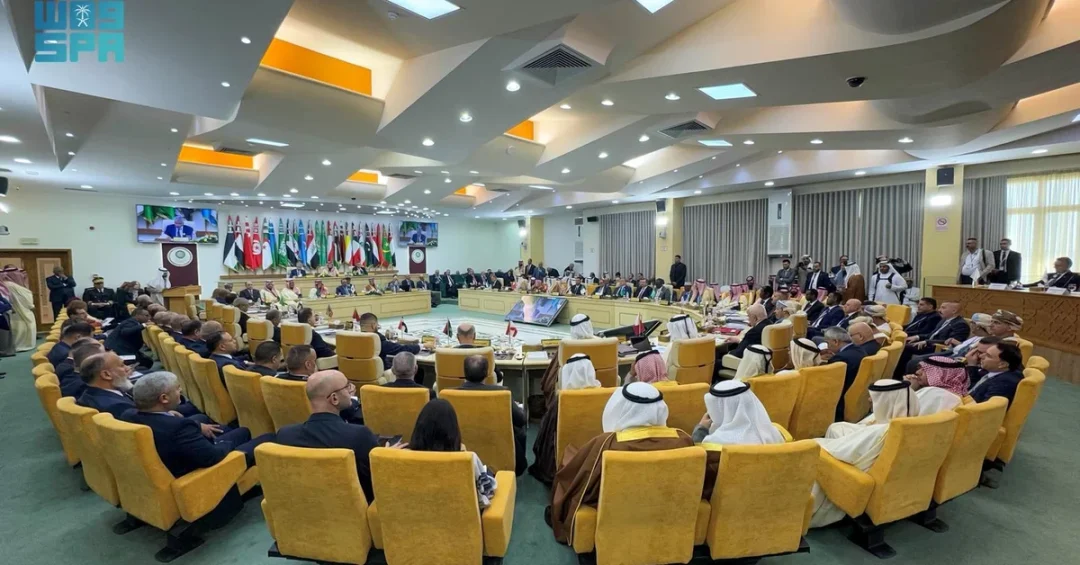
Saudi Minister of Interior Prince Abdulaziz bin Saud bin Naif bin Abdulaziz emphasized the deep-rooted Arab security alliance during the 42nd session of the Arab Interior Ministers Council, held in Tunis on February 17, 2025, under the patronage of Tunisian President Kais Saied. Speaking at the council, Prince Abdulaziz, who serves as Honorary President of the council, conveyed greetings from the Custodian of the Two Holy Mosques King Salman bin Abdulaziz Al Saud and Crown Prince Mohammed bin Salman bin Abdulaziz, expressing their hope that the meeting would further strengthen Arab cooperation in security matters.
Context and Background
The Arab Interior Ministers Council, established in 1982, serves as a key platform for coordinating security policies among Arab states. The 42nd session convened amid a rapidly changing regional landscape, with escalating challenges including transnational crime, terrorism, and cybersecurity threats. Prince Abdulaziz’s remarks underscored the council’s role in fostering collective security built on trust and cooperation. The Saudi delegation’s participation highlights the Kingdom’s leadership in regional security initiatives and its commitment to collaborative frameworks that address both current and future challenges.
Key Details from the Session
During his speech, Prince Abdulaziz noted that “this council embodies the depth of the Arab security alliance, built on trust and cooperation, in the face of rapid changes, overlapping crises, and challenges. Our security today is founded on the achievements of the past and the capabilities of the present to address current and future challenges.” He expressed deep gratitude to President Saied for his patronage and to the Tunisian people for their hospitality, as well as thanking Tunisian Interior Minister Khaled Nouri for facilitating the meeting. The prince also welcomed the newly appointed interior ministers joining the council for the first time.
Implications for Regional Security
The session reaffirmed the collective resolve of Arab interior ministries to combat evolving threats. By institutionalizing cooperation through regular councils and joint mechanisms, Arab states aim to enhance information sharing, operational coordination, and capacity building. Prince Abdulaziz’s leadership of the council signals Saudi Arabia’s central role in driving these efforts, leveraging its experience in security modernization and counterterrorism. The council’s outcomes are expected to influence regional policies on border security, cyber defense, and crisis management, contributing to stability across the Arab world.
Vision 2030 Alignment
The meeting aligns closely with Saudi Arabia’s Vision 2030, which prioritizes regional stability and international partnership as enablers of economic transformation. By championing robust security cooperation, the Kingdom supports a safe environment conducive to investment, tourism, and social development—key pillars of the vision. Prince Abdulaziz’s engagement at the council reflects Saudi Arabia’s strategic commitment to building resilient security architecture that protects citizens and supports sustainable growth, in line with the forward-looking goals of Vision 2030.
20 Questions
Q1. What was the main purpose of the 42nd session of the Arab Interior Ministers Council?
A1. The session aimed to strengthen cooperation among Arab interior ministries to address security challenges, including terrorism, cyber threats, and transnational crime, through collective action and trust-based alliances.
Q2. Who led the Saudi delegation at the council meeting?
A2. The Saudi delegation was led by Minister of Interior Prince Abdulaziz bin Saud bin Naif bin Abdulaziz, who also serves as the Honorary President of the Arab Interior Ministers Council.
Q3. What message did Prince Abdulaziz convey from Saudi leadership?
A3. He conveyed greetings from King Salman and Crown Prince Mohammed bin Salman, expressing their hope that the meeting would enhance Arab cooperation and security coordination.
Q4. Where and when was the 42nd session held?
A4. The session took place in Tunis, Tunisia, on February 17, 2025, under the patronage of Tunisian President Kais Saied.
Q5. Who is the Honorary President of the Arab Interior Ministers Council?
A5. Prince Abdulaziz bin Saud bin Naif bin Abdulaziz, the Saudi Minister of Interior, holds the position of Honorary President of the council.
Q6. What key phrase did Prince Abdulaziz use to describe the Arab security alliance?
A6. He described it as “depth of the Arab security alliance, built on trust and cooperation,” highlighting its foundation for facing rapid changes and crises.
Q7. What challenges did Prince Abdulaziz mention in his speech?
A7. He referenced rapid changes, overlapping crises, and challenges that require a unified security approach based on past achievements and present capabilities.
Q8. How did Prince Abdulaziz express gratitude to Tunisia?
A8. He thanked President Saied for his patronage, the Tunisian people for their hospitality, and Interior Minister Khaled Nouri for facilitating the meeting’s success.
Q9. Who else did Prince Abdulaziz welcome at the council?
A9. He welcomed the ministers who have recently joined the Arab Interior Ministers Council, signaling openness to expanded cooperation.
Q10. How does the council contribute to Arab security?
A10. It provides a platform for coordinating policies, sharing intelligence, and developing joint strategies to combat security threats across the Arab region.
Q11. What is the significance of Saudi Arabia’s role in the council?
A11. Saudi Arabia’s leadership underscores its commitment to regional stability and its capacity to drive collaborative security initiatives, leveraging its experience in modernization.
Q12. How does this session relate to Vision 2030?
A12. The session supports Vision 2030 by promoting regional stability, which is essential for economic diversification, investment, and social development goals.
Q13. What are some expected outcomes of the council?
A13. Outcomes include enhanced information sharing, joint capacity building, and coordinated policies on border security, cyber defense, and crisis management.
Q14. How does the council address cybersecurity threats?
A14. Through collaborative frameworks, the council facilitates sharing of best practices and technologies to protect critical infrastructure and combat cybercrime.
Q15. Why is trust important in Arab security cooperation?
A15. Trust enables open dialogue, effective intelligence sharing, and seamless operational coordination, which are vital for tackling complex transnational threats.
Q16. What historical context supports the council’s work?
A16. Founded in 1982, the council has a long history of fostering collective security, adapting to evolving threats while building on past achievements.
Q17. What role does Tunisia play in the council?
A17. Tunisia hosted and presided over the 42nd session, demonstrating its commitment to regional security and its active role in Arab cooperation.
Q18. How does the council involve new member states?
A18. Newly appointed ministers are welcomed and integrated into the council’s work, ensuring continuity and fresh perspectives in security governance.
Q19. What is the connection between security and economic development?
A19. Stability creates a safe environment for investment, tourism, and trade, which are essential for economic growth and prosperity under Vision 2030.
Q20. What is the long-term vision for the Arab security alliance?
A20. The alliance aims to build a resilient security architecture capable of addressing emerging threats, ensuring the safety of citizens, and supporting sustainable development across the Arab world.
Reader Feedback
We value your thoughts. Please share your feedback on this article.
Your feedback helps us improve our coverage.