


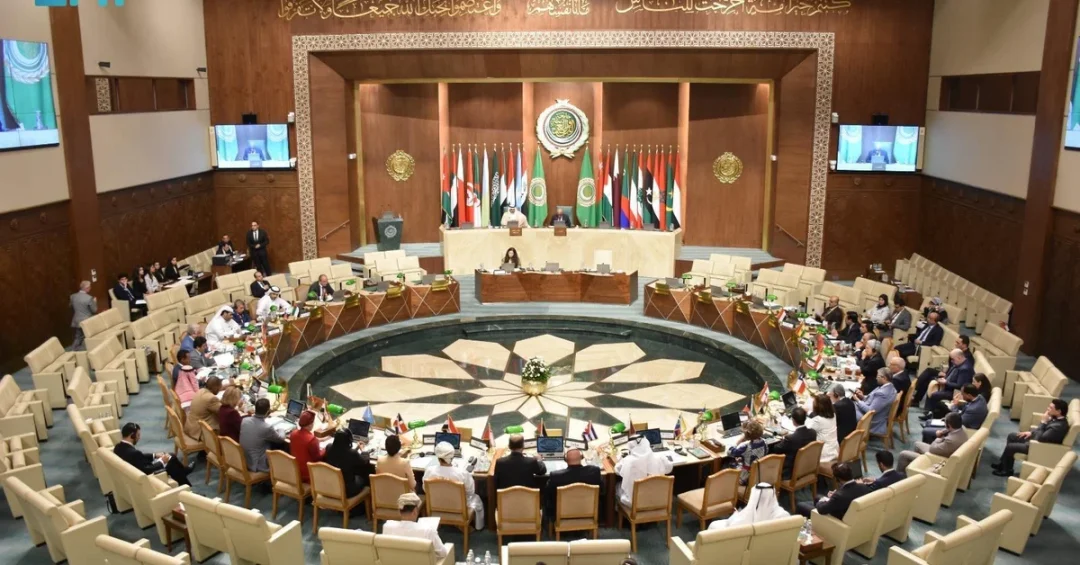
The Arab League Council convened a meeting at the level of permanent delegates on Palestine with ambassadors and representatives of Latin American and Caribbean countries in Cairo on September 12, 2024. The session, chaired by Permanent Representative of Yemen to the Arab League Ambassador Riyad Al-Akbari, focused on bolstering international support for Palestinian rights and the pursuit of full United Nations membership for the State of Palestine.
Context and Background
This high-level meeting underscores the enduring historical ties between Arab nations and Latin American and Caribbean states. Participants emphasized the importance of sustained collaboration on key geopolitical issues, particularly the Palestinian cause. The discussions built upon the momentum generated by the United Nations General Assembly resolution of May 2024, which recognized Palestine’s right and eligibility for full UN membership, marking a significant step in the international diplomatic arena.
Key Details and Diplomatic Engagement
During the meeting, both sides reaffirmed their unwavering support for the inalienable rights of the Palestinian people. These include the right to self-determination, the right of return, and the establishment of an independent Palestinian state based on the 1967 borders. The delegates stressed the urgent need for a peaceful resolution to the Israeli occupation and the broader Arab-Israeli conflict, in accordance with relevant international agreements and United Nations resolutions. The Arab League expressed its deep appreciation for the steadfast positions of most Latin American and Caribbean countries in defending just causes within international forums.
Implications and International Impact
The gathering signals a strengthened diplomatic axis between the Arab world and Latin America, aimed at amplifying the call for Palestinian statehood. By coordinating positions and activating the May 2024 UN resolution, these states seek to apply consistent pressure for a two-state solution. This cooperative approach reinforces the role of multilateral diplomacy in advancing regional stability and upholding international law, reflecting a shared commitment to peaceful conflict resolution.
Vision 2030 Alignment
This diplomatic meeting aligns with the Kingdom of Saudi Arabia’s Vision 2030, which prioritizes regional peace, stability, and international cooperation as foundations for sustainable development and economic growth. By supporting such initiatives, Saudi Arabia reinforces its leadership role in fostering constructive dialogue and advancing just causes that contribute to a more secure and prosperous Middle East. Such efforts are integral to creating an environment conducive to long-term investment and cultural exchange, further embedding the Kingdom as a hub for global engagement.
20 Questions
Q1. What was the main purpose of the Arab League meeting with Latin American and Caribbean states?
A1. The meeting aimed to discuss continued support for Palestinian rights, including full UN membership for the State of Palestine, and to strengthen diplomatic coordination between Arab and Latin American countries.
Q2. When and where did this meeting take place?
A2. The meeting was held at the Arab League Council headquarters in Cairo on September 12, 2024, at the level of permanent delegates.
Q3. Who chaired the meeting?
A3. The meeting was chaired by Ambassador Riyad Al-Akbari, the Permanent Representative of Yemen to the Arab League.
Q4. Which key UN resolution was highlighted during the discussions?
A4. Participants highlighted the UN General Assembly resolution of May 2024, which recognizes Palestine’s right and eligibility for full UN membership.
Q5. What are the inalienable rights of Palestinians that were reaffirmed?
A5. The inalienable rights include self-determination, the right of return, and the establishment of an independent Palestinian state on the 1967 borders.
Q6. How did the Arab League view the positions of Latin American and Caribbean countries?
A6. The Arab League expressed appreciation for the steadfast positions of most Latin American and Caribbean countries in defending just causes in international forums.
Q7. What is the significance of the 1967 borders in the discussion?
A7. The 1967 borders are referenced as the basis for a future independent Palestinian state, in line with international agreements and the two-state solution.
Q8. What broader conflict was addressed in the meeting?
A8. The meeting addressed the Arab-Israeli conflict and the need for a peaceful resolution to the Israeli occupation of Palestinian territories.
Q9. How does Saudi Arabia’s Vision 2030 relate to this meeting?
A9. Vision 2030 prioritizes regional stability and international cooperation, and Saudi Arabia’s support for such diplomatic efforts aligns with its goals for a peaceful and prosperous Middle East.
Q10. Was the meeting attended by representatives from all Arab League members?
A10. The meeting was held at the level of permanent delegates, representing Arab League member states, with ambassadors and representatives from Latin American and Caribbean countries in Egypt.
Q11. What role did the Permanent Representative of Yemen play?
A11. Ambassador Riyad Al-Akbari of Yemen chaired the meeting, reflecting the Arab League’s rotational leadership and collaborative approach.
Q12. Why is full UN membership for Palestine considered important?
A12. Full UN membership would grant Palestine equal standing in the international community, strengthening its diplomatic capacity and legal rights under international law.
Q13. How does this meeting support the two-state solution?
A13. By reaffirming support for an independent Palestinian state on the 1967 borders, the meeting reinforces the two-state solution as the pathway to resolving the conflict.
Q14. What are the historical ties between Arab and Latin American countries?
A14. The ties include shared cultural heritage, economic cooperation, and diplomatic solidarity on issues like Palestinian rights, rooted in decades of mutual engagement.
Q15. Does this meeting signal a new diplomatic initiative?
A15. Yes, it signals a coordinated effort to activate the May 2024 UN resolution and build momentum for Palestinian statehood through inter-regional diplomacy.
Q16. What is the May 2024 UN resolution about?
A16. The resolution recognizes Palestine’s right and eligibility for full UN membership, recommending that the Security Council reconsider its application favorably.
Q17. How many Latin American and Caribbean states were represented?
A17. The meeting included ambassadors and representatives of Latin American and Caribbean countries based in Egypt, though exact numbers were not specified in the source.
Q18. What was the outcome of the meeting?
A18. The outcome was a reaffirmed commitment to support Palestinian rights and coordinate diplomatic actions to advance full UN membership for Palestine.
Q19. How does this align with international law?
A19. The meeting’s focus on peaceful resolution and Palestinian rights aligns with UN resolutions and international humanitarian law regarding self-determination and statehood.
Q20. What is the next step after this meeting?
A20. Further diplomatic engagements at the UN and other international forums are expected to build on the coordination established, aiming to advance the Palestinian bid for full membership.
Reader Feedback
We value your thoughts. Please share your feedback on this article.
Your feedback helps us improve our coverage.