


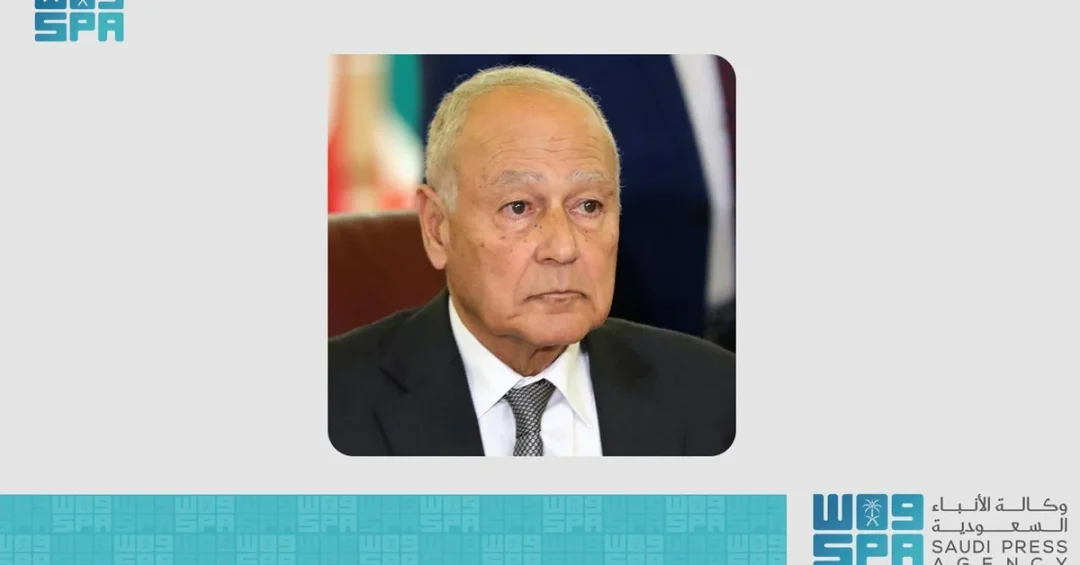
The League of Arab States, under the leadership of Secretary-General Ahmed Aboul Gheit, has reaffirmed its commitment to strengthening partnerships with Euro-Mediterranean countries, emphasizing science diplomacy as a key driver for regional cooperation and sustainable development. Speaking at the high-level international conference on science diplomacy, held at the Arab League headquarters in Cairo, Aboul Gheit outlined the organization’s vision for collaborative scientific and diplomatic engagement with the Union for the Mediterranean and the European Union.
Context and Background
This conference, convened at a time of global challenges, highlights the evolving role of diplomacy in addressing complex transnational issues. The Arab League, a cornerstone of regional coordination since 1945, has increasingly focused on science diplomacy as a platform to bridge political divides and foster mutual understanding. The meeting brought together officials and experts to explore how scientific cooperation can reinforce existing ties between Arab states and their Mediterranean neighbors, building on longstanding historical and cultural links.
Key Details of the Conference
In his address, Aboul Gheit stressed that science diplomacy now extends to critical areas, including environmental policy, climate change mitigation, and sustainable development—fields where international consensus is essential. He noted, “The role of diplomacy extends and expands to inhabit new fields such as the environment, climate change, and sustainable development, all of which are domains in which the interests of countries conflict and require diplomatic skill to reach compromises that satisfy countries and serve the interests of all humanity.” Additionally, he highlighted artificial intelligence (AI) as a domain requiring constructive negotiation between nations, international organizations, and scientific bodies to ensure its responsible use. The Secretary-General of the Union for the Mediterranean, Nasser Kamel, expressed optimism that the conference would provide a platform for reflection and cooperation, enhancing exchanges and building capacities for the benefit of all participating states, including Saudi Arabia.
Implications and International Impact
The conference underscores the growing importance of science diplomacy as a tool for soft power in the Mediterranean region. By fostering collaboration in areas like food security, biodiversity preservation, and global health, the Arab League and its partners aim to create a stable framework for joint action. This approach aligns with broader international efforts to address shared challenges through multilateral dialogue, reinforcing the role of regional organizations in global governance. For Saudi Arabia and other member states, such initiatives open new avenues for scientific exchange and economic diversification.
20 Questions
Q1. What is the main focus of the conference?
A1. The conference focuses on science diplomacy, aiming to strengthen partnerships between Arab League states and Euro-Mediterranean countries through scientific and diplomatic cooperation.
Q2. Who delivered the opening speech at the conference?
A2. The opening speech was delivered by Ahmed Aboul Gheit, Secretary-General of the League of Arab States, at the organization’s headquarters in Cairo.
Q3. What is the Union for the Mediterranean?
A3. It is an intergovernmental organization that promotes cooperation and dialogue among Euro-Mediterranean countries, focusing on regional stability and development.
Q4. How does science diplomacy benefit Arab League members?
A4. Science diplomacy fosters collaboration in critical areas like climate change, food security, and health, helping member states access expertise and build partnerships.
Q5. What role does AI play in the discussions?
A5. AI was highlighted as a field requiring international negotiation to harness its benefits for humanity while mitigating risks from uncontrolled use.
Q6. Which organization co-chairs the conference?
A6. The conference was organized by the League of Arab States in cooperation with the Union for the Mediterranean and the European Union.
Q7. Why is food security mentioned in the context?
A7. Food security is a global challenge where diplomatic skill is needed to reach compromises that serve the interests of all nations.
Q8. How does this conference support Vision 2030?
A8. The conference supports Saudi Arabia’s Vision 2030 by opening doors for scientific exchange, capacity building, and economic diversification through partnerships.
Q9. What was Nasser Kamel’s role at the event?
A9. Nasser Kamel, as Secretary-General of the Union for the Mediterranean, expressed hope for cooperation in establishing a new vision for science diplomacy.
Q10. What is the significance of environmental diplomacy?
A10. Environmental diplomacy addresses conflicts over climate and resources, requiring skill to balance national interests and global humanitarian needs.
Q11. How many member states does the Arab League have?
A11. The Arab League comprises 22 member states from the Middle East and North Africa, including Saudi Arabia.
Q12. What is the goal of capacity building at the conference?
A12. Capacity building aims to strengthen networks and stimulate joint actions between Arab and Euro-Mediterranean institutions.
Q13. When was the conference held?
A13. The high-level conference took place on October 2, 2024, at the Arab League headquarters in Cairo.
Q14. What global challenges did Aboul Gheit mention?
A14. He mentioned global epidemics, food security, climate change, and biodiversity preservation as areas needing diplomatic solutions.
Q15. How does the conference promote regional stability?
A15. By fostering scientific cooperation, the conference builds trust and mutual understanding among Mediterranean and Arab nations.
Q16. What is science diplomacy?
A16. Science diplomacy uses scientific collaboration to improve international relations, address shared challenges, and build cross-border partnerships.
Q17. Why is the European Union involved?
A17. The EU is a key partner in promoting regional stability and economic growth through cooperative projects with the Arab League.
Q18. What is the Arab League’s vision for this initiative?
A18. The Arab League aims to create successful partnerships in scientific and diplomatic fields for mutual benefit and global advancement.
Q19. How does this affect Saudi Arabian researchers?
A19. Saudi researchers gain access to international networks and funding opportunities, supporting innovation and knowledge transfer under Vision 2030.
Q20. What is the expected outcome of the conference?
A20. The outcome is a strengthened framework for science diplomacy, enabling collaborative responses to global issues and enhancing regional cooperation.
Vision 2030 Alignment
This conference directly supports the Kingdom of Saudi Arabia’s Vision 2030, which emphasizes innovation, international collaboration, and sustainable development as pillars of a diversified economy. By engaging in science diplomacy, Saudi Arabia strengthens its role as a global hub for knowledge exchange, aligning with its ambitions to build a vibrant society and a thriving economy. The outcomes of this partnership are expected to yield long-term benefits for the Kingdom and the wider region, reinforcing peace and prosperity through shared scientific progress.
Reader Feedback
We value your thoughts. Please share your feedback on this article.
Your feedback helps us improve our coverage.