


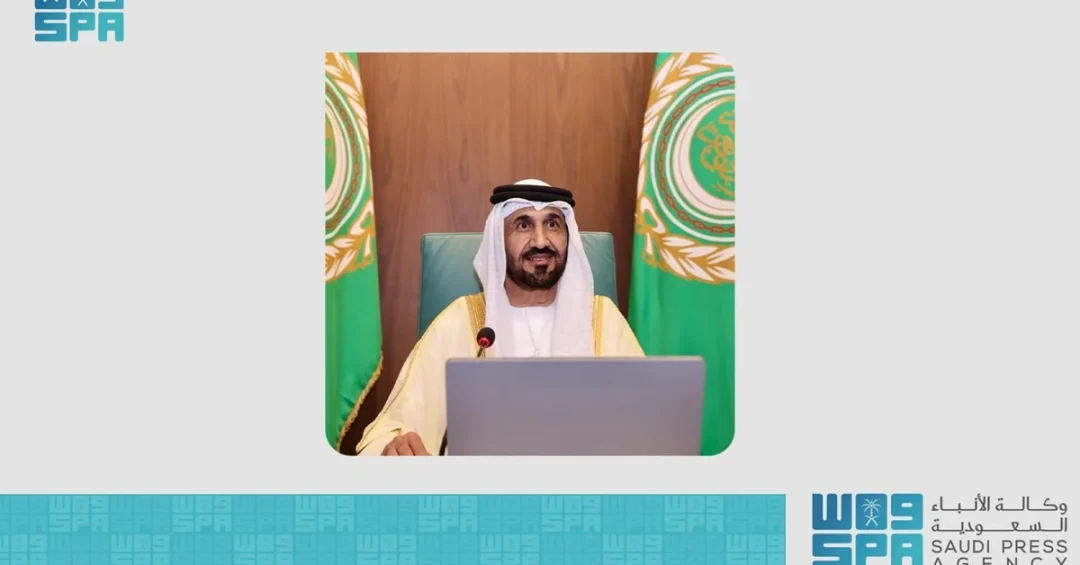
The Arab Parliament has condemned extremist statements by an Israeli official seeking to impose sovereignty over the West Bank, warning that such rhetoric threatens regional stability and violates international law. In a statement released on November 13, 2024, via the Saudi Press Agency, Arab Parliament Speaker Mohammed Ahmed Al Yamahi emphasized the serious implications of the remarks, which he said undermine peace efforts and violate United Nations resolutions.
Context and Background
The condemnation comes amid ongoing tensions in the occupied Palestinian territories, where settlement expansion and sovereignty claims have repeatedly drawn international criticism. The Arab Parliament, as a legislative body representing Arab states, has consistently advocated for Palestinian rights and adherence to UN resolutions, including Security Council Resolution 2334, which explicitly condemns Israeli settlement activities in occupied territories.
Key Details
Speaker Al Yamahi highlighted that the extremist statements constitute a blatant violation of international law, particularly UN Security Council Resolution 2334, which prohibits actions altering the demographic status of Palestinian territories occupied since 1967, including Jerusalem. He stressed that all Israeli settlement activities in these areas are illegal under international law, citing an advisory opinion from the International Court of Justice that reaffirmed the illegality of the occupation and its settlements. He reiterated, “Israel holds no sovereignty over these areas.”
International Implications
The remarks call on the international community and the UN Security Council to take decisive measures to prevent the implementation of such plans. Al Yamahi warned that these actions would jeopardize peace efforts, heighten regional tensions, worsen the plight of the Palestinian people, and diminish the prospects for a two-state solution. The Arab Parliament’s stance aligns with broader international consensus supporting a negotiated resolution to the Israeli-Palestinian conflict.
20 Questions
Q1. What did the Arab Parliament condemn?
A1. The Arab Parliament condemned extremist statements by an Israeli official aiming to impose sovereignty over the West Bank, labeling them a serious threat to regional stability and international law.
Q2. Who made the statement on behalf of the Arab Parliament?
A2. The statement was made by Arab Parliament Speaker Mohammed Ahmed Al Yamahi, as reported by the Saudi Press Agency.
Q3. Why is this condemnation significant?
A3. It highlights the unified stance of Arab states against unilateral actions that violate international law and undermine prospects for peace, reinforcing calls for adherence to UN resolutions.
Q4. What UN resolution was cited?
A4. The Arab Parliament cited UN Security Council Resolution 2334, which condemns Israeli settlement activities in occupied Palestinian territories, including East Jerusalem.
Q5. What does Resolution 2334 specifically address?
A5. Resolution 2334 condemns actions that alter the demographic makeup, character, and status of Palestinian territories occupied since 1967, particularly East Jerusalem.
Q6. What did Speaker Al Yamahi say about Israeli settlements?
A6. He emphasized that all Israeli settlement activities in occupied Palestinian territories, including Jerusalem, are illegal under international law.
Q7. What court opinion was referenced?
A7. The International Court of Justice’s advisory opinion was cited, which reaffirmed the illegality of the Israeli occupation and its settlements, categorizing them as occupied Palestinian territory.
Q8. Did the Arab Parliament claim sovereignty for Israel?
A8. No, Speaker Al Yamahi reiterated that Israel holds no sovereignty over the West Bank or other occupied Palestinian territories.
Q9. What action did the Arab Parliament call for?
A9. It called on the international community and the UN Security Council to take decisive and robust measures to prevent the execution of such sovereignty plans.
Q10. How does this affect peace efforts?
A10. The statements are seen as jeopardizing peace efforts, heightening tensions, and worsening the plight of the Palestinian people, while reducing prospects for a two-state solution.
Q11. What is the Arab Parliament?
A11. The Arab Parliament is the legislative body of the Arab League, representing member states in regional political and diplomatic matters.
Q12. Why is the Israeli-Palestinian conflict relevant to Saudi Arabia?
A12. Saudi Arabia supports a just resolution to the conflict as part of its Vision 2030 goals for regional stability and peace, advocating for Palestinian rights within international frameworks.
Q13. What is the two-state solution?
A13. The two-state solution proposes an independent State of Palestine living side by side in peace with Israel, based on pre-1967 borders, as supported by many international bodies.
Q14. Who received the condemnation from the Arab Parliament?
A14. The condemnation was directed at the occupying entity’s official, whose extremist statements provoked the response, though the individual’s name was not specified in the statement.
Q15. How does international law view Israeli settlements?
A15. International law, including the Fourth Geneva Convention, prohibits an occupying power from transferring its civilian population into occupied territories, deeming settlements illegal.
Q16. What is the role of the UN Security Council?
A16. The UN Security Council is responsible for maintaining international peace and security, and can adopt binding resolutions to address actions that threaten stability.
Q17. Could this condemnation impact regional diplomacy?
A17. Yes, it reinforces Arab solidarity on Palestinian issues and may influence diplomatic discussions, including those involving normalization efforts and peace negotiations.
Q18. Is this statement part of a broader pattern?
A18. The Arab Parliament regularly issues statements on Palestinian rights, reflecting ongoing concerns about Israeli policies in occupied territories.
Q19. What is the likely response from Israel?
A19. Israel typically rejects such condemnations, asserting its security needs and historical claims, but these statements signal international opposition to its policies.
Q20. Where can I find official updates on this issue?
A20. Official updates are released by the Saudi Press Agency and the Arab Parliament, providing authoritative information on regional diplomatic positions and developments.
Vision 2030 Alignment
This condemnation aligns with Saudi Arabia’s Vision 2030 goals of promoting regional stability and peaceful coexistence. By supporting international law and the two-state solution, the Kingdom reinforces its role as a diplomatic leader committed to just resolutions that foster long-term peace and prosperity in the Middle East, underpinning its broader ambitions for economic and social transformation.
Reader Feedback
We value your thoughts. Please share your feedback on this article.
Your feedback helps us improve our coverage.