


Riyadh, November 28, 2024 — Art of Heritage, a prominent non-profit organization dedicated to preserving and promoting Saudi Arabia’s cultural legacy, is participating in the Saudi International Handicrafts Week Exhibition (Banan). With a history spanning over three decades, the organization showcases a diverse collection of over 57,000 heritage pieces, ranging from traditional textiles to ancient jewelry, highlighting the Kingdom’s rich cultural tapestry.
Context and Background
Art of Heritage has long been a cornerstone of the Saudi cultural scene, actively working to safeguard traditional crafts and knowledge. The Banan exhibition provides a vital platform for cultural organizations and artisans to present their work to an international audience, reinforcing Saudi Arabia’s commitment to cultural preservation under Vision 2030. The event aligns with broader efforts to promote the Kingdom’s heritage as a source of national pride and economic opportunity.
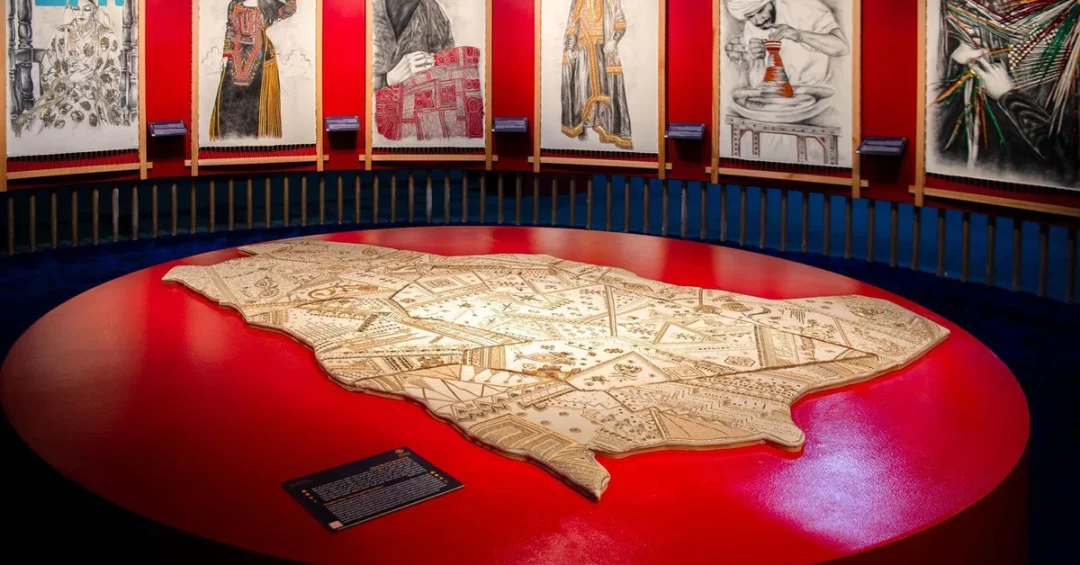
Among the highlights of Art of Heritage’s display is an embroidered map of the Kingdom, which features traditional embroidery techniques such as chain stitch, pyramid stitch, and zigzag stitch. Each region of the Kingdom is represented through unique cultural patterns, from traditional attire to ancient jewelry, demonstrating the diversity and depth of Saudi heritage.
Key Details and Contributions
Beyond its role as a collector and curator, Art of Heritage actively contributes to the revitalization of Saudi heritage. The organization operates a fashion house that reinterprets traditional clothing, blending authenticity with contemporary style. This innovative approach positions Art of Heritage as a platform for creative expression and cultural innovation, bridging the past with the present.
Furthermore, Art of Heritage is committed to nurturing future generations of artisans. The organization offers handicraft training programs for young people, women, and people with disabilities, empowering them with valuable skills and opening new avenues for economic opportunity. These initiatives align with Vision 2030’s goals of fostering human capital development and inclusive economic growth.
Implications and Impact
The participation of Art of Heritage in Banan underscores the growing global interest in Saudi Arabia’s cultural sector. By preserving and promoting traditional crafts, the organization helps sustain livelihoods for artisans and ensures that intangible heritage is passed down to future generations. This work also enhances the Kingdom’s cultural diplomacy, projecting an image of a nation that values its history while embracing modernity.
20 Questions
Q1. What is Art of Heritage?
A1. Art of Heritage is a non-profit organization focused on preserving and promoting Saudi Arabia’s cultural heritage, operating for over three decades and showcasing over 57,000 heritage pieces.
Q2. Where is Art of Heritage currently exhibiting?
A2. The organization is participating in the Saudi International Handicrafts Week Exhibition (Banan) in Riyadh, presenting its collection to local and international visitors.
Q3. What is the Banan exhibition?
A3. Banan is a major handicrafts week exhibition that provides a platform for cultural organizations and artisans to showcase traditional crafts, supporting Saudi Arabia’s cultural preservation goals.
Q4. What is the highlight of Art of Heritage’s display at Banan?
A4. A key highlight is an embroidered map of the Kingdom, featuring traditional stitching techniques and regional cultural patterns representing each area of Saudi Arabia.
Q5. What embroidery techniques are used on the map?
A5. The map features chain stitch, pyramid stitch, and zigzag stitch, reflecting traditional Saudi handicraft skills passed down through generations.
Q6. How does Art of Heritage preserve Saudi heritage?
A6. The organization collects, curates, and documents over 57,000 heritage pieces, including textiles, jewelry, and traditional attire, ensuring their preservation for future generations.
Q7. Does Art of Heritage create modern designs?
A7. Yes, the organization operates a fashion house that reinterprets traditional clothing by blending authenticity with contemporary style, promoting cultural innovation.
Q8. Who can participate in Art of Heritage’s training programs?
A8. The organization offers training programs for young people, women, and people with disabilities, empowering them with handicraft skills for economic opportunities.
Q9. Is Art of Heritage a for-profit organization?
A9. No, Art of Heritage is a non-profit organization that allocates its resources to educational and training initiatives rather than commercial profit.
Q10. How does Art of Heritage support economic opportunity?
A10. By training artisans in traditional crafts, the organization helps them develop marketable skills, creating income-generating opportunities aligned with Vision 2030.
Q11. What is Vision 2030’s role in cultural preservation?
A11. Vision 2030 emphasizes cultural heritage as a pillar of national identity and economic diversification, supporting initiatives like Art of Heritage to preserve traditions.
Q12. How does Art of Heritage contribute to women’s empowerment?
A12. The organization provides handicraft training specifically for women, offering them skills and pathways to economic independence and professional growth.
Q13. What types of heritage pieces does Art of Heritage collect?
A13. The collection includes traditional attire, textiles, jewelry, and artifacts from all regions of the Kingdom, documenting diverse cultural practices.
Q14. How does Art of Heritage engage with young people?
A14. The organization runs training programs for youth, teaching them traditional handicraft techniques to foster appreciation and skills in cultural preservation.
Q15. What is the significance of the embroidered map?
A15. The map visually represents Saudi Arabia’s regional diversity through traditional embroidery, serving as a symbol of national unity and cultural richness.
Q16. Does Art of Heritage work with people with disabilities?
A16. Yes, the organization offers inclusive training programs for people with disabilities, ensuring equal access to skill development and economic participation.
Q17. How does fashion relate to Art of Heritage’s mission?
A17. The fashion house reinterprets traditional clothing for modern audiences, keeping heritage alive by making it relevant and accessible in contemporary settings.
Q18. Why is handicraft preservation important for Saudi Arabia?
A18. Preserving handicrafts maintains cultural identity, supports artisan livelihoods, and promotes sustainable tourism, aligning with Vision 2030’s cultural and economic goals.
Q19. How long has Art of Heritage been active?
A19. Art of Heritage has been preserving and promoting Saudi heritage for over three decades, establishing itself as a key cultural institution in the Kingdom.
Q20. Where can one learn more about Art of Heritage?
A20. Information about Art of Heritage can be obtained through the Saudi Press Agency (SPA) and official announcements related to cultural events like the Banan exhibition.
Vision 2030 Alignment
Art of Heritage’s participation in Banan directly supports Saudi Vision 2030 by fostering cultural preservation, empowering local artisans, and promoting heritage as a driver of economic diversification and tourism. The organization’s training programs for youth, women, and people with disabilities align with the Vision’s goals of inclusive growth and human capital development. By bridging tradition and modernity, Art of Heritage helps ensure that Saudi Arabia’s rich past continues to enrich its future, contributing to a vibrant cultural landscape that attracts global attention and investment.
Reader Feedback
We value your thoughts. Please share your feedback on this article.
Your feedback helps us improve our coverage.