


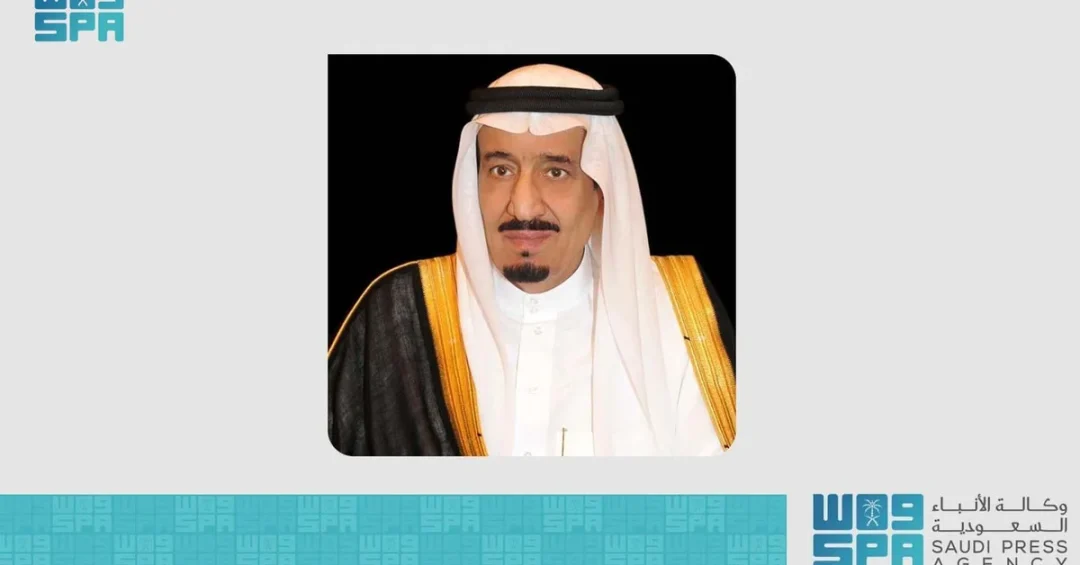
The Custodian of the Two Holy Mosques King Salman bin Abdulaziz Al Saud arrived in Riyadh on August 28, 2024, after departing from Jeddah, according to an official announcement from the Saudi Press Agency (SPA). The monarch was received at King Khalid International Airport by Riyadh Region Deputy Governor Prince Mohammed bin Abdulrahman bin Abdulaziz, marking a routine yet symbolically significant movement between two of the Kingdom’s key cities.
Context and Background
The travel of King Salman between Jeddah and Riyadh reflects the ongoing administrative and ceremonial functions of the Saudi leadership. Jeddah, a major commercial hub on the Red Sea, often serves as a summer destination for government business and diplomatic engagements, while Riyadh stands as the political and administrative capital. The arrival in Riyadh signals a return to the center of governance, where the King continues to oversee national development initiatives under Vision 2030.
Key Details
According to the Saudi Press Agency, the Custodian of the Two Holy Mosques was accompanied by several princes and senior officials on his trip. He was seen off at King Abdulaziz International Airport in Jeddah by Deputy Governor of Makkah Region Prince Saud bin Mishal bin Abdulaziz. The official reception in Riyadh was conducted with full protocols, emphasizing the seamless coordination between different regions of the Kingdom.
Implications and Impact
The movement of the Saudi leadership between major cities underscores the Kingdom’s stable governance and the continuity of state operations. This travel is part of routine administrative scheduling that allows the King to engage with various regional officials and stakeholders, fostering unity and effective management across the country. It also highlights the advanced infrastructure of Saudi airports and the efficiency of royal travel logistics, which support both domestic and international engagements.
Vision 2030 Alignment
King Salman’s return to Riyadh reinforces the central role of the capital in driving Vision 2030, Saudi Arabia’s ambitious plan to diversify the economy and enhance quality of life. The seamless integration of travel and governance reflects the Kingdom’s commitment to modernizing its administrative processes and infrastructure, aligning with the goals of creating a vibrant society and a thriving economy. This event, while routine, exemplifies the stability and forward-looking leadership that underpin Saudi Arabia’s progress toward a prosperous future.
20 Questions
Q1. Who arrived in Riyadh on August 28, 2024?
A1. The Custodian of the Two Holy Mosques King Salman bin Abdulaziz Al Saud arrived in Riyadh on August 28, 2024, from Jeddah, as reported by the Saudi Press Agency.
Q2. Where did King Salman depart from before arriving in Riyadh?
A2. King Salman departed from Jeddah, specifically from King Abdulaziz International Airport, before arriving in Riyadh at King Khalid International Airport.
Q3. Who received King Salman at King Khalid International Airport in Riyadh?
A3. The monarch was received by Riyadh Region Deputy Governor Prince Mohammed bin Abdulrahman bin Abdulaziz at the airport.
Q4. Who saw King Salman off at King Abdulaziz International Airport in Jeddah?
A4. Deputy Governor of Makkah Region Prince Saud bin Mishal bin Abdulaziz saw King Salman off at the Jeddah airport.
Q5. What is the role of the Custodian of the Two Holy Mosques?
A5. The Custodian of the Two Holy Mosques is the official title used by the King of Saudi Arabia, signifying his role as protector of the holy sites in Mecca and Medina.
Q6. Which official source reported King Salman’s arrival in Riyadh?
A6. The official source is the Saudi Press Agency (SPA), which provided the details of the King’s travel and reception.
Q7. Did King Salman travel alone or with others?
A7. King Salman was accompanied by several princes and senior officials on his trip from Jeddah to Riyadh.
Q8. What is the significance of Jeddah for the Saudi leadership?
A8. Jeddah is a major commercial hub and often serves as a summer destination for government business and diplomatic meetings.
Q9. Why is Riyadh important in the context of this event?
A9. Riyadh is the political and administrative capital of Saudi Arabia, where the King oversees national governance and Vision 2030 initiatives.
Q10. How does this travel reflect Saudi governance?
A10. It demonstrates stable governance and seamless coordination between regions, supporting efficient state operations.
Q11. What does the arrival at King Khalid International Airport symbolize?
A11. It symbolizes a return to the center of governance and the continuity of leadership in the capital.
Q12. Is this travel considered routine or unusual?
A12. This travel is routine, reflecting normal administrative scheduling for the Saudi leadership between cities.
Q13. How does the reception protocol highlight Saudi traditions?
A13. The reception with full protocols emphasizes respect and adherence to royal traditions, showcasing the Kingdom’s cultural values.
Q14. What infrastructure supports King Salman’s travel?
A14. Modern airports like King Khalid International Airport and King Abdulaziz International Airport support efficient royal travel.
Q15. How does this event relate to Vision 2030?
A15. It highlights the stable leadership and infrastructure modernization that are key to achieving Vision 2030 goals for economic and social development.
Q16. Who is the Deputy Governor of Makkah Region mentioned in the report?
A16. Prince Saud bin Mishal bin Abdulaziz is the Deputy Governor of Makkah Region, who saw the King off in Jeddah.
Q17. What is the role of the Riyadh Region Deputy Governor?
A17. The Riyadh Region Deputy Governor assists in managing regional affairs and represents the leadership in welcoming dignitaries.
Q18. How does the SPA contribute to transparency?
A18. The SPA provides official, timely information about state events, ensuring public knowledge and trust in government operations.
Q19. Does this event involve any international implications?
A19. While routine internally, such travels maintain stability that supports Saudi Arabia’s international diplomatic and economic engagements.
Q20. What is the forward-looking significance of King Salman’s return to Riyadh?
A20. It reinforces the central role of Riyadh in driving Vision 2030, ensuring continuous leadership focus on national progress and modernization.
Reader Feedback
We value your thoughts. Please share your feedback on this article.
Your feedback helps us improve our coverage.