


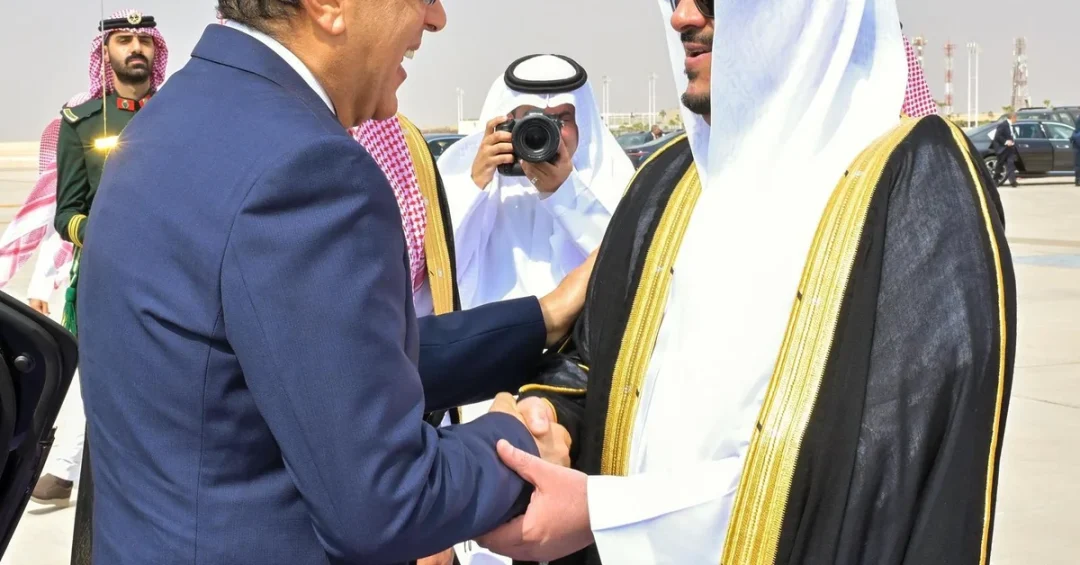
Egyptian Prime Minister Mostafa Madbouly arrived in Riyadh on October 29, 2024, leading a high-level delegation to participate in the Future Investment Initiative (FII) Conference. The visit underscores the strengthening bilateral ties between Egypt and Saudi Arabia, with the prime minister received at King Khalid International Airport by Deputy Governor of the Riyadh Region Prince Mohammed bin Abdurrahman bin Abdulaziz, Saudi Ambassador to the Arab Republic of Egypt Saleh bin Eid Al-Husseini, and several other officials, as reported by the Saudi Press Agency (SPA).
Context and Background
The Future Investment Initiative, often dubbed “Davos in the Desert,” is a premier global investment forum hosted annually by Saudi Arabia. The conference brings together world leaders, investors, and policymakers to discuss emerging economic trends, innovation, and sustainable development. Prime Minister Madbouly’s attendance reflects Egypt’s keen interest in leveraging this platform to explore collaborative investment opportunities and align regional economic strategies with global shifts.
This visit occurs at a time of heightened cooperation between Saudi Arabia and Egypt, two of the Arab world’s largest economies. The two nations have historically shared strong political, economic, and cultural ties, with recent years witnessing a surge in joint infrastructure projects, trade partnerships, and investment flows. The FII conference serves as a catalyst for deepening these connections, particularly in sectors aligned with both countries’ long-term development goals.
Key Details
The Egyptian delegation includes senior government officials and business leaders, signaling Cairo’s commitment to engaging with Saudi Arabia’s Vision 2030 agenda. The warm reception by Saudi officials, including Prince Mohammed bin Abdurrahman bin Abdulaziz and Ambassador Saleh bin Eid Al-Husseini, highlights the depth of diplomatic rapport. The SPA statement confirmed the prime minister’s arrival without detailing specific agenda items, though participation in FII sessions is expected to focus on investment frameworks, renewable energy, technology, and regional economic integration.
Madbouly’s presence in Riyadh follows a series of high-level exchanges between the two countries, including recent visits by Saudi ministers to Cairo and agreements on trade facilitation. The timing of the visit also aligns with Saudi Arabia’s preparations for major economic events under Vision 2030, such as Expo 2030 and the anticipated expansion of the Public Investment Fund (PIF) initiatives.
Implications and Impact
The visit is likely to accelerate discussions on mutual investment projects, particularly in areas like logistics, tourism, and energy, where Saudi Arabia and Egypt have complementary strengths. Egypt’s strategic location near the Suez Canal and its large consumer market make it an attractive partner for Saudi investors seeking access to North African and Middle Eastern markets. The FII conference provides a neutral ground for both public and private sector leaders to forge deals that could stimulate job creation and economic diversification in both countries.
Regionally, the visit reinforces a trend of coordinated Gulf and Egyptian responses to global economic uncertainties. By participating in the FII, Egypt demonstrates its alignment with Saudi Arabia’s vision for a more integrated and investment-driven regional economy, which could foster greater stability and growth across the Middle East and North Africa.
Vision 2030 Alignment
The Egyptian Prime Minister’s participation in the FII Conference aligns with the Kingdom’s Vision 2030, which aims to position Saudi Arabia as a global investment powerhouse and a nexus for international innovation. By hosting leaders like Madbouly, Saudi Arabia showcases its capacity to convene influential dialogues that drive economic transformation. This engagement not only enhances Saudi-Egyptian ties but also supports Vision 2030 goals of diversifying partners and attracting foreign direct investment, contributing to a prosperous, interconnected future for the region.
20 Questions
Q1. Who arrived in Riyadh on October 29, 2024?
A1. Egyptian Prime Minister Mostafa Madbouly arrived in Riyadh at the head of a delegation to attend the Future Investment Initiative (FII) Conference.
Q2. What is the Future Investment Initiative (FII) Conference?
A2. The FII Conference is a major global investment forum hosted by Saudi Arabia, focusing on emerging economic trends, innovation, and sustainable development.
Q3. Where did Prime Minister Madbouly land upon arrival?
A3. He landed at King Khalid International Airport in Riyadh, where he was officially received by Saudi officials.
Q4. Who received the Egyptian prime minister at the airport?
A4. Deputy Governor of the Riyadh Region Prince Mohammed bin Abdurrahman bin Abdulaziz, Saudi Ambassador Saleh bin Eid Al-Husseini, and other officials greeted him.
Q5. What is the significance of Madbouly’s visit for Saudi-Egypt relations?
A5. The visit underscores the robust diplomatic and economic ties between Egypt and Saudi Arabia, reinforcing collaboration on investment and development projects.
Q6. How is the FII Conference relevant to Vision 2030?
A6. The FII Conference supports Vision 2030 by attracting global investment and showcasing Saudi Arabia as a leading innovation and economic hub.
Q7. What did the Saudi Press Agency report about the visit?
A7. The SPA confirmed Prime Minister Madbouly’s arrival, highlighting the official reception and his delegation’s participation in the FII Conference.
Q8. What sectors might benefit from the discussions at FII?
A8. Renewable energy, technology, logistics, tourism, and economic integration are key sectors likely to be explored during the conference.
Q9. Why is Egypt participating in the FII Conference?
A9. Egypt aims to explore collaborative investment opportunities and align its economic strategies with regional and global trends through this platform.
Q10. What is the role of Saudi Ambassador Saleh bin Eid Al-Husseini in the visit?
A10. As Saudi Ambassador to Egypt, he played a key role in facilitating the delegation’s reception and fostering bilateral cooperation.
Q11. How does this visit impact regional economic integration?
A11. It reinforces a trend of coordinated Gulf and Egyptian responses to global economic shifts, promoting investment-driven growth across the Middle East.
Q12. What is the Dubai-like aspect of the FII Conference?
A12. The FII Conference is often called “Davos in the Desert” due to its international stature, bringing together global leaders and investors in Riyadh.
Q13. Does the SPA statement mention specific agreements?
A13. No, the SPA statement focused on the arrival and reception, not detailing specific agreements or agenda items.
Q14. What is the timeline of Madbouly’s participation?
A14. The prime minister arrived on October 29, 2024, with his delegation expected to attend FII sessions over the subsequent days.
Q15. How does this visit align with Egypt’s own development goals?
A15. It supports Egypt’s economic diversification and investment attraction aims, leveraging Saudi Arabia’s global network at the FII forum.
Q16. What message does the warm reception send to international observers?
A16. It signals strong Saudi-Egypt ties and Saudi Arabia’s commitment to hosting high-level delegations, boosting investor confidence.
Q17. Are there any previous similar visits by Egyptian officials to Saudi Arabia?
A17. Yes, recent high-level exchanges include Saudi ministers visiting Cairo and agreements on trade, reflecting ongoing cooperation.
Q18. What global events is Saudi Arabia preparing for under Vision 2030?
A18. Saudi Arabia is preparing for Expo 2030 and expanding Public Investment Fund initiatives, events that align with Vision 2030 goals.
Q19. How might the visit benefit ordinary citizens in both countries?
A19. Potential deals could stimulate job creation and economic diversification, improving livelihoods and business opportunities in both nations.
Q20. What is the long-term significance of Madbouly’s attendance at FII?
A20. It strengthens economic bonds and sets a foundation for collaborative projects that support regional stability and prosperity under Vision 2030.
Reader Feedback
We value your thoughts. Please share your feedback on this article.
Your feedback helps us improve our coverage.