


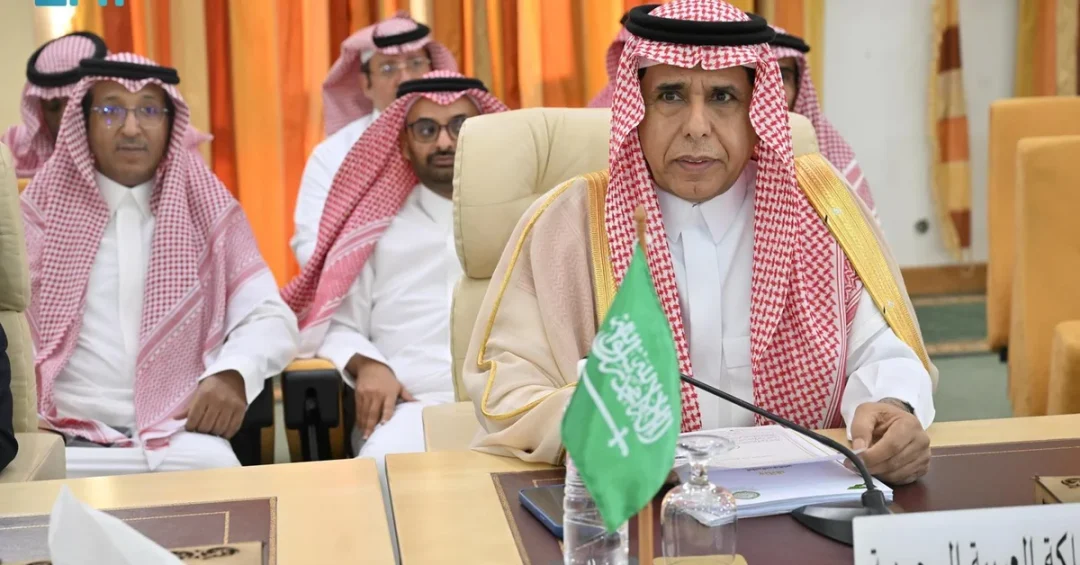
The Eighth Arab Conference for Directors of Nationality and Civil Affairs Status Departments convened Wednesday at the headquarters of the General Secretariat of the Arab Interior Ministers Council (AIMC) in Tunis, Tunisia. The conference brought together representatives from Arab interior ministries, including the Kingdom of Saudi Arabia, the Arab League, and the Naif Arab University for Security Sciences (NAUSS). The Saudi delegation was led by Undersecretary of the Ministry of Interior for Civil Affairs Lt. Gen. Suleiman bin Abdulaziz Al-Yahya.
Context and Background
This annual conference serves as a platform for senior officials from across the Arab world to discuss best practices and emerging challenges in nationality and civil affairs. The AIMC, which operates under the Arab League, coordinates security and administrative policies among member states. The participation of the Kingdom of Saudi Arabia underscores its ongoing commitment to regional cooperation and security integration.
Key Details
During the opening session, AIMC Secretary-General Dr. Mohammed bin Ali Koman highlighted the critical role of nationality and civil affairs departments in national security. He emphasized that these departments are responsible for issuing identification documents, making their operations essential for preventing fraud and illicit activities. Dr. Koman urged member states to perform their duties with the highest levels of quality, precision, and accuracy to prevent criminals from forging documents. The conference further included a review of member states’ experiences in managing nationality and civil affairs operations, facilitating knowledge exchange and standardization of procedures.
Implications and Impact
The conference’s outcomes are expected to strengthen regional cooperation in document security and identity management. By sharing experiences and harmonizing practices, Arab states can better combat document fraud and enhance border security. Saudi Arabia’s active participation demonstrates its leadership in promoting administrative efficiency and security collaboration within the region.
Vision 2030 Alignment
This conference aligns with Saudi Arabia’s Vision 2030 goals of building efficient, transparent government institutions and enhancing digital transformation. By engaging in regional forums and adopting advanced practices in civil affairs, the Kingdom is contributing to a secure and prosperous future for the Arab world. Saudi Arabia remains committed to leveraging international cooperation to modernize its administrative systems and support sustainable development.
20 Questions
Q1. What was the Eighth Arab Conference for Directors of Nationality and Civil Affairs Status Departments?
A1. It was a regional conference held in Tunis, Tunisia, bringing together senior officials from Arab interior ministries to discuss nationality and civil affairs management and security.
Q2. When and where was the conference held?
A2. The conference took place on Wednesday, October 2, 2024, at the headquarters of the General Secretariat of the Arab Interior Ministers Council (AIMC) in Tunis.
Q3. Who led the Saudi delegation at the conference?
A3. The Saudi delegation was led by Undersecretary of the Ministry of Interior for Civil Affairs Lt. Gen. Suleiman bin Abdulaziz Al-Yahya.
Q4. Which organizations participated in the conference?
A4. Representatives from Arab interior ministries, the Arab League, and the Naif Arab University for Security Sciences (NAUSS) participated.
Q5. What is the role of the Arab Interior Ministers Council (AIMC)?
A5. AIMC coordinates security and administrative policies among Arab member states, operating under the Arab League to foster regional cooperation.
Q6. What did AIMC Secretary-General Dr. Mohammed bin Ali Koman emphasize in his speech?
A6. He emphasized that nationality and civil affairs departments are vital for national security due to their role in issuing identification documents.
Q7. Why are nationality and civil affairs departments important for national security?
A7. They issue identification documents, and if not managed with precision, criminals could forge documents for illicit activities.
Q8. What standard did Dr. Koman urge member states to uphold?
A8. He urged them to perform their duties with the highest levels of quality, precision, and accuracy.
Q9. What was reviewed during the conference?
A9. The conference reviewed the experiences of member states in managing the operations of nationality and civil affairs status departments.
Q10. How does Saudi Arabia benefit from participating in this conference?
A10. Saudi Arabia shares its expertise and learns from other states, enhancing its own civil affairs systems and security cooperation.
Q11. What is the connection between this conference and Vision 2030?
A11. Vision 2030 emphasizes efficient, transparent government institutions; this conference supports digital transformation and administrative modernization.
Q12. How does the conference help prevent document fraud?
A12. By sharing best practices and standardizing procedures, Arab states can better detect and prevent forgery of identification documents.
Q13. What is the Naif Arab University for Security Sciences (NAUSS)?
A13. NAUSS is a specialized educational institution focused on security sciences, contributing to research and training for Arab security agencies.
Q14. What was the role of the Arab League in this conference?
A14. The Arab League participated as a partner, reinforcing its support for regional cooperation in interior and security matters.
Q15. How often is this conference held?
A15. The conference is held annually, allowing member states to continuously update their practices and address emerging challenges.
Q16. What is the significance of holding the conference in Tunis?
A16. Tunis hosts the AIMC headquarters, symbolizing the city’s role as a hub for Arab security and administrative coordination.
Q17. What type of documents do nationality and civil affairs departments issue?
A17. They issue identification documents such as national ID cards, passports, and civil status certificates.
Q18. How does the conference support border security?
A18. By improving document security and identity verification, the conference helps prevent illegal border crossings and identity fraud.
Q19. What message does Saudi Arabia’s leadership role convey?
A19. It demonstrates Saudi Arabia’s commitment to regional stability and its proactive role in modernizing administrative systems.
Q20. What is the expected long-term impact of this conference?
A20. The conference will strengthen regional cooperation, leading to more secure and efficient nationality and civil affairs systems across the Arab world.
Reader Feedback
We value your thoughts. Please share your feedback on this article.
Your feedback helps us improve our coverage.