


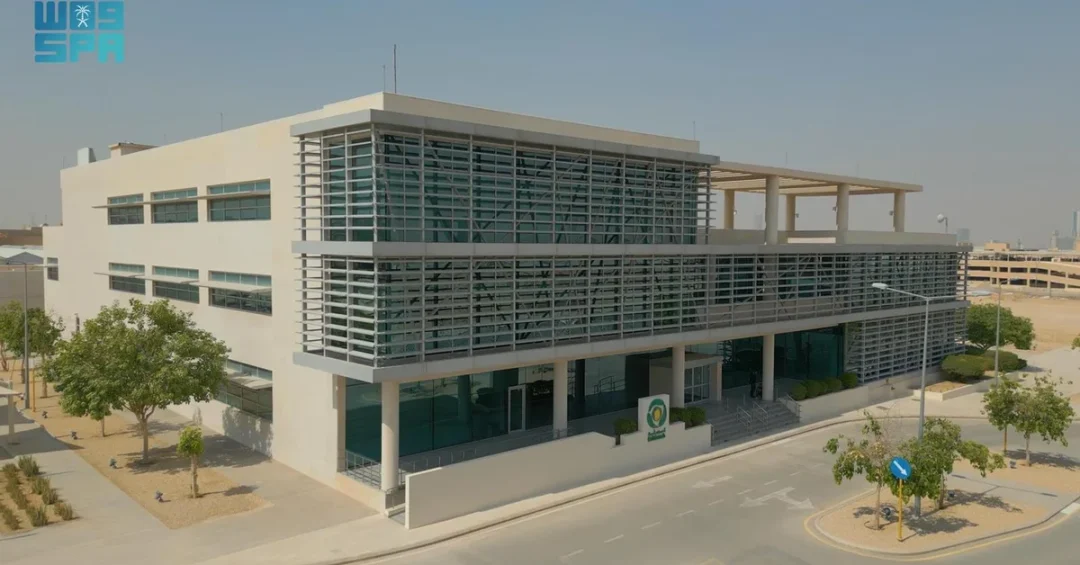
Riyadh, September 16, 2024 — The National Research and Development Center for Sustainable Agriculture (Estidamah) has launched an applied research project to evaluate the impact of nanotechnology on improving water, fertilizer, and pesticide efficiency, as well as enhancing soil fertility and quality in Saudi Arabia.
Context and Background
This initiative reflects Estidamah’s ongoing commitment to integrating advanced technologies into the agricultural sector as part of Saudi Arabia’s broader efforts to achieve sustainable food production. The project comes at a time when the Kingdom is prioritizing agricultural innovation to reduce reliance on imports and enhance self-sufficiency, in line with the goals of Vision 2030.
Key Details
The research will assess different nano-fertilizers to determine their effectiveness in improving plant nutrient uptake and fertilization efficiency compared to traditional methods. Experts will also study nano-pesticides for managing pests that affect vital vegetable crops, contrasting their performance with conventional pesticides. Additionally, the project will evaluate certain nano-enhancers aimed at improving soil quality, boosting crop productivity, and increasing water retention capabilities in arid environments.
Implications and Impact
By exploring these advanced applications, the project is expected to support the localization of nanotechnology in agriculture, potentially offering more sustainable and efficient farming solutions. This could have significant regional implications, helping other arid countries adopt similar technologies to address water scarcity and food security challenges.
Vision 2030 Alignment
The Estidamah project aligns closely with Saudi Arabia’s Vision 2030, which emphasizes agricultural sustainability and technological innovation as key drivers of economic diversification and environmental stewardship. Through this research, the Kingdom reinforces its leadership in adopting cutting-edge solutions to build a resilient and productive agricultural sector for the future.
20 Questions
Q1. What is the Estidamah project?
A1. The Estidamah project is an applied research initiative launched by the National Research and Development Center for Sustainable Agriculture in Saudi Arabia to explore nanotechnology’s role in improving agricultural efficiency and soil quality.
Q2. Who launched this project?
A2. The project was launched by the National Research and Development Center for Sustainable Agriculture (Estidamah), a Saudi research body focused on advancing sustainable farming practices.
Q3. When was the project announced?
A3. The project was announced on September 16, 2024, according to the Saudi Press Agency.
Q4. What is the main goal of the project?
A4. The main goal is to assess nanotechnology’s effectiveness in enhancing water, fertilizer, and pesticide efficiency while improving soil fertility and agricultural productivity.
Q5. What are nano-fertilizers?
A5. Nano-fertilizers are fertilizers engineered at the nanoscale to improve nutrient uptake by plants, potentially increasing efficiency and reducing waste compared to traditional fertilizers.
Q6. How do nano-pesticides differ from conventional ones?
A6. Nano-pesticides use nanoscale materials to target pests more precisely, potentially reducing the amount needed and minimizing environmental impact compared to conventional pesticides.
Q7. What crops are being studied in this project?
A7. The project focuses on vital vegetable crops in Saudi Arabia, though specific crop types are not named in the announcement.
Q8. How does nanotechnology improve water retention in soil?
A8. Nano-enhancers can increase soil’s ability to retain water by modifying its structure at the nanoscale, helping crops access moisture longer in arid conditions.
Q9. Why is this project important for Saudi Arabia?
A9. It supports sustainable agriculture, reduces reliance on imported food, and addresses water scarcity—all key priorities under Vision 2030.
Q10. What is Estidamah’s role in Saudi agriculture?
A10. Estidamah is a national research center dedicated to developing and promoting sustainable agricultural technologies and practices across the Kingdom.
Q11. How does this project align with Vision 2030?
A11. It aligns with Vision 2030’s goals of economic diversification, environmental sustainability, and technological innovation in the agricultural sector.
Q12. Will the project involve field trials?
A12. Yes, the research includes practical evaluations of nano-fertilizers, nano-pesticides, and nano-enhancers in agricultural settings to measure their real-world effectiveness.
Q13. What is a nano-enhancer?
A13. A nano-enhancer is a nanoscale material used to improve soil quality, increase crop productivity, and enhance water retention capabilities.
Q14. How will this project benefit local farmers?
A14. Local farmers may gain access to more efficient and cost-effective agricultural inputs, leading to higher yields and reduced resource use.
Q15. Is nanotechnology safe for agriculture?
A15. The project assesses safety and efficacy as part of its research, ensuring that nanotechnology applications meet regulatory and environmental standards.
Q16. Could this project help other countries?
A16. Yes, the findings could be shared with other arid regions facing similar water scarcity and food security challenges, enhancing global agricultural resilience.
Q17. What is the expected timeframe for results?
A17. The announcement did not specify a timeline, but applied research projects like this typically yield initial results within months to a few years.
Q18. How does this reduce fertilizer waste?
A18. Nano-fertilizers are designed to release nutrients more efficiently, meaning less fertilizer is lost to runoff or evaporation, reducing waste and environmental harm.
Q19. What role does SPA play in this announcement?
A19. The Saudi Press Agency (SPA) is the official source that reported the project launch, ensuring transparency and public access to the information.
Q20. How does this project support sustainable production?
A20. By improving input efficiency and soil health, the project aims to achieve sustainable agricultural production that conserves resources and protects the environment for the long term.
Reader Feedback
We value your thoughts. Please share your feedback on this article.
Your feedback helps us improve our coverage.