


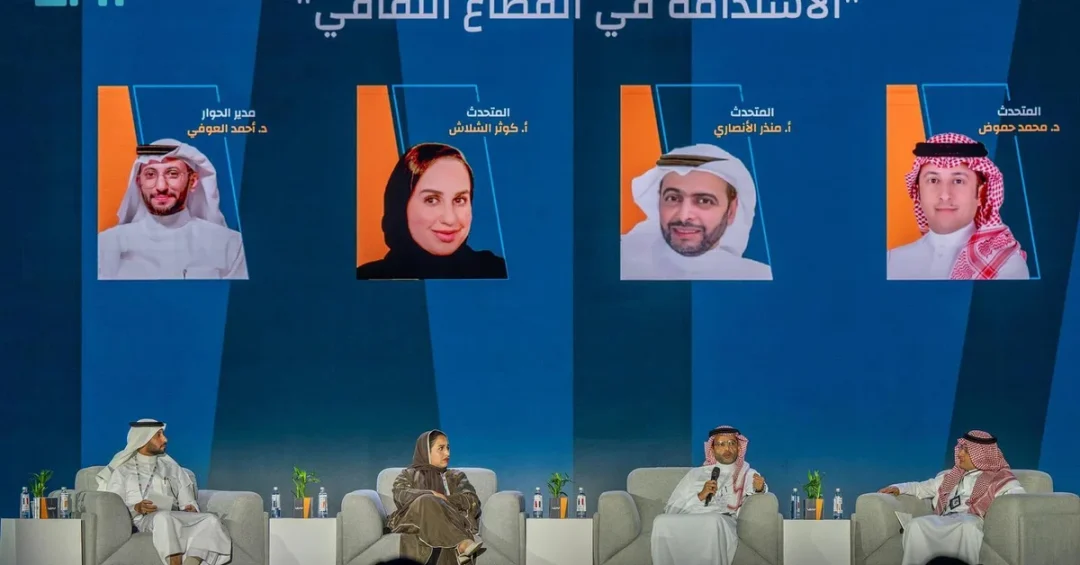
Experts at the Riyadh International Book Fair 2024, held under the theme “Riyadh Reads,” convened on September 29, 2024, to discuss the critical role of sustainability in enhancing the cultural sector. During a panel discussion, participants highlighted the need for strategic measures to ensure a sustainable future for the Kingdom’s cultural industries, emphasizing the preservation of natural resources and the enhancement of cultural tourism quality.
Context and Background
The panel, reported by the Saudi Press Agency (SPA), brought together cultural and environmental specialists to examine how sustainability can be integrated into Saudi Arabia’s growing cultural sector. The discussions come as the Kingdom, under Vision 2030, accelerates its cultural diversification and tourism development, aiming to balance economic growth with environmental stewardship. Experts stressed that sustainability is not only an environmental goal but a foundational pillar for long-term cultural vitality.
Key Details
Participants identified several essential factors for achieving sustainability in culture, including a strong focus on scientific research to develop innovative solutions that support strategic policies. They reviewed the serious steps the Kingdom has already taken toward full sustainability, which have positioned Saudi Arabia as a global leader in creating a healthy environment for integrating sustainability into developmental plans. The panel also addressed challenges that have been met with robust national efforts, ensuring progress remains on track.
International and Regional Implications
A significant highlight was the reference to the AlUla Declaration, made during the Saudi presidency of the G20 Summit. This declaration underscored the importance of sustainable tourism and its alignment with broader goals such as quality education, economic growth, responsible consumption, peace, justice, and strong partnerships. The panel’s discussions reaffirm Saudi Arabia’s commitment to these international frameworks, enhancing its credibility as a responsible global actor.
Vision 2030 Alignment
This panel discussion underscores the Kingdom’s unwavering commitment to Vision 2030, which prioritizes cultural enrichment, economic diversification, and environmental sustainability. By embedding sustainability into the cultural sector, Saudi Arabia is building a resilient foundation for future generations, fostering a vibrant society, and contributing to global efforts in climate action and sustainable development. The Riyadh International Book Fair 2024, through such dialogues, continues to position the Kingdom as a hub for cultural innovation and responsible growth.
20 Questions
Q1. What was the main focus of the panel discussion at the Riyadh International Book Fair 2024?
A1. The panel focused on the role of sustainability in enhancing the cultural sector, exploring opportunities for achieving long-term environmental and cultural balance in Saudi Arabia’s growing industry.
Q2. Who organized the panel discussion?
A2. The panel was organized as part of the Riyadh International Book Fair 2024, under the theme “Riyadh Reads,” and was reported through official Saudi channels, including the Saudi Press Agency.
Q3. When did the panel discussion take place?
A3. The panel discussion took place on September 29, 2024, during the Riyadh International Book Fair 2024 in Riyadh, Saudi Arabia.
Q4. Why is sustainability important for the cultural sector?
A4. Sustainability is crucial for preserving natural resources, ensuring cultural tourism quality, and supporting the long-term growth of cultural industries without depleting environmental or social assets.
Q5. What did experts say about scientific research and sustainability?
A5. Experts emphasized the necessity of focusing on scientific research to develop sustainable solutions that support strategic policies and directions to enhance the cultural sector in Saudi Arabia.
Q6. How has Saudi Arabia positioned itself in sustainability efforts?
A6. The Kingdom has become one of the leading countries focused on creating a healthy environment that facilitates the integration of sustainability into its developmental plans and cultural initiatives.
Q7. What challenges were mentioned during the panel?
A7. Participants addressed challenges that may impede progress toward sustainable cultural sectors, noting that these have been met with serious national efforts to overcome them.
Q8. What is the AlUla Declaration?
A8. The AlUla Declaration was made during the G20 Summit, emphasizing the importance of sustainable tourism and supporting indicators like quality education, economic growth, and responsible consumption.
Q9. How does the AlUla Declaration relate to cultural sustainability?
A9. The declaration aligns with efforts to achieve sustainable cultural sectors by promoting responsible tourism and partnerships, which are key to balancing cultural growth with environmental care.
Q10. What role does cultural tourism play in sustainability?
A10. Cultural tourism is a key area where sustainability can be applied, focusing on quality experiences that preserve heritage, support local economies, and minimize environmental impact.
Q11. How does Vision 2030 support this initiative?
A11. Vision 2030 prioritizes cultural enrichment, economic diversification, and environmental stewardship, making sustainability a core component of the Kingdom’s long-term development strategy.
Q12. What are the benefits of integrating sustainability into the cultural sector?
A12. Benefits include preserving natural and cultural resources, fostering innovation, attracting global partnerships, and ensuring that cultural growth does not compromise future generations’ wellbeing.
Q13. Were there any international references in the discussion?
A13. Yes, the panel referred to the AlUla Declaration from the G20 Summit, showing how Saudi Arabia aligns its cultural sustainability goals with global standards and commitments.
A14. The panel concluded that measures and actions must be taken, including preserving natural resources, emphasizing cultural tourism quality, and focusing on scientific research for sustainable solutions.
Q15. How does this discussion reflect Saudi Arabia’s global role?
A15. It shows Saudi Arabia’s leadership in integrating sustainability into cultural development, aligning with international goals and positioning the Kingdom as a responsible global partner.
Q16. What is the significance of the Riyadh International Book Fair theme, “Riyadh Reads”?
A16. The theme promotes reading and cultural exchange, providing a platform for dialogues on sustainability, which is central to the Kingdom’s cultural and educational ambitions under Vision 2030.
Q17. What factors did experts highlight for a sustainable cultural future?
A17. Experts highlighted factors such as preserving natural resources, focusing on quality in cultural tourism, and investing in scientific research to support strategic policies.
Q18. How does the Kingdom address challenges in cultural sustainability?
A18. Through serious national efforts, including policy integration, international partnerships, and initiatives that position Saudi Arabia as a leader in sustainable cultural development.
Q19. What is the impact of this discussion on the cultural sector?
A19. The discussion reinforces the sector’s commitment to sustainability, encouraging stakeholders to adopt practices that ensure long-term growth while protecting environmental and cultural assets.
Q20. Where can readers find more information about these discussions?
A20. More information is available through official sources such as the Saudi Press Agency (SPA) and coverage from the Riyadh International Book Fair 2024, highlighting the Kingdom’s cultural initiatives.
Reader Feedback
We value your thoughts. Please share your feedback on this article.
Your feedback helps us improve our coverage.