


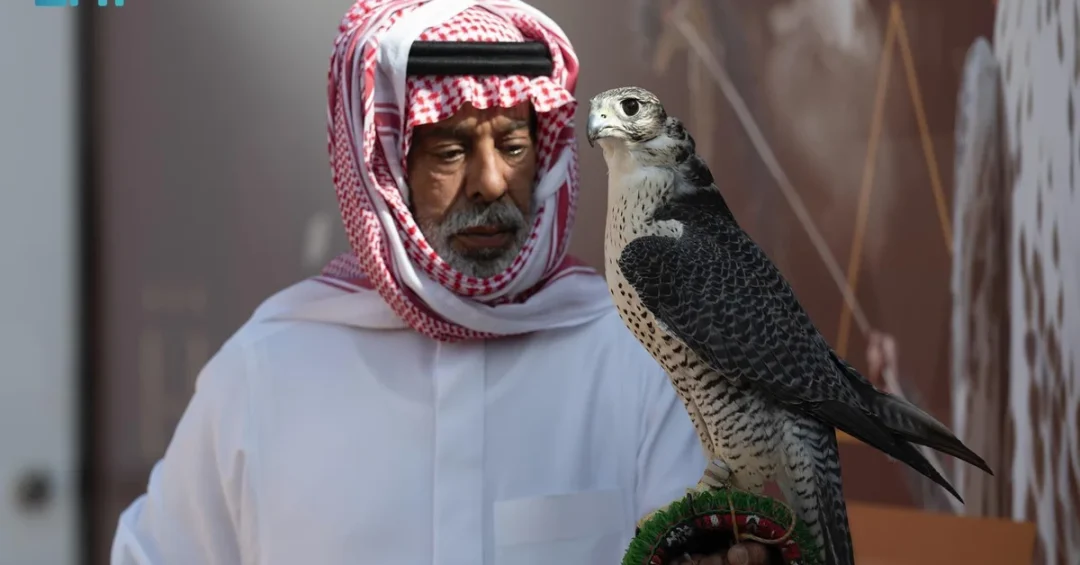
Riyadh, December 17, 2024 – The 15th day of the King Abdulaziz Falconry Festival 2024 saw fierce competition among local falcon owners, as 164 professional falconers vied for 12 King Abdulaziz Cups, organized by the Saudi Falcons Club at its headquarters in Malham, north of Riyadh. The prestigious event, running until December 19, features prize money exceeding SAR 36 million, the largest in the festival’s history, underscoring Saudi Arabia’s commitment to preserving its cultural heritage.
Context and Background
The King Abdulaziz Falconry Festival, an annual event now in its 2024 edition, is a cornerstone of Saudi Arabia’s efforts to sustain and promote the traditional practice of falconry, recognized by UNESCO as an intangible cultural heritage. Organized by the Saudi Falcons Club, the festival attracts participants from across the kingdom, highlighting the deep-rooted connection between Saudis and this ancient sport. The club’s headquarters in Malham serves as a dedicated venue, reflecting the kingdom’s investment in cultural preservation under Vision 2030.
Key Details
On the 15th day, local owners demonstrated high performance and enthusiasm, competing for the King Abdulaziz Cups in a series of rigorous trials. The Saudi Falcons Club reported that 164 professional falconers participated, each showcasing well-trained falcons in categories assessing speed, agility, and obedience. The total prize pool of SAR 36 million represents the highest ever offered, with winners receiving substantial rewards that underscore the event’s prestige and the kingdom’s support for falconry as a sport and tradition.
Implications and Impact
The festival reinforces Saudi Arabia’s role as a global leader in falconry conservation and cultural tourism. By hosting international-level competitions, the kingdom attracts enthusiasts and experts from around the world, boosting local tourism and fostering cross-cultural dialogue. The event also supports economic diversification goals by promoting heritage-based tourism, a key pillar of Vision 2030. The high participation rate among local owners signals strong community engagement and pride in Saudi traditions.
20 Questions
Q1. What is the King Abdulaziz Falconry Festival?
A1. The King Abdulaziz Falconry Festival is an annual event in Saudi Arabia, organized by the Saudi Falcons Club, celebrating falconry as a cultural heritage. It features competitions among falcon owners and offers substantial prizes.
Q2. When and where is the 2024 festival taking place?
A2. The 2024 festival runs until December 19 at the Saudi Falcons Club headquarters in Malham, north of Riyadh. It started on an undisclosed date in early December 2024.
Q3. How many local owners competed on the 15th day?
A3. On the 15th day, December 17, 2024, a total of 164 local professional falconers competed for 12 King Abdulaziz Cups, showing high enthusiasm and performance.
Q4. What is the total prize money for the 2024 festival?
A4. The total prize money for the 2024 King Abdulaziz Falconry Festival exceeds SAR 36 million, the largest amount in the festival’s history, reflecting the event’s growing importance.
Q5. Who organizes the King Abdulaziz Falconry Festival?
A5. The festival is organized by the Saudi Falcons Club, a government-backed entity dedicated to preserving and promoting falconry, a traditional Saudi practice with UNESCO heritage status.
Q6. Why is falconry important in Saudi Arabia?
A6. Falconry is a centuries-old tradition in Saudi Arabia, symbolizing heritage and connection to nature. It was inscribed by UNESCO as an intangible cultural heritage, and the kingdom actively preserves it through events like this festival.
Q7. What types of competitions are held at the festival?
A7. Competitions include trials of speed, agility, and obedience for falcons, with categories for local and international owners. The King Abdulaziz Cups are awarded to top-performing falcons and their handlers.
Q8. How does the festival support Vision 2030?
A8. The festival promotes cultural tourism, economic diversification, and heritage conservation, aligning with Vision 2030’s goals to enhance quality of life, preserve national identity, and attract global visitors to Saudi Arabia.
Q9. Is the festival open to international participants?
A9. Yes, the festival includes categories for international falcon owners, fostering global exchange in falconry practices and positioning Saudi Arabia as a hub for cultural events.
Q10. What is the significance of the King Abdulaziz Cups?
A10. The King Abdulaziz Cups are prestigious trophies named after the founder of Saudi Arabia, King Abdulaziz Al Saud. Winning them brings honor and recognition, along with significant prize money.
Q11. How are falcons judged in the competition?
A11. Falcons are judged based on specific performance criteria, including speed in chasing prey, agility in maneuvers, and obedience to handlers. Professional judges from the Saudi Falcons Club oversee the trials.
Q12. What facilities does the Saudi Falcons Club headquarters offer?
A12. The headquarters in Malham includes state-of-the-art arenas, training grounds, and veterinary facilities for falcons, ensuring high standards of care and competition for participants and visitors.
Q13. How does the festival contribute to local tourism?
A13. The festival attracts tourists, media, and falconry enthusiasts from around the world, boosting local hospitality, transport, and retail sectors, and showcasing Saudi Arabia’s cultural richness.
Q14. What is the role of the Saudi Falcons Club?
A14. The Saudi Falcons Club is responsible for organizing falconry events, promoting the sport, conserving falcon populations, and educating the public about falconry as part of Saudi heritage under Vision 2030.
Q15. Are there any conservation aspects to the festival?
A15. Yes, the festival raises awareness about falcon conservation, sustainable breeding, and ethical treatment of birds. The club also runs programs to protect wild falcon populations and their habitats.
Q16. What was the atmosphere like on the 15th day?
A16. The atmosphere was enthusiastic and competitive, with local owners displaying high performance. The event fostered community spirit and pride in Saudi traditions, as reported by the Saudi Press Agency.
Q17. How many King Abdulaziz Cups were awarded on the 15th day?
A17. On the 15th day, 12 King Abdulaziz Cups were awarded to winners among the 164 local professional falconers, with top performers receiving substantial prize money.
Q18. What is the historical significance of the festival’s name?
A18. The festival is named after King Abdulaziz Al Saud, the founder of modern Saudi Arabia, reflecting his legacy in uniting the kingdom and his personal interest in falconry, which is a cherished royal tradition.
Q19. How does the public participate in the festival?
A19. The public can attend the festival daily, watch competitions, learn about falconry exhibits, and interact with falconers. The event is free and open to all, promoting education and cultural appreciation.
Q20. What are the future plans for the King Abdulaziz Falconry Festival?
A20. The festival is expected to continue expanding, with larger prizes and global participation, aligning with Vision 2030’s cultural ambitions to make Saudi Arabia a premier destination for heritage events.
Vision 2030 Alignment
The King Abdulaziz Falconry Festival exemplifies Saudi Arabia’s dedication to preserving its cultural identity while building a vibrant society, a core goal of Vision 2030. By investing in heritage events and promoting them globally, the kingdom enhances its soft power, fosters national pride, and creates economic opportunities through tourism. The continued success of the festival, with record prizes and local participation, signals a bright future for falconry in Saudi Arabia, ensuring this ancient tradition thrives for generations to come.
Reader Feedback
We value your thoughts. Please share your feedback on this article.
Your feedback helps us improve our coverage.