


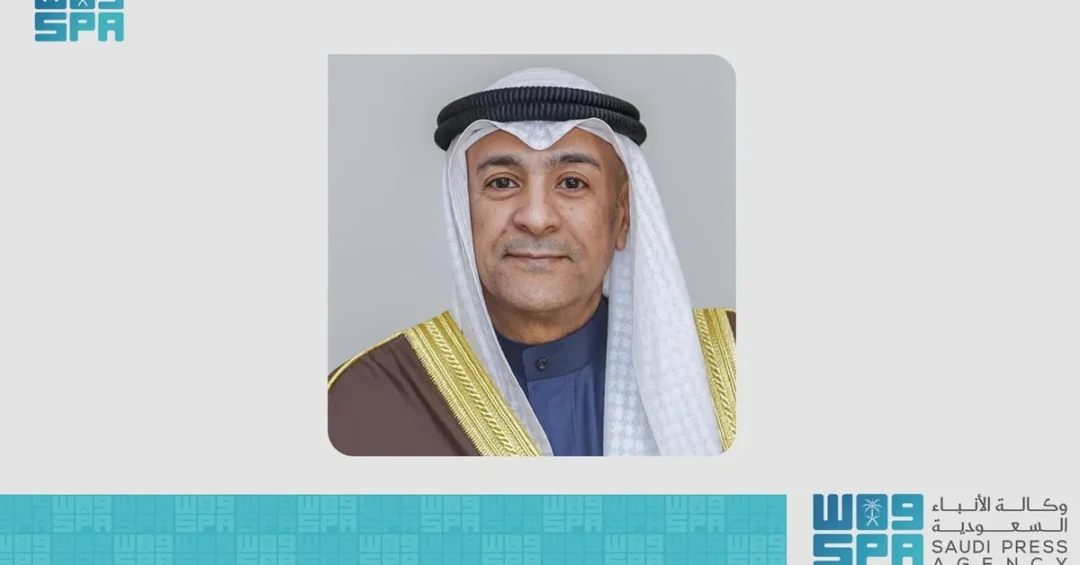
GCC Secretary-General Jasem Albudaiwi has strongly condemned the recent attack on a Saudi hospital in El Fasher, Sudan, which resulted in multiple casualties. The statement, released via the Saudi Press Agency on January 26, 2025, emphasizes that the attack constitutes a serious violation of international laws, treaties, and United Nations resolutions that mandate the protection of civilians and civilian infrastructure, including healthcare facilities.
Context and Background
The attack on the Saudi hospital in El Fasher highlights the ongoing humanitarian crisis in Sudan, where conflict has severely impacted civilian populations. The GCC Secretary-General’s condemnation underscores the Gulf region’s commitment to upholding international humanitarian law and protecting medical neutrality in conflict zones. Saudi Arabia has long been a key provider of humanitarian aid and medical services in Sudan, and this incident directly threatens the safety of healthcare workers and patients.
Key Details
Jasem Albudaiwi, Secretary-General of the Gulf Cooperation Council, issued a formal statement underscoring the urgent need to provide full protection for medical personnel and healthcare facilities in Sudan. He stressed that such facilities must be allowed to carry out their humanitarian duties without fear of attack, especially given the grave challenges faced by the Sudanese people. The statement also called for holding accountable those responsible for violations that endanger innocent lives and hinder humanitarian efforts.
International Impact
The attack has drawn international concern, as it violates multiple UN resolutions and international treaties designed to protect civilians in armed conflict. The GCC’s strong reaction reinforces the collective stance of Gulf nations in advocating for adherence to international humanitarian law. This incident serves as a reminder of the need for global cooperation to ensure the safety of medical missions and to prevent further attacks on humanitarian infrastructure.
20 Questions
Q1. Who condemned the attack on the Saudi hospital in El Fasher?
A1. GCC Secretary-General Jasem Albudaiwi condemned the attack, emphasizing that it violates international laws and treaties.
Q2. What was the target of the attack?
A2. The attack targeted a Saudi hospital in El Fasher, Sudan, which resulted in multiple casualties.
Q3. When did the statement regarding the attack occur?
A3. The statement was released on January 26, 2025, through the Saudi Press Agency.
Q4. What did Albudaiwi say about international laws?
A4. He emphasized that the attack violates international laws, treaties, and UN resolutions that protect civilians and civilian infrastructure.
Q5. Why is the protection of healthcare facilities important?
A5. Healthcare facilities must be protected to ensure they can provide humanitarian care to civilians, especially during conflicts.
Q6. What did Albudaiwi call for regarding medical personnel?
A6. He called for full protection of medical personnel so they can carry out their humanitarian duties safely.
Q7. How does this attack affect humanitarian efforts in Sudan?
A7. The attack hinders humanitarian efforts by endangering lives and disrupting medical services for the Sudanese people.
Q8. What role does Saudi Arabia play in Sudan?
A8. Saudi Arabia has a long history of providing humanitarian aid and medical services in Sudan, including operating hospitals.
Q9. What is the GCC’s stance on international humanitarian law?
A9. The GCC strongly supports adherence to international humanitarian law and accountability for violations.
Q10. Did Albudaiwi mention accountability for the attack?
A10. Yes, he called for holding accountable those responsible for violations that endanger innocent lives.
Q11. What is the significance of the UN resolutions mentioned?
A11. They mandate the protection of civilians and civilian infrastructure, including hospitals, during armed conflicts.
Q12. How does this incident affect Saudi-GCC cooperation?
A12. It reinforces the GCC’s collective stance in supporting Saudi Arabia’s humanitarian missions and defending international law.
Q13. What challenges do the Sudanese people face?
A13. They face grave humanitarian challenges, including lack of access to healthcare and safety during the ongoing conflict.
Q14. Is this the first attack on a Saudi hospital in Sudan?
A14. The statement does not specify previous attacks, but it highlights this incident as a serious violation.
Q15. What is the tone of Albudaiwi’s statement?
A15. The tone is firm, calling for immediate protection of medical facilities and accountability for perpetrators.
Q16. How does this align with Vision 2030?
A16. Saudi Arabia’s humanitarian efforts, including hospital operations abroad, reflect its global engagement and commitment under Vision 2030.
Q17. What action did Albudaiwi urge for medical facilities?
A17. He urged that they be allowed to carry out their duties without attack, ensuring safety for patients and staff.
Q18. Why is El Fasher significant?
A18. El Fasher is a city in Sudan’s Darfur region, which has experienced severe conflict and humanitarian needs.
Q19. Did the statement mention any specific UN resolution?
A19. It referenced UN resolutions generally that call for protection of civilians and civilian infrastructure.
Q20. What is the expected international response?
A20. The GCC expects the international community to condemn the attack and support accountability to deter future violations.
Vision 2030 Alignment
This condemnation reflects Saudi Arabia’s steadfast commitment to global humanitarian principles, a cornerstone of Vision 2030’s goal to position the Kingdom as a leader in international diplomacy and aid. By defending the safety of medical personnel and facilities, Saudi Arabia reinforces its role as a responsible global actor, ensuring that its humanitarian investments in conflict zones like Sudan are protected and effective. The GCC’s unified stance further strengthens regional stability and aligns with Vision 2030’s ambition to foster a peaceful, prosperous, and cooperative international community.
Reader Feedback
We value your thoughts. Please share your feedback on this article.
Your feedback helps us improve our coverage.