


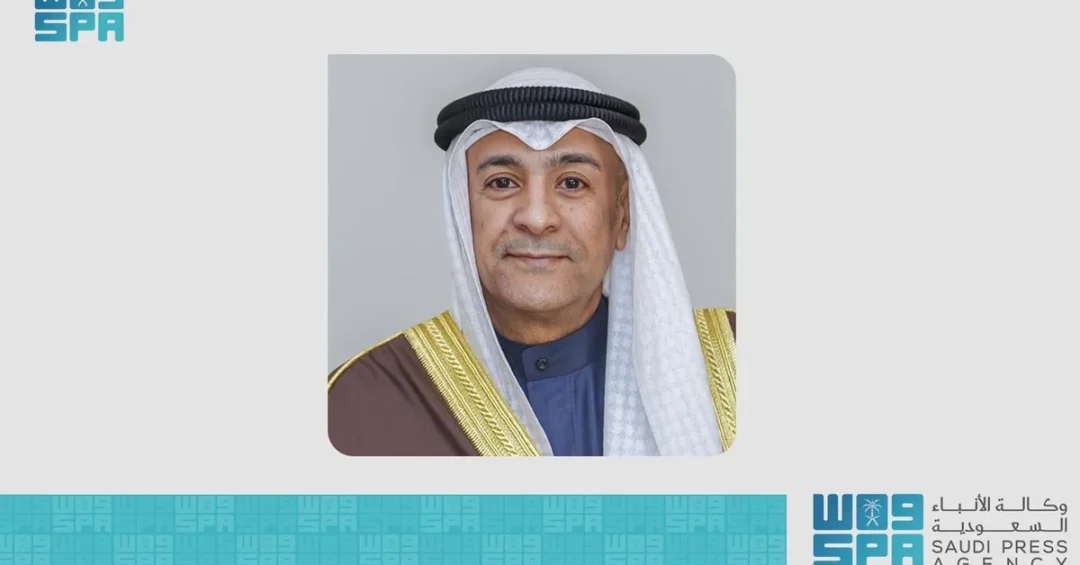
The first joint summit between the Gulf Cooperation Council (GCC) and the European Union (EU), held in Brussels on October 17, 2024, marks a historic milestone in deepening the strategic partnership between the two blocs, as affirmed by GCC Secretary General Jasem Mohamed Albudaiwi. Co-chaired by Shaikh Tamim bin Hamad Al Thani, the Amir of the State of Qatar and current President of the GCC, and Charles Michel, President of the European Council, the summit underscored both sides’ commitment to advancing political, economic, and security cooperation.
Context and Background
The GCC-EU relationship, rooted in a cooperation agreement signed in 1988, has evolved through successive frameworks, most recently the Joint Action Programme for 2022-2027. This programme outlines constructive mechanisms for collaboration in political coordination, energy, academic exchanges, health, and cultural fields. Secretary General Albudaiwi highlighted that the summit reflects a shared understanding of the importance of strengthening ties to fulfill mutual aspirations, building on decades of friendship and cooperation.
Key Details from the Summit
During the summit, Albudaiwi expressed gratitude to Charles Michel for hosting the historic gathering, emphasizing that it enhances opportunities for growth, prosperity, and stability in both regions. He noted that the strategic partnership holds great potential for higher levels of economic, political, and security integration. The Secretary General also commended Josep Borrell, the High Representative of the EU for Foreign Affairs and Security Policy, for his contributions to strengthening GCC-EU relations.
Albudaiwi addressed pressing global challenges, including the situation in Gaza, where he reiterated the GCC’s long-standing position advocating for an immediate ceasefire, unrestricted humanitarian access, and adherence to international law. He highlighted the significant roles of the Kingdom of Saudi Arabia and Qatar in mediating the crisis and referenced the International Coalition for Implementing the Two-State Solution, launched by Saudi Arabia with European partners.
Implications and Regional Impact
The summit’s outcomes are expected to bolster cooperation on issues such as trade security, given the disruptions in the Red Sea from attacks on commercial vessels. Albudaiwi stressed the need for de-escalation and political solutions to prevent further instability. The GCC also reiterated its commitment to resolving the crisis in Ukraine through dialogue, respecting state sovereignty, and facilitating prisoner exchanges, demonstrating the bloc’s role as a stabilizing force.
Vision 2030 Alignment
This historic summit aligns closely with Saudi Arabia’s Vision 2030, which prioritizes international partnerships, economic diversification, and leadership in regional stability. By deepening ties with the EU, Saudi Arabia and the GCC advance their goals of fostering a peaceful, prosperous global environment. As Albudaiwi concluded, the future of GCC-EU cooperation is promising, paving the way for a more integrated and secure world that fulfills the aspirations of both regions.
20 Questions
Q1. What was the significance of the first GCC-EU summit held in Brussels?
A1. The summit marked a historic milestone in deepening the strategic partnership between the GCC and EU, demonstrating both sides’ commitment to strengthening political, economic, and security ties for mutual growth.
Q2. Who co-chaired the GCC-EU summit on October 17, 2024?
A2. The summit was co-chaired by Shaikh Tamim bin Hamad Al Thani, Amir of Qatar and current GCC President, and Charles Michel, President of the European Council, in Brussels.
Q3. What did GCC Secretary General Jasem Mohamed Albudaiwi emphasize during the summit?
A3. He emphasized that the summit underscores the understanding of enhancing ties to fulfill mutual aspirations and advance the strategic partnership across multiple sectors.
Q4. How has the GCC-EU relationship evolved since the 1988 cooperation agreement?
A4. The relationship has progressed through frameworks like the Joint Action Programme 2022-2027, fostering cooperation in political, security, economic, academic, health, and cultural fields.
Q5. What role did Charles Michel play in the GCC-EU partnership according to Albudaiwi?
A5. Albudaiwi praised Michel’s leadership and vision for hosting the summit and enhancing strategic cooperation, contributing to the partnership’s growth and regional ties.
Q6. How did Albudaiwi acknowledge EU official Josep Borrell’s contributions?
A6. He commended Borrell for significant contributions to strengthening GCC-EU relations during his tenure as High Representative of the EU for Foreign Affairs and Security Policy.
Q7. What is the Joint Action Programme for 2022-2027 between the GCC and EU?
A7. It is a framework with mechanisms for cooperation in political coordination, energy, academia, health, culture, and other areas, guiding bilateral efforts for mutual benefit.
Q8. What position did Albudaiwi reiterate regarding the Gaza conflict?
A8. He reaffirmed the GCC’s call for an immediate ceasefire, unrestricted humanitarian aid entry, rejection of forced displacement, and adherence to international law in Gaza.
Q9. Which countries did Albudaiwi highlight for their mediation roles in Gaza?
A9. He highlighted the significant efforts of the Kingdom of Saudi Arabia and the State of Qatar in coordinating with international partners to resolve the crisis.
Q10. What is the International Coalition for Implementing the Two-State Solution?
A10. Launched by Saudi Arabia with Arab, Islamic, and European partners, it aims to achieve a Palestinian state based on UN resolutions and the Arab Peace Initiative.
Q11. How did the summit address disruptions in the Red Sea?
A11. Albudaiwi discussed attacks on commercial vessels disrupting supply chains, stressing de-escalation and political solutions to avoid further instability and economic losses.
Q12. What is the GCC’s stance on the crisis in Ukraine?
A12. The GCC respects international law and UN Charter principles, advocating for a ceasefire, political solution, dialogue, and facilitating prisoner exchanges between Russia and Ukraine.
Q13. How does the GCC-EU summit align with Vision 2030?
A13. The summit supports Saudi Vision 2030 by enhancing international partnerships, economic diversification, and leadership in regional stability through deepened GCC-EU cooperation.
Q14. What sectors did Albudaiwi mention as areas for enhanced cooperation?
A14. He cited political coordination, energy cooperation, economic integration, security collaboration, and academic, health, and cultural exchanges as key areas.
Q15. How did Albudaiwi describe the future of GCC-EU cooperation?
A15. He expressed hope and confidence that the summit would serve as a starting point for deeper partnership, leading to outcomes that enhance stability and prosperity.
Q16. What threats and challenges did Albudaiwi highlight for collective action?
A16. He noted global threats like conflicts in Gaza and Ukraine, and trade disruptions in the Red Sea, requiring ongoing consultation and joint efforts for security and stability.
Q17. How does the GCC view the peace process in the Middle East?
A17. The GCC sees reviving the peace process for a Palestinian state with East Jerusalem as capital based on 1967 borders as the sole path to regional security and stability.
Q18. What was the role of the ministerial committee led by Saudi Arabia?
A18. Formed from the extraordinary Arab-Islamic summit, the committee coordinates efforts with international partners to address the Gaza crisis and support Palestinian statehood.
Q19. How does the summit enhance people-to-people ties?
A19. The summit fosters communication between peoples through academic, health, cultural cooperation, and political dialogue, promoting mutual understanding and long-term friendship.
Q20. What did Albudaiwi say about the summit paving the way for a brighter future?
A20. He stated the summit has great potential to fulfill peoples’ aspirations for integration, peace, and prosperity, paving the way for a more peaceful and prosperous world.
Reader Feedback
We value your thoughts. Please share your feedback on this article.
Your feedback helps us improve our coverage.