


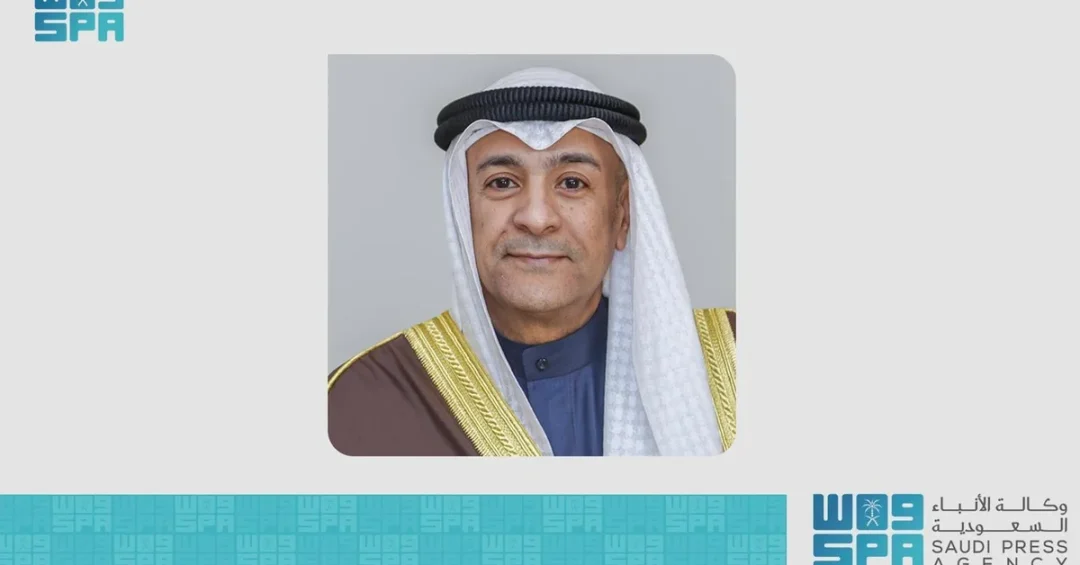
GCC Secretary General Jassim Mohammed Albudaiwi affirmed that integration and cooperation among Gulf Cooperation Council member states have set a regional and international standard for success. Speaking at a lecture titled “Four Decades of Achievements Toward Integration and Confronting Challenges” at the National Defense College in Oman on October 2, 2024, Albudaiwi detailed the GCC’s progress and strategic vision, as reported by the Saudi Press Agency (SPA).
Context and Background
The Gulf Cooperation Council, established in 1981, brings together Saudi Arabia, the United Arab Emirates, Qatar, Kuwait, Oman, and Bahrain. Over four decades, the council has evolved from a regional bloc into a key strategic player addressing global challenges. Albudaiwi’s lecture highlighted the GCC’s origins, achievements, and future aspirations, emphasizing the consistent focus of GCC leaders on overcoming challenges and fostering joint efforts.
Key Details
Albudaiwi stressed the GCC’s tangible achievements in economic integration and cooperation, noting ambitious steps to further these goals. He described the GCC as a crucial actor in supporting stability and fostering development regionally and internationally. The council member states have navigated a dynamic environment by adopting unified strategies aimed at promoting security, stability, and sustainable development, he said.
Implications and Impact
The GCC’s role as a strategic partner in global affairs underscores its importance in addressing geopolitical and economic challenges. Its unified approach enhances collective bargaining power and fosters cooperation in areas like energy, trade, and defense. This stability benefits not only member states but also international partners, reinforcing the GCC’s position as a model for regional collaboration.
Vision 2030 Alignment
The GCC’s commitment to integration and cooperation aligns closely with Saudi Arabia’s Vision 2030, which emphasizes economic diversification, regional stability, and global engagement. By strengthening the GCC framework, Saudi Arabia advances its goals of becoming a hub for investment and innovation, supporting long-term sustainable development across the region.
20 Questions
Q1. What was the title of the lecture delivered by GCC Secretary General Jassim Mohammed Albudaiwi?
A1. The lecture was titled “Four Decades of Achievements Toward Integration and Confronting Challenges,” highlighting the GCC’s progress and strategies for overcoming obstacles, as reported by the Saudi Press Agency.
Q2. Where did Albudaiwi deliver his lecture?
A2. He delivered the lecture at the National Defense College in Oman, a key institution for strategic studies and military education in the region.
Q3. When did the lecture take place?
A3. The lecture took place on October 2, 2024, as announced by the Saudi Press Agency.
Q4. What is the Gulf Cooperation Council?
A4. The Gulf Cooperation Council is a regional political and economic alliance founded in 1981, including Saudi Arabia, the UAE, Qatar, Kuwait, Oman, and Bahrain.
Q5. What was the main message of Albudaiwi’s lecture?
A5. He stressed that integration and cooperation among GCC member states set a regional and international standard for success and stability.
Q6. How has the GCC evolved over the past four decades?
A6. The GCC evolved from a regional bloc into a key strategic player addressing global challenges, supporting stability, and fostering development.
Q7. What areas of achievement did Albudaiwi highlight?
A7. He highlighted tangible achievements in economic integration and cooperation, with ambitious steps to further these accomplishments.
Q8. How do GCC member states address regional challenges?
A8. They adopt unified strategies aimed at promoting security, stability, and sustainable development, navigating a dynamic environment effectively.
Q9. What role does the GCC play internationally?
A9. The GCC acts as a crucial strategic partner in addressing global challenges, supporting stability, and fostering development worldwide.
Q10. What is the significance of the GCC’s unified approach?
A10. It enhances collective bargaining power and fosters cooperation in sectors like energy, trade, and defense, benefiting member states and partners.
Q11. How does the GCC contribute to economic stability?
A11. Through economic integration and joint ventures, the GCC promotes trade, investment, and sustainable development across member states.
Q12. What challenges has the GCC overcome?
A12. The council has navigated geopolitical tensions, economic shifts, and regional security threats through unified strategies and cooperation.
Q13. How does the GCC support Saudi Arabia’s Vision 2030?
A13. The GCC’s focus on integration and stability aligns with Vision 2030’s goals of economic diversification, global engagement, and sustainable development.
Q14. What is the GCC’s stance on sustainable development?
A14. The GCC promotes sustainable development through unified policies, investment in clean energy, and regional cooperation frameworks.
Q15. How does the GCC address global challenges?
A15. It leverages collective action and diplomatic coordination to tackle issues like climate change, energy security, and geopolitical instability.
Q16. What future aspirations did Albudaiwi mention?
A16. He emphasized ambitious steps to further economic integration and cooperation, building on four decades of achievements.
Q17. How does the GCC ensure the well-being of its citizens?
A17. Council leaders focus on joint efforts, security, and economic development to enhance the quality of life and prosperity of citizens.
Q18. What makes the GCC a model for regional collaboration?
A18. Its success in integrating diverse economies, maintaining stability, and fostering development serves as a benchmark for other regional blocs.
Q19. How does the GCC strengthen trade among member states?
A19. Through trade agreements, customs coordination, and investment initiatives, the GCC facilitates smoother cross-border commerce and economic ties.
Q20. What is the GCC’s role in global energy markets?
A20. The GCC, as a major energy supplier, coordinates policies to stabilize markets and invest in sustainable energy transitions, influencing global supply and prices.
Reader Feedback
We value your thoughts. Please share your feedback on this article.
Your feedback helps us improve our coverage.