


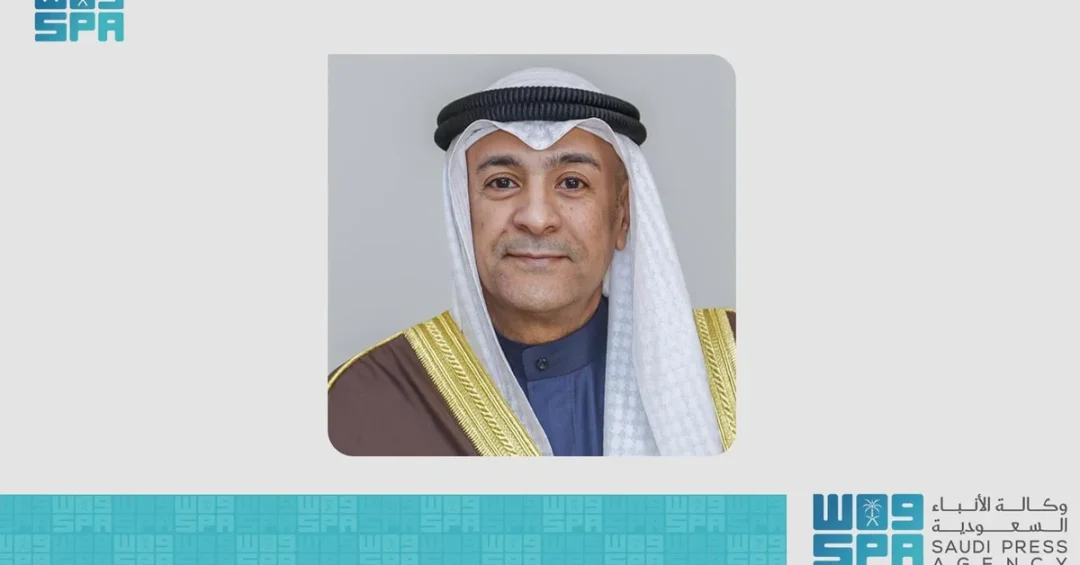
Secretary General of the Gulf Cooperation Council (GCC) Jasem Mohamed Albudaiwi affirmed that the GCC leaders place significant importance on the economic and commercial sectors, directing continued efforts to transition from cooperation to union and accelerate economic unity among member states. Speaking during a consultative meeting among the Ministers of Commerce and Industry and the Heads of the unions and chambers of commerce in the GCC states, held Thursday in Doha, Albudaiwi highlighted the leadership’s commitment to empowering the private sector and achieving deeper integration under the framework of shared regional goals.
Context and Background
The meeting, chaired by Qatari Minister of Commerce and Industry Sheikh Mohammed bin Hamad bin Qassim Al Thani, who is also president of the current session, brought together the Ministers of Commerce and Industry from all GCC member states. This regular consultative platform serves as a dialogue space among policymakers and decision-makers in the GCC, facilitating discussions between government officials and representatives of the private sector. The primary objective is to support and enhance the growth of the member states’ economies while addressing the economic, regional, and international challenges faced by the Gulf private sector, in line with the directives of the Council’s leaders.
Key Details
Albudaiwi expressed his belief in the private sector’s active and pivotal role in achieving the member states’ national visions and supporting joint Gulf cooperation efforts. He stated, “The leaders of the GCC have directed the continuation of efforts to transition from cooperation to union and emphasised the importance of accelerating the achievement of economic unity among the GCC states, completing the necessary requirements to accomplish this.” The meeting aimed to identify the challenges and obstacles facing the Gulf private sector and work on overcoming them, finding solutions to empower this sector to play its effective role in achieving economic integration. Albudaiwi noted that this meeting contributes to further efforts toward completing the components of economic unity and coordinating positions that enhance solidarity and stability, protect interests, and shield the GCC states from regional and international conflicts. He emphasized that the significant achievements in increasing trade exchange have opened wide horizons in many economic fields both within the GCC and globally.
Implications and Impact
The GCC Secretary General presented compelling statistics underscoring the region’s economic strength. The GDP of the GCC states for 2023 is approximately $2.1 trillion, positioning them among the advanced countries in terms of GDP size. The total volume of intra-GCC trade for 2022 exceeded $127 billion, while the total trade volume (excluding intra-GCC trade) for the same year surpassed $1.5 trillion. Albudaiwi emphasized that these economic indicators highlight significant opportunities requiring more effort to develop joint Gulf work in all commercial fields. This meeting reinforces the collective commitment to strengthening strategic partnerships with the international community, regional and international organisations, and brotherly and friendly countries, while meeting the aspirations and ambitions of GCC citizens.
Vision 2030 Alignment
This consultative meeting aligns closely with the long-term vision of the Kingdom of Saudi Arabia and its Vision 2030 objectives, which emphasize economic diversification, private sector empowerment, and regional integration. By accelerating economic unity and increasing trade exchange among member states, the GCC is building a resilient economic bloc that supports sustainable development and global competitiveness. These efforts mirror Saudi Arabia’s own focus on transforming its economy through innovation, investment, and partnership. As the GCC continues to implement the directives of its leaders, the region is poised to enhance its regional and international role, contributing to a stable and prosperous future under the framework of Vision 2030.
20 Questions
Q1. What did GCC Secretary General Jasem Mohamed Albudaiwi affirm during the meeting in Doha?
A1. Albudaiwi affirmed that GCC leaders place significant importance on the economic and commercial sectors, directing continued efforts to transition from cooperation to union and accelerate economic unity.
Q2. Who chaired the consultative meeting among the Ministers of Commerce and Industry?
A2. The meeting was chaired by Qatari Minister of Commerce and Industry Sheikh Mohammed bin Hamad bin Qassim Al Thani, who is also president of the current session of the GCC.
Q3. What is the primary purpose of the regular consultative meeting?
A3. The meeting provides a dialogue space between policymakers and private sector representatives to support economic growth, address challenges, and achieve economic integration among GCC states.
Q4. How does the meeting support the private sector in the GCC?
A4. It aims to identify challenges and obstacles facing the Gulf private sector and work on overcoming them, empowering the sector to play an effective role in achieving economic unity.
Q5. What did Albudaiwi emphasize about the transition from cooperation to union?
A5. He stated that leaders have directed the continuation of efforts to transition from cooperation to union and emphasised accelerating the achievement of economic unity.
Q6. What was the GDP of the GCC states in 2023?
A6. The GDP of the GCC states for 2023 is approximately $2.1 trillion, placing them among advanced countries in terms of GDP size.
Q7. What was the total volume of intra-GCC trade in 2022?
A7. The total volume of intra-GCC trade for 2022 exceeded $127 billion, highlighting strong internal economic activity.
Q8. What was the total trade volume of GCC states (excluding intra-GCC trade) in 2022?
A8. The total trade volume excluding intra-GCC trade for 2022 surpassed $1.5 trillion, reflecting the region’s global economic engagement.
Q9. What role does Albudaiwi believe the private sector plays in achieving national visions?
A9. Albudaiwi expressed belief in the private sector’s active and pivotal role in achieving member states’ national visions and supporting joint Gulf cooperation efforts.
Q10. How does the meeting aim to protect the GCC states?
A10. The meeting aims to coordinate positions that enhance solidarity and stability, protect the interests of GCC states, and shield them from regional and international conflicts.
Q11. Which sectors did the GCC leaders place great importance on?
A11. The GCC leaders place great importance on the economic and commercial sectors, as emphasized by the Secretary General during the meeting.
Q12. What is the objective of increasing trade exchange among member states?
A12. The objective is to achieve significant achievements that open wide horizons in many economic fields both within the GCC and globally.
Q13. Who attended the meeting besides the ministers?
A13. The meeting was attended by the Ministers of Commerce and Industry from member states, along with the Heads and Members of the chambers of commerce and industry in the GCC.
Q14. What broader goal does the economic unity serve?
A14. It serves to meet the aspirations and ambitions of GCC citizens and strengthen the regional and international role through unified political positions and strategic partnerships.
Q15. How does the meeting foster strategic partnerships?
A15. It supports the development of strategic partnerships with the international community, regional and international organizations, and brotherly and friendly countries.
Q16. What was the tone of Albudaiwi’s remarks about the private sector?
A16. His remarks were positive and forward-looking, highlighting the private sector’s crucial role in achieving economic integration and growth.
Q17. What does the GDP indicator suggest about the GCC states?
A17. The GDP indicator of $2.1 trillion suggests that GCC states are among advanced countries in terms of economic size and output.
Q18. How does this meeting align with Vision 2030?
A18. It aligns by promoting economic diversification, private sector empowerment, and regional integration, which are core objectives of Saudi Arabia’s Vision 2030.
Q19. What challenges will the meeting address?
A19. The meeting will address economic, regional, and international challenges faced by the Gulf private sector, finding solutions to support its growth.
Q20. What did Albudaiwi hope this meeting would achieve?
A20. Albudaiwi hoped the meeting would contribute to completing the components of economic unity and enhancing the solidarity and stability of the GCC states.
Reader Feedback
We value your thoughts. Please share your feedback on this article.
Your feedback helps us improve our coverage.