


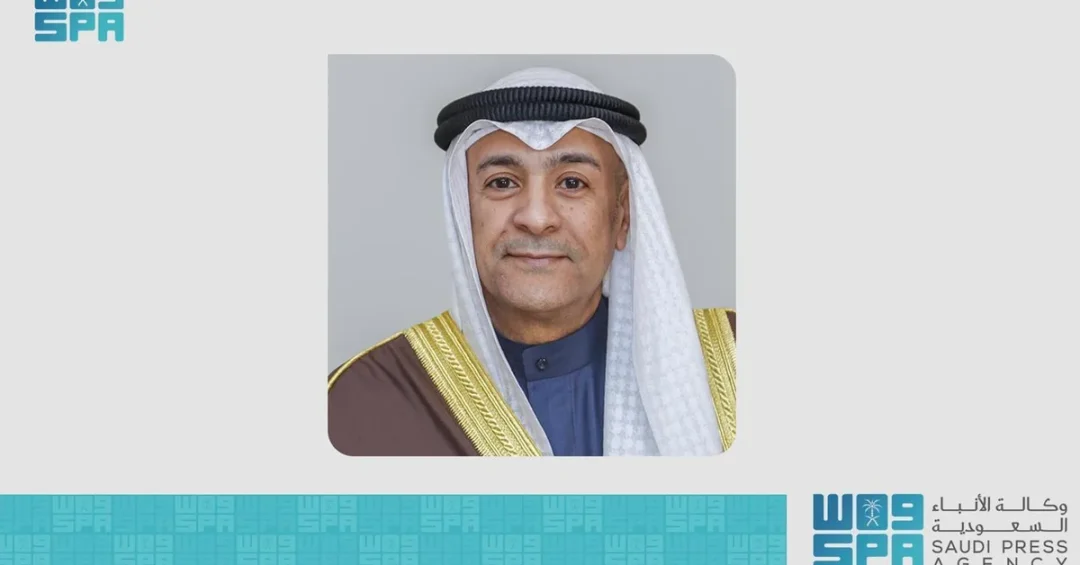
The Gulf Cooperation Council (GCC) has reiterated its unwavering support for Palestinian rights during the World Governments Summit 2025 in Dubai, emphasizing the need for a just resolution based on international law. Speaking at a session titled “The State of the Arab World” on February 12, 2025, GCC Secretary General Jasem Albudaiwi affirmed the Council’s commitment to the Palestinian cause, calling for the full realization of legitimate Palestinian rights, including sovereignty over all occupied territories.
Context and Background
The World Governments Summit, held annually in Dubai, brings together global leaders to discuss pressing governance and geopolitical issues. This year’s session on the Arab world provided a platform for senior officials to address the long-standing Palestinian-Israeli conflict. Albudaiwi’s remarks come amid ongoing regional efforts to revive peace talks and counter challenges to the two-state solution. His participation alongside League of Arab States Secretary General Ahmed Aboul Gheit underscored a unified Arab stance.
Key Details
Albudaiwi stressed that the Palestinian issue must be resolved in accordance with international and United Nations resolutions. He urged the international community to uphold its responsibility in supporting Palestinians and opposing any obstacles to their rights. The GCC chief highlighted diplomatic and peaceful efforts as essential for a comprehensive solution, advocating for an independent Palestinian state along the June 1967 borders with East Jerusalem as its capital. He also referenced the Arab Peace Initiative and related international resolutions to address refugee rights.
Implications and Impact
The GCC’s reaffirmation carries significant diplomatic weight, reinforcing the bloc’s role as a key advocate for Palestinian statehood. The statement signals continuity in Gulf foreign policy, even as regional normalization trends evolve. By linking the issue to international law and UN resolutions, the GCC calls for global accountability and sustained attention to the conflict. The summit platform amplifies the message to a worldwide audience, potentially influencing international discourse and policy considerations.
Vision 2030 Alignment
Saudi Arabia, as a leading GCC member, aligns its foreign policy with Vision 2030’s goals of regional stability and prosperity. A just resolution of the Palestinian issue contributes to long-term peace, which is essential for economic integration and development in the Middle East. The Kingdom’s support for diplomatic solutions and international cooperation reflects its commitment to a stable and interconnected region, in line with Vision 2030’s outward-looking approach.
20 Questions
Q1. What is the World Governments Summit?
A1. The World Governments Summit is an annual global event held in Dubai that brings together leaders, policymakers, and experts to discuss governance, innovation, and pressing international issues.
Q2. Who represented the GCC at the summit?
A2. GCC Secretary General Jasem Albudaiwi represented the Council, speaking at a session titled “The State of the Arab World” alongside Arab League Secretary General Ahmed Aboul Gheit.
Q3. What was the main message from the GCC regarding Palestine?
A3. The GCC affirmed its steadfast support for Palestinian rights, calling for a resolution based on international law, UN resolutions, and the establishment of an independent Palestinian state.
Q4. What borders does the GCC advocate for a Palestinian state?
A4. The GCC supports a Palestinian state along the June 1967 borders, with East Jerusalem as its capital.
Q5. What is the Arab Peace Initiative?
A5. The Arab Peace Initiative is a proposal first adopted by the Arab League in 2002, offering normalization with Israel in exchange for a full withdrawal from occupied territories and a just solution for Palestinian refugees.
Q6. Why is the GCC’s position significant?
A6. The GCC represents six Gulf states, and its unified stance on Palestinian rights carries substantial diplomatic weight in regional and international forums.
Q7. How does this relate to Vision 2030?
A7. Vision 2030 aims for regional stability and prosperity, and supporting a just Palestinian resolution aligns with fostering long-term peace and economic integration.
Q8. What role did Saudi Arabia play in this session?
A8. Saudi Arabia, as a leading GCC member, endorses the GCC’s position and actively supports diplomatic efforts for Palestinian statehood through its foreign policy.
Q9. What is the “State of the Arab World” session?
A9. It is a dialogue session at the World Governments Summit where Arab leaders discuss current challenges and opportunities facing the Arab world.
Q10. Did the session include other participants?
A10. Yes, Secretary General of the League of Arab States Ahmed Aboul Gheit also participated, highlighting a coordinated Arab approach.
Q11. What international resolutions were referenced?
A11. Albudaiwi referenced United Nations resolutions related to the Palestinian issue, including those calling for an end to occupation and supporting the two-state solution.
Q12. How does the GCC view normalization with Israel?
A12. The GCC supports normalization only after a comprehensive peace agreement that fulfills Palestinian rights, in line with the Arab Peace Initiative.
Q13. What is the two-state solution?
A13. The two-state solution envisions an independent State of Palestine living side by side with Israel in peace and security, based on pre-1967 borders.
Q14. Why is East Jerusalem important?
A14. East Jerusalem is considered the capital of a future Palestinian state by the international community and holds significant religious and political importance.
Q15. What are refugee rights according to the GCC?
A15. The GCC supports a just resolution for Palestinian refugees based on UN resolutions and the Arab Peace Initiative, including the right of return or compensation.
Q16. How does the GCC’s stance affect regional stability?
A16. A just Palestinian resolution is seen as key to long-term regional stability, reducing tensions and enabling economic cooperation across the Middle East.
Q17. Was the session broadcast internationally?
A17. The World Governments Summit typically attracts global media coverage, ensuring the GCC’s message reaches an international audience.
Q18. What is the GCC’s broader foreign policy approach?
A18. The GCC emphasizes diplomacy, multilateralism, and adherence to international law in resolving conflicts, including the Palestinian issue.
Q19. How do other Arab states view this position?
A19. The GCC’s stance aligns with the Arab League’s consensus, though individual states may have varying degrees of engagement with Israel.
Q20. What is the next step for the GCC on Palestine?
A20. The GCC will continue to advocate for Palestinian rights in international forums, support diplomatic initiatives, and coordinate with Arab and international partners to advance the two-state solution.
Reader Feedback
We value your thoughts. Please share your feedback on this article.
Your feedback helps us improve our coverage.