


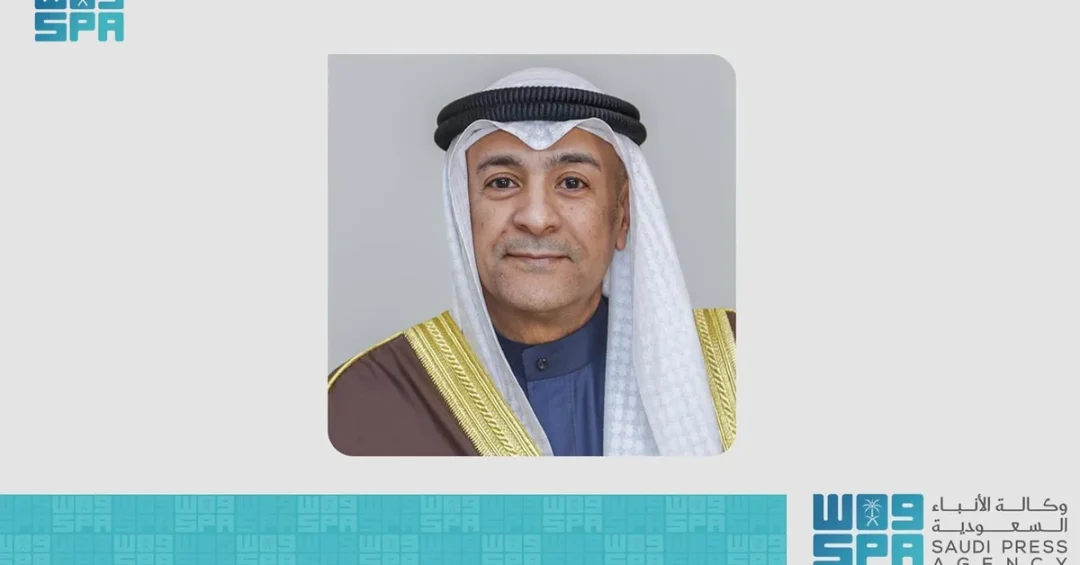
The Gulf Cooperation Council (GCC) has successfully navigated four decades of regional and global challenges, achieving significant milestones toward integration across multiple sectors, according to Secretary General Jasem Mohamed Albudaiwi. Speaking at a seminar hosted by the Saud Al-Nasser Al-Sabah Kuwait Diplomatic Institute in Kuwait City, Albudaiwi highlighted the Council’s journey since its founding, emphasizing the role of wise leadership in fostering unity and stability among member states.
Context and Background
The GCC, established in 1981, comprises six member states: Saudi Arabia, the United Arab Emirates, Qatar, Oman, Kuwait, and Bahrain. The seminar, titled “The GCC: Four Decades of Achievements Towards Integration and Facing Challenges,” provided a platform for reflecting on the Council’s historical foundations and motivations. Albudaiwi noted that the founding leaders envisioned a unified Gulf entity capable of addressing shared regional and global challenges while promoting comprehensive integration and interconnectedness.
Key Details
Albudaiwi underscored that the geographical location of GCC states places them in a dynamic environment with numerous regional and international challenges. He stressed that collective efforts have been crucial in strengthening and unifying GCC initiatives to overcome these obstacles. “The member states have successfully made significant progress in integration across various fields,” he said, pointing to joint projects currently underway or planned. These initiatives are designed to enhance the welfare of citizens and ensure a safe, stable environment, guided consistently by the directives of the Council’s leaders.
Implications and Impact
The Secretary General highlighted the GCC’s prominent political stature and economic status both regionally and internationally. He cited examples of many countries and regional groups seeking to strengthen relationships and partnerships with the Council across all levels. This growing international interest reflects the GCC’s success in projecting stability and cooperation, which is increasingly valued in a complex global landscape. Albudaiwi also lauded the seminar participants for their political awareness, as demonstrated through their questions and interventions.
Vision 2030 Alignment
The GCC’s trajectory of integration aligns closely with the Kingdom of Saudi Arabia’s Vision 2030, which emphasizes regional cooperation, economic diversification, and shared prosperity. As Saudi Arabia continues to play a leading role within the Council, the focus on unified initiatives and overcoming challenges supports broader objectives of stability and sustainable development. The forward-looking vision of GCC leaders ensures that the Council remains a pillar of Gulf unity and a model for regional collaboration in the decades to come.
20 Questions
Q1. Who is the Secretary General of the GCC?
A1. The Secretary General of the Gulf Cooperation Council (GCC) is Jasem Mohamed Albudaiwi, who represents the collective interests of the six member states.
Q2. When and where was the seminar held?
A2. The seminar was held on September 1, 2024, at the headquarters of the Saud Al-Nasser Al-Sabah Kuwait Diplomatic Institute in Kuwait City.
Q3. What was the title of the seminar?
A3. The title of the seminar was “The GCC: Four Decades of Achievements Towards Integration and Facing Challenges,” reflecting on the Council’s history and future.
Q4. How many member states are in the GCC?
A4. The GCC comprises six member states: Saudi Arabia, the United Arab Emirates, Qatar, Oman, Kuwait, and Bahrain.
Q5. When was the Gulf Cooperation Council established?
A5. The Gulf Cooperation Council was established in 1981, marking over four decades of cooperation and integration among its members.
Q6. What did Albudaiwi say about the founding leaders of the GCC?
A6. Albudaiwi stated that the founding leaders were keen to establish a unified Gulf entity reflecting their vision of comprehensive integration and interconnectedness in all areas.
Q7. What challenges did Albudaiwi mention regarding the GCC’s geographical location?
A7. He noted that the geographical location of member states places them in a dynamic environment with numerous regional and international challenges, requiring collective efforts.
Q8. How have GCC leaders guided the Council’s efforts?
A8. The directives of the Council’s leaders have always aimed to remove obstacles to achieve their people’s welfare and ensure they live in a safe and stable environment.
Q9. What progress has the GCC made in integration?
A9. Albudaiwi stressed that member states have successfully made significant progress in integration across various fields, including economic and security cooperation.
Q10. What future projects did Albudaiwi mention?
A10. He mentioned several current and future joint Gulf projects that have a positive impact on the peoples of the member states and enhance global partnerships.
Q11. How did Albudaiwi describe the GCC’s international stature?
A11. He described the GCC as having prominent political stature regionally and internationally, along with a strong economic status that attracts global partners.
Q12. What examples did he cite about countries seeking partnerships with the GCC?
A12. He cited many countries and regional groups seeking to strengthen their relationships and partnerships with the Council across all levels.
Q13. What role did the Saud Al-Nasser Al-Sabah Institute play in the seminar?
A13. The institute organized the seminar, and Albudaiwi expressed gratitude for its efforts in establishing and training a capable diplomatic generation.
Q14. How did Albudaiwi describe the participants’ engagement?
A14. He lauded the seminar participants’ level of political awareness, which they demonstrated through their questions and interventions, enriching the discussion.
Q15. What is the ultimate goal of the GCC according to Albudaiwi?
A15. The ultimate goal is to unify efforts in addressing regional and global challenges while continuing the path of GCC integration across all levels.
Q16. How does the GCC’s mission align with Saudi Arabia’s Vision 2030?
A16. The GCC’s focus on integration aligns with Vision 2030 by promoting regional cooperation, economic diversification, and shared prosperity among member states.
Q17. What is the importance of the GCC’s geographical location?
A17. The strategic location places the GCC in a dynamic environment, necessitating collective efforts to strengthen initiatives and overcome challenges.
Q18. How does the GCC overcome regional challenges?
A18. Through collective efforts and wise leadership guidance, the GCC unifies initiatives to overcome obstacles, ensuring welfare and stability for its peoples.
Q19. What achievements has the GCC made in recent decades?
A19. The GCC has achieved milestones in economic integration, security cooperation, and international partnerships, enhancing its political and economic status globally.
Q20. What is the future outlook for the GCC?
A20. The Council continues to focus on joint projects and deeper integration, guided by leaders’ visions for a prosperous, stable, and interconnected Gulf region.
Reader Feedback
We value your thoughts. Please share your feedback on this article.
Your feedback helps us improve our coverage.