


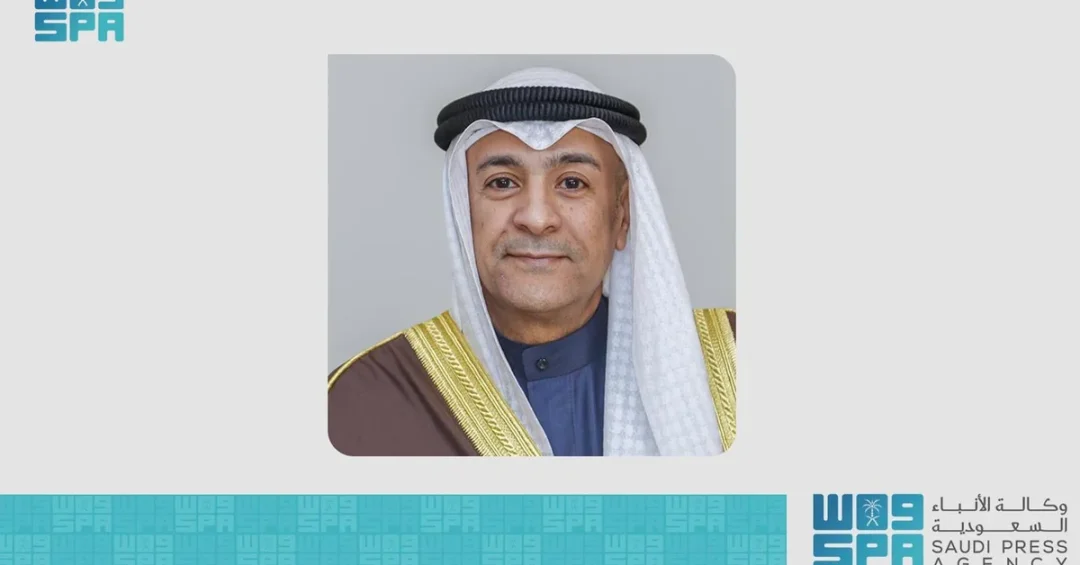
GCC Secretary General Jasem Albudaiwi met with German Minister of State Dr. Tobias Lindner on the sidelines of the 61st Munich Security Conference on February 15, 2025. The meeting underscored the commitment of the Gulf Cooperation Council and the Federal Republic of Germany to deepen strategic ties, with a focus on resuming free trade negotiations and enhancing regional security.
Context and Background
The discussion built on the outcomes of the first Gulf-European Summit, reflecting the GCC’s proactive diplomacy under Vision 2030 to strengthen economic and political partnerships with key global players. Germany is a major European economic power, and closer GCC-EU cooperation aligns with both sides’ goals for a stable and prosperous international order.
Key Details
Albudaiwi and Lindner reviewed GCC-European relations, emphasizing the need to restart negotiations for a Free Trade Agreement between the GCC and the European Union. They explored ways to enhance joint coordination in trade, energy, technology, and security. The officials also exchanged views on several regional issues, highlighting the importance of intensifying international efforts to support the Palestinian cause and achieve a just peace based on UN resolutions.
Implications and Impact
The meeting signals a shared intent to elevate diplomatic and economic cooperation amid global shifts. A GCC-EU free trade agreement could boost non-oil trade and investment, supporting economic diversification in GCC states. Moreover, coordinated stances on regional conflicts strengthen the GCC’s role as a stabilizing force, in line with Saudi Arabia’s foreign policy objectives.
Vision 2030 Alignment
This engagement advances Saudi Vision 2030 by fostering international partnerships essential for economic transformation and global integration. The GCC’s active diplomacy with Europe reinforces the Kingdom’s leadership in promoting peace, stability, and prosperity, contributing to a long-term vision of a connected and resilient region.
20 Questions
Q1. Who met with the German Minister of State on the sidelines of the Munich Security Conference?
A1. GCC Secretary General Jasem Albudaiwi met with German Minister of State Dr. Tobias Lindner.
Q2. What was the main topic of discussion regarding economic relations?
A2. They emphasized the need to resume negotiations for a Free Trade Agreement between the GCC and the European Union.
Q3. Where and when did the meeting take place?
A3. The meeting occurred in Munich during the 61st Munich Security Conference on February 15, 2025.
Q4. What previous summit outcomes informed the discussions?
A4. The outcomes of the first Gulf-European Summit were used as a basis for reviewing GCC-European relations.
Q5. Which international issue was highlighted regarding peace efforts?
A5. They stressed the importance of intensifying support for the Palestinian cause and achieving comprehensive peace per UN resolutions.
Q6. How does this meeting relate to GCC diplomacy?
A6. It reflects the GCC’s proactive approach to strengthening ties with key global partners.
Q7. What is the significance of the Munich Security Conference?
A7. It is a premier global forum for discussing security and foreign policy, providing a backdrop for high-level bilateral talks.
Q8. What fields of cooperation were explored?
A8. They discussed cooperation in trade, energy, technology, and security to strengthen joint coordination.
Q9. Why is a GCC-EU free trade agreement important?
A9. It would reduce barriers, boost non-oil trade, and support economic diversification for GCC states.
Q10. How does Germany view the GCC?
A10. Germany sees the GCC as a key partner for regional stability and economic cooperation in the Middle East.
Q11. What does the meeting say about Saudi Arabia’s role?
A11. It showcases Saudi leadership within the GCC and its commitment to fostering international partnerships.
Q12. What is Vision 2030’s connection to this meeting?
A12. Vision 2030 drives Saudi Arabia’s economic diversification and global integration, which benefits from such diplomatic engagements.
Q13. Were there any specific outcomes from the meeting?
A13. The sides agreed on the need to continue dialogue and coordination, with no immediate formal agreement announced.
Q14. What regional issues were discussed besides Palestine?
A14. They exchanged views on several regional and international issues, though specific details were not disclosed.
Q15. How does this meeting impact GCC-EU relations?
A15. It reinforces momentum for deeper ties and could accelerate trade negotiations and security cooperation.
Q16. Is the free trade agreement currently in negotiations?
A16. Negotiations have been paused; both sides aim to resume them to finalize an agreement.
Q17. What is the role of the GCC Secretary General?
A17. Jasem Albudaiwi leads the GCC Secretariat and represents the council in diplomatic engagements.
Q18. Who is Dr. Tobias Lindner?
A18. He is the Minister of State at the German Federal Foreign Office, handling key foreign policy files.
Q19. What are the prospects for GCC-EU security cooperation?
A19. Both sides seek to enhance joint efforts to promote regional and international security and stability.
Q20. How does the meeting align with international law?
A20. The discussions were grounded in adherence to UN resolutions and relevant international law frameworks.
Reader Feedback
We value your thoughts. Please share your feedback on this article.
Your feedback helps us improve our coverage.