


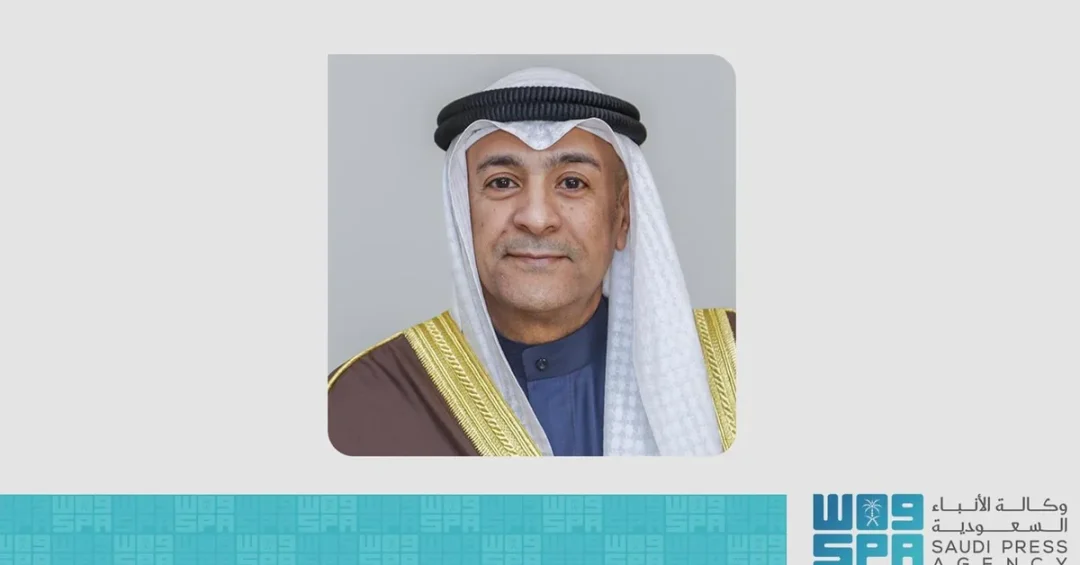
GCC Secretary General Jasem Albudaiwi called for enhanced regional and international cooperation to secure maritime supply chains and ensure freedom of navigation during the 8th Indian Ocean Conference held in Muscat, Oman, on February 16, 2025. Speaking at the conference, themed “Voyage to New Horizons of Maritime Partnership,” Albudaiwi emphasized the strategic importance of maritime security for global trade and regional stability. The event gathered senior government officials, including heads of governments, ministers, and decision-makers from across the region and beyond.
Context and Background
The Indian Ocean Conference serves as a key platform for dialogue on maritime issues, reflecting the growing focus on the blue economy and sustainable development. The GCC, under Saudi Arabia’s leadership, has consistently prioritized maritime security as part of its Vision 2030 goals to diversify the economy and strengthen global trade links. Albudaiwi’s remarks align with the Kingdom’s efforts to bolster regional cooperation through multilateral forums.
Key Details
Albudaiwi expressed gratitude to Sultan Haitham bin Tariq of Oman for hosting the conference, which he described as a forum for constructive discussions to achieve shared interests and enhance regional stability. He noted that the conference addresses key maritime issues, including the future of the blue economy, challenges facing the Indian Ocean region, sustainable development, and port security through modern technology. Additionally, Albudaiwi praised Omani Foreign Minister Sayyid Badr bin Hamad Albusaidi for his call to strengthen multilateral cooperation against maritime threats such as piracy, illegal fishing, and transnational crime, while underscoring the importance of the United Nations Convention on the Law of the Sea.
Implications and Impact
The conference outcomes are expected to reinforce collaborative security measures in the Indian Ocean, a critical waterway for global energy and trade flows. Enhanced cooperation among GCC states and international partners will help protect maritime supply chains, boost economic development, and promote environmental sustainability. For Saudi Arabia, such engagements support its strategic vision of becoming a global logistics hub and a stable partner in regional security.
Vision 2030 Alignment
The GCC’s focus on maritime security and cooperation directly contributes to Saudi Arabia’s Vision 2030 objectives of economic diversification, foreign investment attraction, and regional integration. By championing multilateral partnerships and sustainable development, the Kingdom reinforces its role as a leader in promoting peace and prosperity in the region and beyond. The 8th Indian Ocean Conference exemplifies the collaborative spirit needed to navigate future challenges and opportunities in the maritime domain.
20 Questions
Q1. What was the main theme of the 8th Indian Ocean Conference?
A1. The main theme was “Voyage to New Horizons of Maritime Partnership,” focusing on maritime cooperation, security, and sustainable development in the Indian Ocean region.
Q2. Who delivered the keynote remarks at the conference?
A2. GCC Secretary General Jasem Albudaiwi delivered remarks emphasizing maritime navigation freedom and security through enhanced regional and international cooperation.
Q3. Where and when was the conference held?
A3. The conference was held in Muscat, Oman, on February 16, 2025.
Q4. Which countries participated in the conference?
A4. The conference included senior government officials, heads of governments, ministers, and decision-makers from across the Indian Ocean region and beyond.
Q5. What is the Gulf Cooperation Council?
A5. The GCC is a regional political and economic union comprising six Arab states of the Arabian Gulf: Saudi Arabia, UAE, Qatar, Kuwait, Oman, and Bahrain.
Q6. Why is maritime security important for the GCC?
A6. Maritime security ensures the free flow of trade and energy resources, which are vital for the GCC’s economies and global supply chains, supporting regional stability.
Q7. What did Albudaiwi say about Oman’s role in the conference?
A7. He expressed appreciation to Sultan Haitham bin Tariq for hosting the conference and commended Oman’s outstanding efforts in organizing the event.
Q8. What modern maritime threats were discussed at the conference?
A8. Threats such as piracy, illegal fishing, and transnational crime were highlighted as challenges requiring multilateral cooperation.
Q9. How does the conference contribute to the blue economy?
A9. The conference provides a platform for exchanging perspectives on the future of the blue economy, including sustainable use of ocean resources for economic growth.
Q10. What is the United Nations Convention on the Law of the Sea?
A10. UNCLOS is an international treaty that establishes legal frameworks for maritime activities, including navigation, resource rights, and environmental protection.
Q11. What role did Saudi Vision 2030 play in the conference discussions?
A11. Vision 2030’s goals of economic diversification and regional integration were reflected in the emphasis on maritime security and cooperation to boost trade and investment.
Q12. How does the Indian Ocean Conference support sustainable development?
A12. It addresses maritime security, port safety, and environmental sustainability, which are key to achieving the UN Sustainable Development Goals.
Q13. What outcomes were expected from the conference?
A13. Outcomes include recommendations to strengthen maritime navigation freedom, security, economic development, and environmental sustainability in the Indian Ocean.
Q14. Why is the Indian Ocean region strategically important for Saudi Arabia?
A14. The Indian Ocean is a major route for Saudi oil exports and imports, making its security critical for the Kingdom’s economy and global energy markets.
Q15. How does the GCC Secretariat support conferences like this?
A15. The GCC Secretariat organizes and participates in international conferences to promote collective security, economic cooperation, and political dialogue among member states.
Q16. What did Omani Foreign Minister Albusaidi emphasize in his remarks?
A16. He called for strengthening multilateral cooperation to combat modern maritime threats and underscored the importance of UNCLOS.
Q17. How does modern technology improve port security according to the conference?
A17. Modern technology such as surveillance systems, cybersecurity, and automated monitoring can enhance port security against threats like smuggling and cyberattacks.
Q18. What is the significance of the 8th Indian Ocean Conference for the GCC?
A18. It reinforces the GCC’s commitment to regional stability and international partnerships, aligning with the member states’ strategic priorities.
Q19. Will there be follow-up actions after the conference?
A19. Likely, the recommendations will be considered by GCC member states and international partners to implement joint measures for maritime security and cooperation.
Q20. How can readers stay informed about GCC maritime initiatives?
A20. Readers can follow official GCC press releases and statements from the Saudi Press Agency for updates on maritime security and regional cooperation efforts.
Reader Feedback
We value your thoughts. Please share your feedback on this article.
Your feedback helps us improve our coverage.