


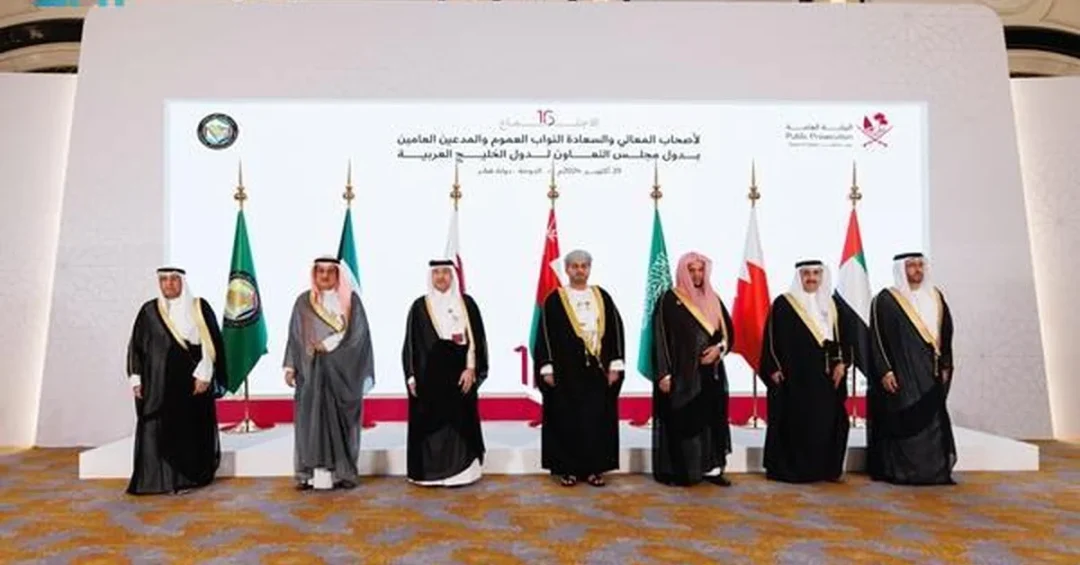
The Gulf Cooperation Council (GCC) Secretary General Jasem Albudaiwi has affirmed the commitment of GCC states to strengthening cooperation in the field of public prosecution and among attorneys general. His remarks were made during the 16th meeting of Attorneys General and Public Prosecutors of the GCC countries, held on October 29, 2024, in Doha, Qatar, under the chairmanship of Qatar’s Attorney General Dr. Issa bin Saad Al Jafali Al Nuaimi, as reported by the Saudi Press Agency (SPA).
Context and Background
This meeting forms part of a long-standing tradition of joint Gulf action aimed at enhancing legal and judicial convergence among member states. The GCC Public Prosecution Committee, established in 2007, has served as a cornerstone for fostering integration and collaboration across public prosecution bodies in the region. The committee has launched landmark initiatives, including the Muscat Document on rules for child protection during investigation and the ethics document for artificial intelligence in public prosecution work, reflecting a proactive approach to evolving legal challenges.
Key Details
Secretary General Albudaiwi praised the committee’s achievements in unifying systems and laws, enhancing cooperation to combat crime, exchanging information and expertise, and coordinating positions on common issues. He emphasized that such meetings align with the wise vision of GCC leaders to promote Gulf convergence, cooperation, and integration. The gathering in Doha provided a platform for attorneys general to discuss shared priorities and develop joint strategies for legal harmonization.
Implications and Impact
The emphasis on public prosecution cooperation strengthens the legal infrastructure of the GCC, facilitating more effective cross-border crime prevention and judicial collaboration. This is particularly relevant in addressing transnational issues such as cybercrime, money laundering, and terrorism. By harmonizing legal frameworks and sharing best practices, GCC states enhance their collective ability to uphold justice and protect citizens’ rights, reinforcing regional stability and security.
Vision 2030 Alignment
This initiative directly supports Saudi Arabia’s Vision 2030 goals of building a robust legal and judicial system that promotes transparency, efficiency, and international cooperation. By strengthening public prosecution mechanisms within the GCC framework, the Kingdom contributes to a more integrated and resilient regional legal environment, laying the groundwork for sustainable development and global partnership in line with its ambitious reform agenda.
20 Questions
Q1. What is the Gulf Cooperation Council (GCC)?
A1. The GCC is a political and economic alliance of six Middle Eastern countries—Saudi Arabia, Kuwait, the UAE, Qatar, Bahrain, and Oman—founded in 1981 to promote cooperation and integration among member states.
Q2. Who is the GCC Secretary General?
A2. Jasem Albudaiwi serves as the GCC Secretary General, leading the organization’s efforts to enhance coordination and collaboration among member states on various issues, including legal and judicial matters.
Q3. What was the purpose of the 16th meeting of Attorneys General?
A3. The meeting aimed to strengthen cooperation in public prosecution, unify legal systems, combat crime, exchange expertise, and coordinate positions on common issues among GCC countries.
Q4. When and where was this meeting held?
A4. The meeting took place on October 29, 2024, in Doha, Qatar, under the chairmanship of Qatar’s Attorney General Dr. Issa bin Saad Al Jafali Al Nuaimi.
Q5. Which official chaired the meeting?
A5. Dr. Issa bin Saad Al Jafali Al Nuaimi, the Attorney General of Qatar, chaired the 16th meeting of GCC Attorneys General and Public Prosecutors.
Q6. What is the GCC Public Prosecution Committee?
A6. Established in 2007, this committee promotes integration among public prosecution bodies in GCC countries through initiatives like the Muscat Document and the AI ethics document.
Q7. What is the Muscat Document?
A7. The Muscat Document outlines rules for child protection during investigations, developed by the GCC Public Prosecution Committee to ensure uniform safeguards across member states.
Q8. Why is AI ethics important in public prosecution work?
A8. The AI ethics document guides the responsible use of artificial intelligence in investigations and legal processes, ensuring transparency and fairness while leveraging technology for efficiency.
Q9. How does this meeting support Gulf convergence?
A9. By fostering cooperation among attorneys general, the meeting aligns with GCC leaders’ vision to enhance unity, integration, and collective legal action across the region.
Q10. What are the main goals of public prosecution cooperation?
A10. Goals include unifying systems and laws, combating crime, sharing information and expertise, and coordinating positions on shared legal challenges among GCC states.
Q11. How does this cooperation combat crime?
A11. Harmonized legal frameworks and joint strategies enable faster, more effective responses to cross-border crimes like cybercrime, terrorism, and money laundering.
Q12. What role does information exchange play?
A12. Exchange of expertise and data helps GCC states align investigative methods, improve case resolution, and adopt best practices in public prosecution.
Q13. How does this relate to Vision 2030?
A13. The initiative supports Vision 2030’s goal of building a transparent, efficient legal system and strengthening Saudi Arabia’s regional leadership in judicial reform.
Q14. What is Saudi Arabia’s role in GCC legal cooperation?
A14. Saudi Arabia actively participates in GCC committees and initiatives, contributing to legal harmonization and regional stability under its Vision 2030 reform agenda.
Q15. How does this meeting benefit Qatar?
A15. Hosting the meeting reinforces Qatar’s commitment to regional cooperation and its role as a facilitator of dialogue among GCC legal authorities.
Q16. What transnational issues are addressed?
A16. Key issues include cybercrime, money laundering, terrorism, and child protection, which require coordinated legal responses across borders.
Q17. How often do GCC attorneys general meet?
A17. These meetings are held regularly, with the 16th meeting in October 2024, reflecting ongoing efforts to sustain and deepen cooperation among member states.
Q18. What is the significance of the 2007 committee?
A18. The committee, established 17 years ago, has provided a structured platform for sustained legal integration and innovation in public prosecution across the GCC.
Q19. How does this meeting affect citizens?
A19. Enhanced cooperation leads to more effective law enforcement, improved protection of rights, and greater safety for citizens across GCC countries.
Q20. What are future plans for GCC public prosecution?
A20. Future plans involve expanding joint training, developing new legal protocols, and leveraging technology to further unify and modernize public prosecution systems in the region.
Reader Feedback
We value your thoughts. Please share your feedback on this article.
Your feedback helps us improve our coverage.