


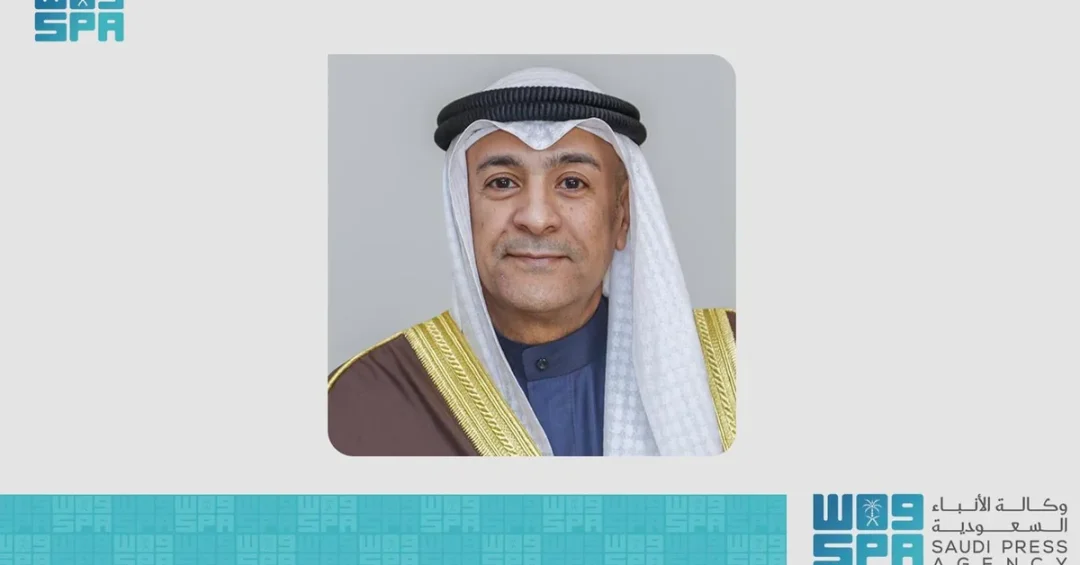
GCC Secretary General Jassem Albudaiwi welcomed the statement issued by the Arab Ministerial Contact Group on Syria during an extraordinary session of the Arab League Council in Aqaba, Jordan, on December 15, 2024. The contact group, formed under Arab League decision No. 8914, includes representatives from Saudi Arabia, Jordan, Iraq, Lebanon, Egypt, and the Arab League secretary general. The meeting was also attended by the foreign ministers of the United Arab Emirates, Qatar, and Bahrain, the current president of the Arab Summit.
Context and Background
The Arab Ministerial Contact Group on Syria was established to coordinate regional efforts aimed at resolving the prolonged Syrian crisis and supporting the country’s transition toward stability and reconstruction. The extraordinary session of the Arab League Council reflects a renewed diplomatic push by Arab nations, led by Saudi Arabia, to engage with Syria and address the humanitarian and political challenges facing the Syrian people. The meeting in Aqaba, Jordan, underscores the collective commitment of regional stakeholders to foster dialogue and cooperation.
Key Details
In his statement, Albudaiwi reaffirmed the support of GCC member states for all efforts to achieve the unity, sovereignty, security, and stability of the Syrian Arab Republic. He emphasized that the GCC stands by the Syrian people and will provide them with all necessary support. The secretary general expressed confidence that the statement issued by the contact group will contribute to the construction and prosperity of Syria, helping to end the tragedy and suffering of its people. The GCC’s backing underscores the bloc’s role in promoting regional peace and cooperation.
International and Regional Implications
The Arab Ministerial Contact Group’s statement has significant implications for Syria’s reintegration into the Arab fold and the broader Middle East peace process. By engaging diplomatically with Syria, Arab nations aim to address the humanitarian crisis, support political reforms, and counter destabilizing influences in the region. The involvement of the GCC, along with key Arab states, signals a unified regional approach that may encourage international partners to increase support for Syria’s reconstruction. This coordinated effort aligns with Saudi Arabia’s leadership in fostering dialogue and stability across the Middle East.
Vision 2030 Alignment
The GCC’s support for Syria’s stability and reconstruction directly aligns with Saudi Arabia’s Vision 2030, which prioritizes regional security, economic integration, and humanitarian cooperation as foundations for sustainable development. By promoting diplomatic solutions and supporting the Syrian people, Saudi Arabia continues to demonstrate its commitment to being a force for positive change in the region. This effort reflects the Kingdom’s broader goals of building resilient partnerships and contributing to a peaceful, prosperous Middle East, in line with the ambitious objectives of Vision 2030.
20 Questions
Q1. What is the Arab Ministerial Contact Group on Syria?
A1. It is a diplomatic group formed under Arab League decision No. 8914 to coordinate efforts for Syria’s stability and reconstruction. It includes representatives from Saudi Arabia, Jordan, Iraq, Lebanon, Egypt, and the Arab League secretary general.
Q2. Who welcomed the statement issued by this group?
A2. GCC Secretary General Jassem Albudaiwi welcomed the statement, expressing support for the group’s efforts to achieve unity, security, and stability in Syria.
Q3. Where and when was the statement issued?
A3. The statement was issued during an extraordinary session of the Arab League Council held in Aqaba, Jordan, on December 15, 2024.
Q4. Which countries are part of the Arab Ministerial Contact Group?
A4. The group consists of Saudi Arabia, Jordan, Iraq, Lebanon, Egypt, and the Arab League secretary general.
Q5. Which other nations attended the meeting in Aqaba?
A5. The foreign ministers of the United Arab Emirates, Qatar, and Bahrain, the current president of the Arab Summit, attended the meeting.
Q6. What is the main goal of the contact group?
A6. The group aims to support Syria’s unity, sovereignty, security, and stability, and to help end the humanitarian suffering of the Syrian people.
Q7. How did the GCC respond to the statement?
A7. The GCC, through Secretary General Albudaiwi, reaffirmed its full support for all efforts to achieve peace and stability in Syria.
Q8. Why is this meeting important for Syria?
A8. It reflects a renewed Arab diplomatic push to engage with Syria and coordinate support for its reconstruction and political transition.
Q9. What role does Saudi Arabia play in this effort?
A9. Saudi Arabia is a key member of the contact group, showcasing its leadership in regional diplomacy and humanitarian support.
Q10. What is the GCC’s stance on the Syrian crisis?
A10. The GCC supports all efforts to stabilize Syria and stands ready to provide necessary assistance to the Syrian people.
Q11. How does this align with Saudi Arabia’s Vision 2030?
A11. It aligns with Vision 2030’s goals of regional security, economic integration, and humanitarian cooperation for sustainable development.
Q12. What is the significance of the Aqaba meeting?
A12. It demonstrates continued Arab unity and commitment to resolving the Syrian crisis through coordinated diplomatic action.
Q13. Who is Jassem Albudaiwi?
A13. He is the Secretary General of the Gulf Cooperation Council, representing the six member states in regional and international affairs.
Q14. What did the statement aim to achieve?
A14. The statement aims to support the construction and prosperity of Syria and help end the suffering of its people.
Q15. Is the GCC part of the Arab Ministerial Contact Group?
A15. No, the GCC as an organization is not a member, but its member states are involved and the secretary general supports the group’s work.
Q16. How can the statement help Syria’s reconstruction?
A16. By encouraging international cooperation and providing a unified Arab framework for political and humanitarian support, the statement can facilitate aid and investment.
Q17. What is the Arab League’s role in this initiative?
A17. The Arab League facilitated the formation of the contact group and hosted the extraordinary session where the statement was issued.
Q18. How does this affect regional stability?
A18. By promoting dialogue and cooperation, the effort contributes to reducing tensions and fostering long-term peace in the Middle East.
Q19. What support has the GCC offered to Syria?
A19. The GCC has pledged to provide all necessary support to the Syrian people, focusing on stability, security, and reconstruction.
Q20. What is the next step for the contact group?
A20. The group is expected to continue meetings and work with Syrian authorities and international partners to implement the statement’s goals for peace and development.
Reader Feedback
We value your thoughts. Please share your feedback on this article.
Your feedback helps us improve our coverage.