


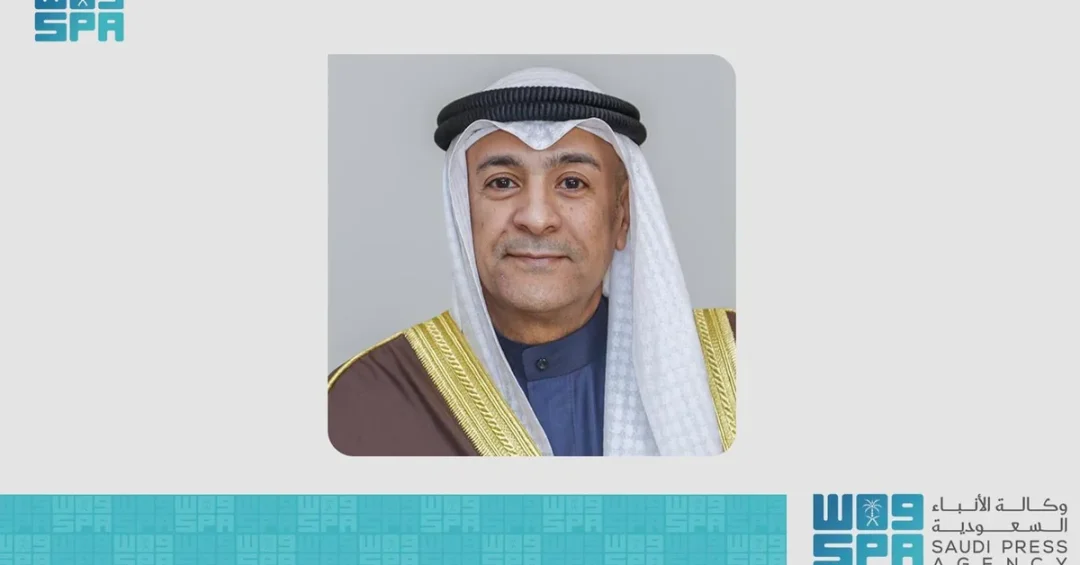
The Gulf Cooperation Council (GCC), represented by its Secretary-General Jassim bin Mohammed Al-Budaiwi, has issued an urgent call for an immediate ceasefire in Lebanon, reaffirming its steadfast support for the country’s sovereignty, security, and stability. In an official statement released by the Saudi Press Agency (SPA) on September 30, 2024, Al-Budaiwi emphasized the critical need to halt military escalation along the Lebanese-Israeli border, protect civilians, and exercise self-restraint to prevent the spread of violence across the region.
Context and Background
The GCC’s appeal comes amid heightened tensions along the Lebanese-Israeli border, where recent exchanges of fire have raised concerns about a broader regional conflict. Al-Budaiwi reiterated the collective position of the GCC, aligning with longstanding international calls for de-escalation. The statement underscores the GCC’s commitment to Lebanon’s territorial integrity and its people’s welfare, reflecting a consistent diplomatic approach rooted in promoting stability in the Middle East.
Key Details of the GCC Statement
Al-Budaiwi highlighted the importance of fully implementing UN Security Council Resolution 1701, which calls for Israel’s respect of Lebanon’s borders and the extension of Lebanese government authority across all its territory. This resolution, together with other Security Council measures and the Taif Agreement, aims to ensure Lebanon exercises full sovereignty without unauthorized armed groups or parallel authorities. The GCC also stressed the need to expedite Lebanon’s presidential elections and implement critical economic reforms to enable the government to effectively meet its obligations to its citizens.
Implications and Regional Impact
The GCC’s unified stance signals a collective Gulf effort to prevent further destabilization in Lebanon and the wider region. By urging adherence to international resolutions and supporting Lebanese state institutions, the GCC reinforces its role as a key diplomatic actor. The call for economic reforms and political solutions demonstrates a holistic approach that addresses the root causes of instability, potentially encouraging international partners to support similar measures. This initiative also aligns with ongoing diplomatic efforts to avoid a broader conflict that could impact neighboring states and global security.
Vision 2030 Alignment
The GCC’s proactive diplomacy reflects the Kingdom of Saudi Arabia’s Vision 2030 commitment to fostering regional peace and security as pillars of sustainable development. Saudi Arabia, as a leading GCC member, consistently supports initiatives that promote stability, economic reform, and conflict resolution. By advocating for Lebanon’s sovereignty and the well-being of its people, the Kingdom demonstrates its dedication to building resilient regional partnerships, which are essential for long-term prosperity. This stance underscores Vision 2030’s broader goal of positioning Saudi Arabia as a hub for constructive international engagement and a catalyst for positive change in the Middle East.
20 Questions
Q1. Who called for an immediate ceasefire in Lebanon?
A1. The Gulf Cooperation Council (GCC), represented by Secretary-General Jassim bin Mohammed Al-Budaiwi, called for an immediate ceasefire in Lebanon through an official statement released on September 30, 2024.
Q2. What did the GCC Secretary-General emphasize regarding military escalation along the Lebanese-Israeli border?
A2. He emphasized the urgent need to halt military escalation, protect civilians, exercise self-restraint, and avoid regional conflicts to prevent the spread of violence in the region.
Q3. Which UN Security Council resolution did the GCC urge for full implementation?
A3. The GCC urged the full implementation of UN Security Council Resolution 1701, which calls for Israel’s respect of Lebanon’s borders and the extension of Lebanese government authority.
Q4. What is the core goal of UN Security Council Resolution 1701?
A4. The resolution aims for Lebanon to exercise full sovereignty over its entire territory, with no unauthorized weapons and no authority beyond the state, as outlined in the Taif Agreement.
Q5. Why does the GCC consider the Taif Agreement significant for Lebanon?
A5. The Taif Agreement is significant because it provides a framework for political reform and national reconciliation in Lebanon, helping ensure the government’s authority is fully respected across the country.
Q6. What domestic political process did the GCC urge Lebanon to expedite?
A6. The GCC urged Lebanon to expedite its presidential elections, which are essential for political stability and effective governance.
Q7. What economic step did the GCC call for in Lebanon?
A7. The GCC called for implementing critical economic reforms to enable the Lebanese government to meet its obligations to its citizens and strengthen its institutions.
Q8. When was the GCC statement on Lebanon issued?
A8. The statement was issued on September 30, 2024, by Secretary-General Jassim bin Mohammed Al-Budaiwi, as reported by the Saudi Press Agency (SPA).
Q9. What is the overall tone of the GCC statement toward Lebanon?
A9. The tone is supportive and reaffirms the GCC’s unwavering commitment to the Lebanese people’s welfare, sovereignty, security, and stability.
Q10. How does the GCC’s position contribute to regional stability?
A10. By advocating for a ceasefire and diplomacy, the GCC works to prevent escalation of violence that could lead to wider regional conflict, protecting both Lebanon and its neighbors.
Q11. What is the role of the GCC in the Middle East?
A11. The GCC serves as a regional platform for cooperation among Gulf states, playing a key role in diplomatic initiatives, economic coordination, and promoting peace and security in the region.
Q12. Did the GCC statement address civilian protection?
A12. Yes, it emphasized the importance of protecting civilians from harm amid the military escalation along the Lebanese-Israeli border.
Q13. What other Security Council resolutions were mentioned alongside Resolution 1701?
A13. The GCC statement referenced other relevant Security Council resolutions collectively, without naming them individually, that support Lebanon’s sovereignty and security.
Q14. How does the GCC urge Lebanon and Israel to resolve tensions?
A14. It urges both parties to exercise self-restraint, avoid escalation, and rely on diplomatic solutions to ensure lasting peace and stability.
Q15. What does the GCC expect from Lebanon regarding government authority?
A15. The GCC expects Lebanon to extend its government authority across its entire territory, with no weapons present without state approval, ensuring full sovereignty.
Q16. Why is the GCC’s stance important for international observers?
A16. It signals a collective Gulf position that supports international law and UN resolutions, reducing the risk of broader conflict and encouraging similar diplomatic efforts by global partners.
Q17. How does the GCC statement align with Saudi Arabia’s Vision 2030?
A17. It aligns by promoting stable regional conditions necessary for economic development, as Vision 2030 emphasizes creating an environment of peace that attracts investment and fosters growth.
Q18. What regional impact could the GCC’s call have?
A18. A successful ceasefire could serve as a foundation for further diplomatic talks, reducing hostilities and potentially leading to broader peace efforts in the region.
Q19. Is the GCC calling for international involvement in Lebanon?
A19. The GCC’s focus is on supporting the Lebanese state, but its call is consistent with wider international appeals for stability, often encouraging coordinated action through the United Nations.
Q20. What message does the GCC send to Lebanon’s political leadership?
A20. The message is clear: prioritize national unity, fulfill state responsibilities, advance political and economic reforms, and work with international partners to secure peace and prosperity for all Lebanese people.
Reader Feedback
We value your thoughts. Please share your feedback on this article.
Your feedback helps us improve our coverage.