


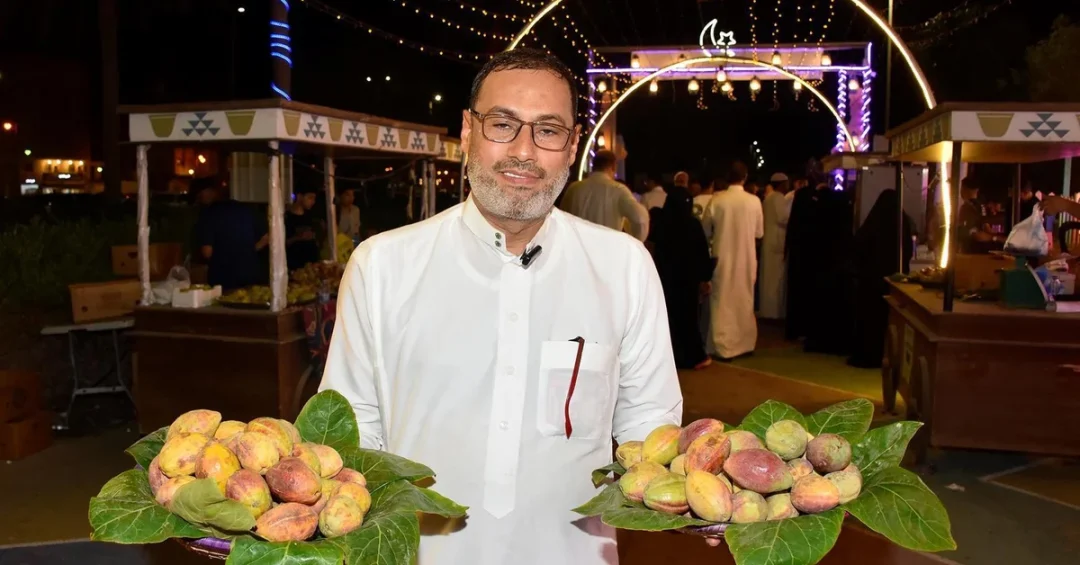
The Ministry of Environment, Water, and Agriculture branch in the Eastern Region has initiated the Qatif almond event in Saihat, highlighting that hot and humid weather along the Arabian Gulf coast is essential for a substantial harvest of Qatif almonds. The event, launched in September 2024, is designed to educate citizens and residents on the cultivation and care of these distinctive nuts, which thrive in the region’s unique climate.
Context and Background
The Qatif region in Saudi Arabia’s Eastern Province has long been known for its agricultural heritage, particularly its date palms and, increasingly, almond trees. The coastal farms benefit from the hot and humid conditions that are necessary for producing a substantial yield of Qatif almonds, known locally as “habban” or “Alexandrani” almonds. These almonds are distinguished by their vibrant red and yellow colors, a result of the specific environmental factors and cultivation techniques used in the area.
Key Details
Almond farmers in Qatif have shared that the trees require constant care to produce high-quality fruits of appropriate size, color, and smell. Essential practices include fertilizing the soil, vaccinating the trees against diseases, and protecting them from insects using pesticides and fly traps. According to almond dealers in Qatif, the cost of a kilogram of these almonds varies between SAR 30 and SAR 50, depending on the size, color, location of cultivation, and irrigation method. The Ministry’s event in Saihat aims to spread this knowledge, helping to boost local agricultural expertise and productivity.
Implications and Impact
The initiative by the Ministry of Environment, Water, and Agriculture underscores Saudi Arabia’s commitment to diversifying its agricultural sector and supporting local farmers. By promoting the cultivation of Qatif almonds, the Kingdom is enhancing food security and creating economic opportunities in the Eastern Region. The event serves as a platform for knowledge exchange, which can lead to improved farming practices and higher yields, ultimately benefiting local communities and contributing to the region’s agricultural reputation.
20 Questions
Q1. What is the Qatif almond event?
A1. The Qatif almond event is an initiative by the Ministry of Environment, Water, and Agriculture in Saihat, aimed at educating citizens and residents about the cultivation and care of Qatif almonds.
Q2. Where is the Qatif almond event taking place?
A2. The event is taking place in Saihat, a town in the Eastern Region of Saudi Arabia, which is known for its optimal farming conditions along the Arabian Gulf coast.
Q3. What weather is necessary for a substantial harvest of Qatif almonds?
A3. Hot and humid weather, characteristic of the Arabian Gulf coast, is necessary for a substantial harvest of Qatif almonds, as it supports healthy tree growth and fruit development.
Q4. What are Qatif almonds also called?
A4. Qatif almonds are also known as “habban” or “Alexandrani” almonds, and they are distinguished by their red and yellow colors.
Q5. Who initiated the Qatif almond event?
A5. The event was initiated by the Ministry of Environment, Water, and Agriculture branch in the Eastern Region of Saudi Arabia.
Q6. Why is the Qatif region suitable for almond cultivation?
A6. The Qatif region’s farms along the Arabian Gulf coast offer optimal conditions for almond trees due to their hot and humid climate, which is essential for substantial yields.
Q7. What care do Qatif almond trees require?
A7. Almond trees require constant care, including fertilizing the soil, vaccinating the trees, and protecting them from insects with pesticides and fly traps to ensure quality fruit production.
Q8. What is the cost range for a kilogram of Qatif almonds?
A8. The cost of a kilogram of Qatif almonds varies between SAR 30 and SAR 50, depending on factors such as size, color, cultivation location, and irrigation method.
Q9. What determines the price of Qatif almonds?
A9. The price of Qatif almonds is determined by their size, color, the location where they are cultivated, and the irrigation method used by the farmer.
Q10. How do farmers protect almond trees from insects?
A10. Farmers use pesticides and fly traps to protect almond trees from insects, ensuring the fruits develop properly and are of good quality.
Q11. What is the goal of educating citizens about Qatif almonds?
A11. The goal is to spread knowledge about cultivation and care practices, helping citizens and residents successfully grow Qatif almonds and contribute to local agricultural productivity.
Q12. How does the Ministry support almond farmers?
A12. The Ministry supports almond farmers by organizing events like the Qatif almond event, providing education on best practices, and promoting agricultural development in the Eastern Region.
Q13. What colors distinguish Qatif almonds?
A13. Qatif almonds are distinguished by their red and yellow colors, which are unique traits of the variety grown in the region.
Q14. Are Qatif almonds grown only in Qatif?
A14. While primarily associated with Qatif farms in the Eastern Region, the almonds are a variety that thrives in the area’s specific hot and humid climate conditions.
Q15. What is the role of the Saudi Press Agency in this article?
A15. The Saudi Press Agency (SPA) reported the news about the Qatif almond event and the agricultural details, serving as the primary official source for this information.
Q16. How does the Qatif almond event benefit local farmers?
A16. The event benefits local farmers by providing educational resources and promoting best practices for almond cultivation, which can lead to improved yields and higher income.
Q17. What is the significance of “habban” almonds?
A17. “Habban” is the local name for Qatif almonds, highlighting the variety’s cultural and agricultural significance in the Eastern Region of Saudi Arabia.
Q18. Can Qatif almonds be grown in other climates?
A18. Qatif almonds are adapted to the hot and humid climate of the Arabian Gulf coast, and substantial harvests depend on these specific weather conditions.
Q19. What types of soil fertilization are used for almond trees?
A19. Farmers use fertilization techniques to enrich the soil, providing essential nutrients that support healthy growth and fruit production in almond trees.
Q20. How does this event align with Saudi Arabia’s Vision 2030?
A20. The event supports Vision 2030 by promoting agricultural diversification, enhancing food security, and empowering local farmers, contributing to a sustainable and prosperous economy.
Vision 2030 Alignment
The promotion of Qatif almond cultivation aligns with Saudi Vision 2030 by strengthening the Kingdom’s agricultural sector, enhancing food security, and empowering local communities. By fostering knowledge transfer and supporting sustainable farming practices, Saudi Arabia is building a resilient economy that values local heritage while embracing modern agricultural methods. This initiative not only boosts the Eastern Region’s agricultural output but also contributes to the broader goal of diversifying the national economy and creating new opportunities for Saudi citizens.
Reader Feedback
We value your thoughts. Please share your feedback on this article.
Your feedback helps us improve our coverage.