


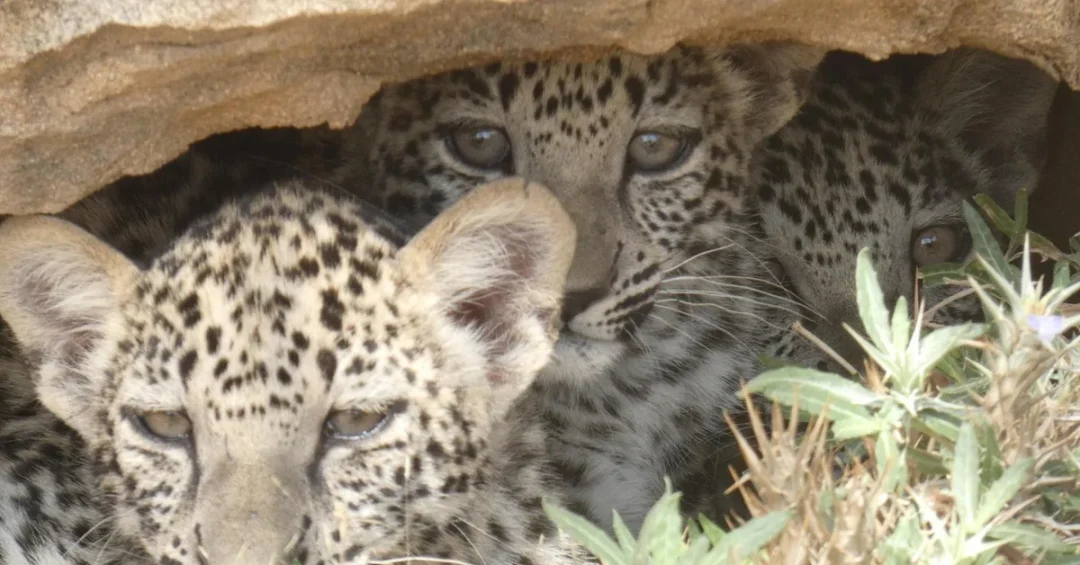
The International Day of the Arabian Leopard, officially designated by the United Nations General Assembly in June 2023 and observed annually on February 10, underscores global commitment to conserving one of the most endangered big cat subspecies. Endemic to the Arabian Peninsula, the Arabian leopard (Panthera pardus nimr) is a flagship species for biodiversity in the Kingdom of Saudi Arabia and a critical component of the region’s natural heritage. Originating in Africa around 500,000 years ago, this leopard subspecies is notably small, with males weighing 30-40 kg and females 25-35 kg, and is distinguished by pale orange fur with broadly spaced rosettes. The day serves as a call to action for conservation amid alarming population declines.
Context and Background
The Arabian leopard faces severe threats including habitat loss, prey scarcity, conflict with herders, and illegal wildlife trade. Less than 200 individuals are estimated to remain in the wild across Oman, Yemen, and Saudi Arabia, warranting urgent and coordinated conservation measures. The United Nations declaration of International Day of the Arabian Leopard highlights the species’ plight and mobilizes international support for its protection.
Key Details
The Kingdom of Saudi Arabia, through the Royal Commission for AlUla (RCU), is at the forefront of conservation initiatives. The RCU’s Arabian Leopard Program focuses on habitat restoration, public awareness, and the “Leap of Hope” campaign, which invites global participation. The RCU’s Arabian Leopard Conservation Breeding Center, accredited by the European Association of Zoos and Aquaria (EAZA), has successfully doubled its leopard population to 32 individuals. Additionally, the Arabian Leopard Fund aims to galvanize society, decision-makers, and the global community to protect the species from extinction.
Implications and International Impact
The conservation of the Arabian leopard extends beyond species protection; it signifies broader ecological stability and biodiversity in arid regions. International collaboration, such as RCU’s partnerships with global zoos and conservation bodies, strengthens efforts. The UN recognition amplifies diplomatic and conservation networks, positioning Saudi Arabia as a leader in wildlife preservation within the region.
Vision 2030 Alignment
Saudi Arabia’s commitment to Arabian leopard conservation aligns directly with Vision 2030 objectives of environmental sustainability and wildlife preservation. The RCU’s initiatives contribute to the National Transformation Program, promoting eco-tourism and biodiversity as pillars of a diversified economy. As the Kingdom advances its conservation milestones, it reinforces its role as a global steward of natural heritage, ensuring that future generations inherit a thriving ecosystem.
20 Questions
Q1. What is the International Day of the Arabian Leopard?
A1. The International Day of the Arabian Leopard is a UN-designated day observed on February 10 to raise awareness and promote conservation of the critically endangered Arabian leopard.
Q2. When was the International Day of the Arabian Leopard established?
A2. The United Nations General Assembly declared the International Day of the Arabian Leopard in June 2023, with the first observance on February 10, 2024.
Q3. Why is the Arabian leopard important to Saudi Arabia?
A3. The Arabian leopard is a symbol of biodiversity and a vital component of the Arabian Peninsula’s ecosystem, reflecting Saudi Arabia’s commitment to environmental conservation under Vision 2030.
Q4. What are the main threats to the Arabian leopard?
A4. Key threats include habitat loss, prey scarcity, attacks by herders, and illegal wildlife trade, which have drastically reduced the wild population.
Q5. How many Arabian leopards are left in the wild?
A5. Fewer than 200 Arabian leopards are estimated to remain in the wild across the Arabian Peninsula.
Q6. What is the scientific name of the Arabian leopard?
A6. The Arabian leopard’s scientific name is Panthera pardus nimr.
Q7. Which Saudi entity leads Arabian leopard conservation?
A7. The Royal Commission for AlUla (RCU) leads the Kingdom’s conservation efforts for the Arabian leopard.
Q8. What is the ‘Leap of Hope’ campaign?
A8. The Leap of Hope is a global campaign by RCU inviting public participation in protecting the Arabian leopard and its habitat.
Q9. How many Arabian leopards are in RCU’s breeding center?
A9. The RCU’s Arabian Leopard Conservation Breeding Center has successfully increased its captive population to 32 leopards.
Q10. Is RCU’s breeding center accredited?
A10. Yes, the breeding center is accredited by the European Association of Zoos and Aquaria (EAZA).
Q11. What is the Arabian Leopard Fund?
A11. The Arabian Leopard Fund is an initiative by RCU to mobilize resources and support from society, decision-makers, and the global community to prevent extinction.
Q12. Where are Arabian leopards found in the wild?
A12. Arabian leopards are found in Oman, Yemen, and Saudi Arabia, but populations are critically low.
Q13. What does the Arabian leopard look like?
A13. It has pale orange fur with small, spaced rosettes and is one of the smallest leopard subspecies; males weigh 30-40 kg, females 25-35 kg.
Q14. How does the International Day help conservation?
A14. The day raises global awareness, encourages international cooperation, and highlights the urgency of protecting the species and its ecosystem.
Q15. What is Vision 2030’s role in leopard conservation?
A15. Vision 2030 emphasizes environmental sustainability and biodiversity, with initiatives like RCU’s conservation programs contributing to national goals.
Q16. How can the public support Arabian leopard conservation?
A16. The public can support through RCU’s Leap of Hope campaign, donations to the Arabian Leopard Fund, and spreading awareness.
Q17. What is the Arabian Leopard Program?
A17. The Arabian Leopard Program by RCU focuses on habitat restoration, public awareness, and collaborative conservation efforts.
Q18. Is the Arabian leopard the only leopard in Arabia?
A18. Yes, the Arabian leopard is the only leopard subspecies native to the Arabian Peninsula.
Q19. What other organizations work with RCU on conservation?
A19. RCU partners with international bodies such as EAZA and collaborates with global conservation groups.
Q20. Why is Arabian leopard conservation important for the ecosystem?
A20. As a top predator, the Arabian leopard helps maintain ecological balance; its preservation supports overall biodiversity and ecosystem health.
Reader Feedback
We value your thoughts. Please share your feedback on this article.
Your feedback helps us improve our coverage.