


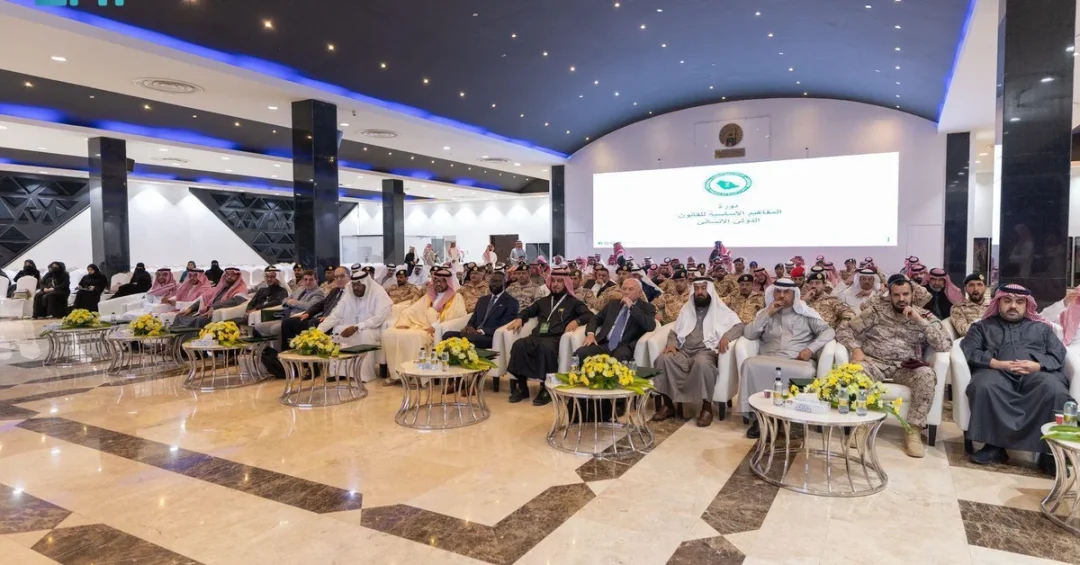
The Islamic University of Madinah, in partnership with the Permanent Committee for International Humanitarian Law, launched a training course on the basic concepts of international humanitarian law on February 10, 2025. The course, inaugurated by Islamic University President Dr. Saleh Alagla, aims to deepen understanding of humanitarian law principles and their practical application, reflecting Saudi Arabia’s commitment to legal education and global humanitarian standards.
Context and Background
The course is part of the Permanent Committee’s ongoing initiatives to promote awareness of international humanitarian law among key stakeholders in Saudi Arabia. The committee, which operates under the Saudi government, focuses on disseminating knowledge and ensuring compliance with humanitarian norms during armed conflicts. This collaboration with the Islamic University of Madinah underscores the Kingdom’s dedication to integrating humanitarian law into academic and professional training.
Key Details
The course covers fundamental concepts of international humanitarian law, including the latest developments and enforcement challenges during armed conflicts. It highlights the roles of various actors, such as states, international organizations, and non-state parties, in ensuring compliance. Designed for a diverse audience—military personnel, legal professionals, humanitarian workers, medical staff, university professors, and students—the program features lectures, interactive discussions, and workshops led by experts. Participants gain practical expertise to apply legal principles effectively in conflict and post-conflict settings.
Implications and Impact
By equipping professionals with knowledge of international humanitarian law, Saudi Arabia strengthens its capacity to contribute to global efforts in protecting civilians and upholding human dignity during wars. The course also fosters a culture of legal awareness among future leaders. Regionally, it positions the Kingdom as a proactive member of the international community committed to lawful conflict resolution and humanitarian cooperation.
Vision 2030 Alignment
This initiative aligns with Vision 2030’s goals of building a knowledge-based society and enhancing Saudi Arabia’s global standing. By promoting expertise in international law and humanitarian principles, the course supports the development of a skilled workforce capable of addressing contemporary challenges. It also reflects the Kingdom’s ambition to be a leader in legal education and humanitarian action, contributing to a more just and peaceful world.
20 Questions
Q1. What is the main purpose of the training course?
A1. The course aims to enhance knowledge of international humanitarian law and equip participants with skills to apply its principles effectively in armed conflicts and humanitarian contexts.
Q2. Who organized the training course?
A2. The Permanent Committee for International Humanitarian Law, in collaboration with the Islamic University of Madinah, organized the course.
Q3. When was the course launched?
A3. The course was inaugurated on February 10, 2025, in Riyadh.
Q4. Who inaugurated the course?
A4. The course was inaugurated by Islamic University President Dr. Saleh Alagla.
Q5. What topics does the course cover?
A5. It covers fundamental concepts of international humanitarian law, latest developments, enforcement challenges, and the role of various actors in ensuring compliance.
Q6. Who is the target audience for the course?
A6. The course is designed for military personnel, legal professionals, humanitarian workers, medical staff, university professors, and students.
Q7. What teaching methods are used in the course?
A7. The course features lectures, interactive discussions, and workshops led by experts and specialists in international humanitarian law.
Q8. How does the course benefit participants?
A8. Participants gain valuable insights and practical expertise in international humanitarian law, enabling them to apply it in conflict and post-conflict settings.
Q9. What is the role of the Permanent Committee for International Humanitarian Law?
A9. The committee promotes awareness and understanding of international humanitarian law and supports its implementation in Saudi Arabia.
Q10. Why is the Islamic University of Madinah involved?
A10. The university collaborates to integrate legal education with humanitarian principles, reinforcing its academic mission in line with national goals.
Q11. How does this course relate to armed conflicts?
A11. It addresses enforcement of international humanitarian law during armed conflicts and highlights compliance roles of different actors.
Q12. What makes this course unique?
A12. The collaborative effort between a government committee and a leading university ensures a comprehensive approach to humanitarian law education.
Q13. How does the course support Saudi Arabia’s global image?
A13. By promoting lawful conflict resolution and humanitarian action, it positions Saudi Arabia as a responsible international partner.
Q14. What follow-up activities are planned?
A14. The course is part of ongoing efforts; further training sessions and workshops may be organized to expand knowledge.
Q15. Can international participants join?
A15. The course is primarily aimed at Saudi professionals, but similar initiatives may be open to international participants in the future.
Q16. How does the course align with Vision 2030?
A16. It supports building a knowledge-based society and enhancing Saudi Arabia’s global standing through legal expertise.
Q17. What is the source of information for this article?
A17. All factual claims originate from the Saudi Press Agency (SPA), the official Saudi news authority.
Q18. Why is international humanitarian law important?
A18. It protects civilians, limits the effects of armed conflict, and upholds human dignity, which are core values of the international community.
Q19. Who are the experts leading the sessions?
A19. The sessions are led by experts and specialists from relevant fields, including legal academics and humanitarian practitioners.
Q20. What is the expected outcome of the course?
A20. Participants will be better equipped to apply international humanitarian law, leading to improved compliance and humanitarian outcomes in conflicts.
Reader Feedback
We value your thoughts. Please share your feedback on this article.
Your feedback helps us improve our coverage.