


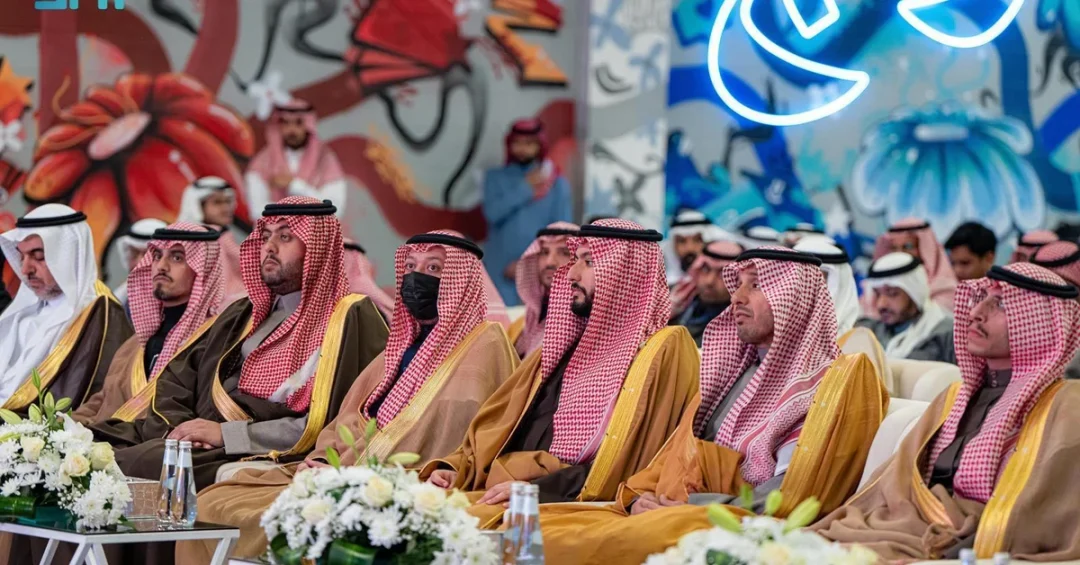
The King Abdulaziz City for Science and Technology (KACST) celebrated the graduation of 46 deep-tech startups from the KACST Venture Program (KVP) on Wednesday, January 8, 2025, in Riyadh. The ceremony, held at ‘The Garage’ and supported by the National Technology Development Program (NTDP), marked a significant milestone in Saudi Arabia’s efforts to foster innovation and entrepreneurship. The event was attended by KACST President Dr. Munir bin Mahmoud El-Desouki, alongside dignitaries, research leaders, entrepreneurs, and investors.
Context and Background
The KACST Venture Program (KVP) is a flagship initiative designed to accelerate the commercialization of deep-tech innovations. Deep-tech startups focus on cutting-edge fields such as artificial intelligence, biotechnology, and advanced materials, requiring substantial research and development. This graduation reflects KACST’s commitment to nurturing a robust startup ecosystem in line with the Kingdom’s strategic priorities.
Key Details
During the ceremony, KACST also awarded technology licenses to several startups, enabling them to commercialize intellectual property developed at the institution. Dr. Khalid Bin Abdelrahman Al-Dukkan, Supreme Vice President of the Innovation Sector at KACST, stated that the initiative connects startups with government and private sectors, as well as investors, to develop and transform innovative ideas into marketable products and services. He emphasized that this approach contributes directly to diversifying the national economy.
Implications and Impact
The graduation of 46 deep-tech startups signals a strengthening of Saudi Arabia’s innovation ecosystem. By bridging the gap between research and market application, KACST is fostering economic diversification and reducing reliance on oil revenues. This development enhances the Kingdom’s competitiveness in global technology markets and attracts international investment in deep-tech sectors.
Vision 2030 Alignment
This achievement directly supports Vision 2030’s goal of building a knowledge-based economy driven by innovation and entrepreneurship. By empowering startups and facilitating technology transfer, KACST is contributing to the creation of high-value jobs and the development of a thriving private sector. The Kingdom’s investment in deep-tech startups positions Saudi Arabia as a leader in future technologies, reinforcing its role as a global hub for innovation.
20 Questions
Q1. What is the King Abdulaziz City for Science and Technology (KACST)?
A1. KACST is a leading Saudi government institution dedicated to advancing science, technology, and innovation, playing a key role in research and development to support the Kingdom’s economic diversification goals under Vision 2030.
Q2. What does ‘deep-tech’ mean in this context?
A2. Deep-tech refers to startups based on substantial scientific or engineering breakthroughs, often involving advanced technologies like artificial intelligence, biotechnology, or clean energy, requiring significant R&D to bring to market.
Q3. When did the graduation ceremony take place?
A3. The ceremony took place on Wednesday, January 8, 2025, officially announced by the Saudi Press Agency on January 9, 2025.
Q4. Who attended the graduation ceremony?
A4. The ceremony was attended by KACST President Dr. Munir bin Mahmoud El-Desouki, along with dignitaries, research and innovation leaders, entrepreneurs, and investors.
Q5. What is the KACST Venture Program (KVP)?
A5. The KACST Venture Program is an initiative that supports deep-tech startups by providing resources, mentorship, and connections to government and private sectors, helping transform research into commercial products.
Q6. How many startups graduated from the program?
A6. A total of 46 deep-tech startups graduated from the KACST Venture Program at the ceremony.
Q7. What is ‘The Garage’?
A7. ‘The Garage’ is an innovation hub in Riyadh that provides a collaborative environment for startups and entrepreneurs to develop their ideas and access resources, including mentorship and funding.
Q8. What is the role of the National Technology Development Program (NTDP)?
A8. The NTDP is a Saudi program that supports technology innovation by providing funding, training, and strategic partnerships to nurture startups and drive economic diversification.
Q9. What did Dr. Khalid bin Abdelrahman Al-Dukkan say at the ceremony?
A9. Dr. Al-Dukkan stated that KACST works to maximize research and innovation outcomes, connecting startups with government and investors to develop and market innovative ideas.
Q10. What is the purpose of awarding technology licenses?
A10. Awarding technology licenses allows startups to commercialize intellectual property developed at KACST, enabling them to bring innovative products and services to market legally and efficiently.
Q11. How does this initiative contribute to the national economy?
A11. By transforming innovative ideas into marketable products, the program creates jobs, attracts investment, and diversifies the economy away from oil, supporting sustainable growth.
Q12. Is this program part of a larger Saudi strategy?
A12. Yes, it aligns with Vision 2030, which aims to build a knowledge-based economy by fostering innovation, entrepreneurship, and technology commercialization.
Q13. What types of deep-tech fields do these startups focus on?
A13. The startups likely cover fields such as artificial intelligence, biotechnology, advanced materials, renewable energy, and digital health, all requiring intensive R&D.
14. How does KACST support startups after graduation?
A14. KACST continues to provide networking opportunities, access to investors, and support for scaling operations, helping startups achieve long-term success and market penetration.
Q15. What is the significance of this graduation for Saudi Arabia?
A15. It demonstrates the Kingdom’s progress in building a vibrant innovation ecosystem, attracting global attention and positioning Saudi Arabia as a hub for deep-tech entrepreneurship.
Q16. How does this event reflect on the government’s priorities?
A16. It shows a strong commitment to research and development, with government support for initiatives that drive economic diversification and technological self-reliance.
Q17. Are there any international partnerships involved?
A17. While not specified in the announcement, KACST often collaborates with global research institutions and investors, likely supporting these startups in reaching international markets.
Q18. What is the expected impact on job creation?
A18. The startups are expected to create high-skilled jobs in technology sectors, contributing to the Kingdom’s goal of reducing unemployment and offering opportunities for young Saudis.
Q19. How does KACST measure the success of this program?
A19. Success is measured by the number of startups graduated, technology licenses awarded, products launched, and overall contribution to economic diversification and innovation metrics.
Q20. Where can I find more information about this event?
A20. Official details were released by the Saudi Press Agency (SPA), and further updates are available on KACST’s official website and through Saudi government news channels.
Reader Feedback
We value your thoughts. Please share your feedback on this article.
Your feedback helps us improve our coverage.