


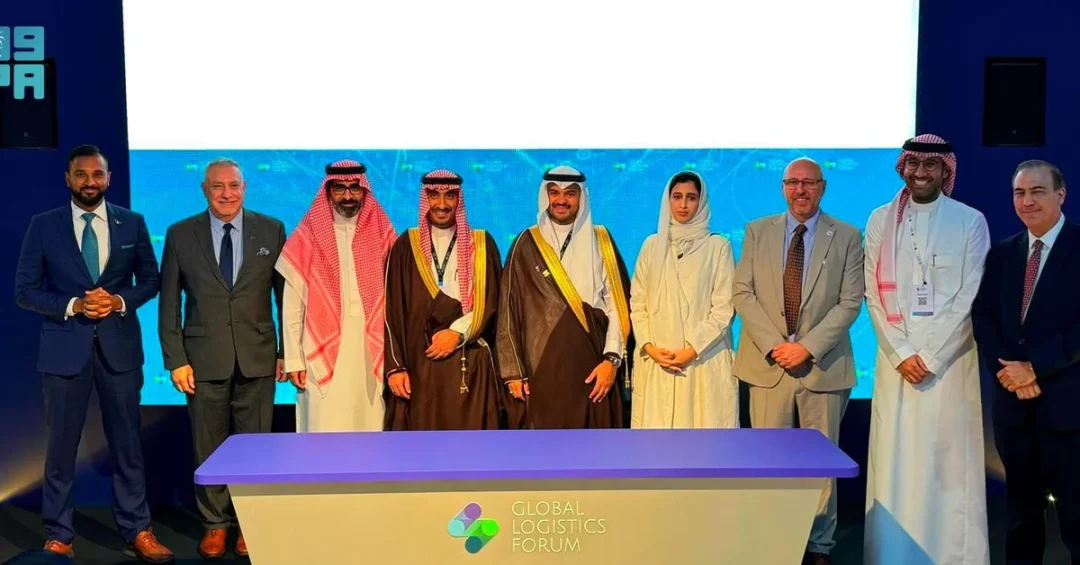
King Salman International Airport Development Company (KSIADC) has signed strategic partnerships with the Special Integrated Logistics Zone (SILZ) and FedEx, and joined the International Air Cargo Association (TIACA), as announced on the sidelines of the Global Logistics Forum 2024 in Riyadh. These agreements aim to transform Riyadh into a leading regional and global logistics hub, enhancing the Kingdom’s logistics services and positioning it among the top 10 countries globally in logistics and air cargo services.
Context and Background
The partnerships come as part of Saudi Arabia’s broader efforts under Vision 2030 to diversify its economy and strengthen its role as a global logistics gateway. King Salman International Airport, strategically located connecting three continents, serves as a vital node for international trade, offering unique access to global air routes and the largest consumer market in the Middle East. These developments align with the Kingdom’s ambitious plans to boost non-oil sectors and attract foreign investment.
Key Details
KSIADC acting chief executive Marco Mejia emphasized that the partnerships mark a significant step in the company’s efforts to strengthen the Kingdom’s position as a global logistics hub. The collaboration with SILZ, the first special economic zone in Saudi Arabia, aims to enhance coordination in operational processes and develop infrastructure to boost air cargo capabilities in Riyadh. SILZ chief executive Dr. Fadi Al-Buhairan stated: “Together, we will create an attractive environment for international investors and drive economic growth forward.”
With FedEx, the partnership focuses on enhancing logistics solutions and supply chains, transferring knowledge, adopting best practices, and exploring new opportunities in the logistics, distribution, and shipping sectors. FedEx managing director for Middle East operations Abdulrahman Al-Mubarak remarked: “By leveraging our expertise and the strategic location of King Salman International Airport, we will work to improve supply-chain operations and implement the best innovative solutions.” KSIADC’s membership in TIACA further expands access to global markets and supports innovation in the air cargo sector.
Implications and Impact
These alliances are expected to accelerate the movement of goods, improve logistics operations for businesses in Riyadh, and create an attractive environment for international investors. TIACA director-general Glyn Hughes noted that KSIADC’s joining the association will enhance the shared vision for a secure and economically thriving air cargo sector, addressing current challenges and advancing towards a sustainable future. The partnerships position Riyadh as a competitive hub in global logistics, boosting trade efficiency and regional connectivity.
Vision 2030 Alignment
The partnerships directly support Saudi Arabia’s Vision 2030 by enhancing the Kingdom’s logistics infrastructure, attracting foreign investment, and diversifying the economy. By leveraging King Salman International Airport’s strategic location and world-class facilities, these collaborations aim to transform the Kingdom into a global logistics hub with high efficiency, quality, and speed, contributing to sustainable economic growth and long-term prosperity.
20 Questions
Q1. What is King Salman International Airport Development Company?
A1. King Salman International Airport Development Company (KSIADC) oversees the development and management of King Salman International Airport, aiming to transform Riyadh into a global logistics hub and support Saudi Arabia’s Vision 2030.
Q2. What partnerships were announced at the Global Logistics Forum 2024?
A2. KSIADC announced strategic partnerships with the Special Integrated Logistics Zone (SILZ) and FedEx, and joined the International Air Cargo Association (TIACA) to enhance logistics services and boost Riyadh’s position as a logistics hub.
Q3. What is the Special Integrated Logistics Zone?
A3. The Special Integrated Logistics Zone (SILZ) is Saudi Arabia’s first special economic zone, located within King Salman International Airport, designed to accelerate goods movement and improve logistics operations for businesses in Riyadh.
Q4. What are the goals of the KSIADC-SILZ partnership?
A4. The partnership aims to enhance coordination in operational processes, develop infrastructure, and boost air cargo capabilities in Riyadh, positioning the city as a regional and global logistics hub.
Q5. How does FedEx contribute to this initiative?
A5. FedEx brings expertise in logistics solutions, supply-chain optimization, and knowledge transfer, helping implement advanced practices to improve services and efficiency at King Salman International Airport.
Q6. What is TIACA?
A6. The International Air Cargo Association (TIACA) is a global trade association representing the air cargo industry. KSIADC’s membership expands its access to global markets and fosters innovation in logistics.
Q7. Why is King Salman International Airport strategically important?
A7. The airport connects three continents, offering unique access to global air routes and the largest consumer market in the Middle East, making it a vital node for international trade and logistics.
Q8. How do these partnerships support Vision 2030?
A8. They align with Vision 2030 by diversifying the economy, attracting foreign investment, improving infrastructure, and positioning Saudi Arabia among the top 10 countries globally in logistics and air cargo.
Q9. Who are the key figures involved in these partnerships?
A9. Key figures include Marco Mejia (acting CEO of KSIADC), Dr. Fadi Al-Buhairan (CEO of SILZ), Abdulrahman Al-Mubarak (FedEx MD for Middle East), and Glyn Hughes (TIACA director-general).
Q10. What is the expected impact on Riyadh’s logistics sector?
A10. The partnerships are expected to accelerate goods movement, improve logistics operations, create an attractive environment for investors, and enhance Riyadh’s status as a global logistics hub.
Q11. How will KSIADC-TIACA membership affect global markets?
A11. Membership in TIACA enables KSIADC to expand its global market access, enhance operational efficiency, and collaborate on sustainable industry practices, supporting Saudi Arabia’s logistics ambitions.
Q12. What is the role of the Global Logistics Forum 2024?
A12. The Global Logistics Forum 2024 served as the platform for announcing these partnerships, highlighting Saudi Arabia’s commitment to advancing the logistics sector through international collaboration and innovation.
Q13. How does the SILZ zone benefit international investors?
A13. SILZ offers unique access to global air routes, streamlined operational processes, and direct connection to the Middle East’s largest consumer market, creating an attractive environment for international investors.
Q14. What specific logistics solutions will FedEx implement?
A14. FedEx will implement advanced logistics solutions, including supply-chain optimization, knowledge transfer, and best practices in distribution and shipping, enhancing overall service quality at the airport.
Q15. How do these partnerships address current logistics challenges?
A15. By enhancing coordination, infrastructure, and innovation, the partnerships aim to overcome challenges in goods movement and supply-chain efficiency, advancing a sustainable future for the air cargo sector.
Q16. Will these agreements create jobs in Saudi Arabia?
A16. Yes, the partnerships are part of broader economic development efforts under Vision 2030, which includes job creation through enhanced logistics infrastructure and increased investment in the sector.
Q17. When was this announcement made?
A17. The announcement was made on October 14, 2024, during the Global Logistics Forum 2024 in Riyadh, as reported by the Saudi Press Agency (SPA).
Q18. What is the timeline for implementing these partnerships?
A18. The partnerships involve immediate steps to enhance coordination, develop infrastructure, and implement logistics solutions, with long-term goals aligned with Vision 2030’s timeline for transforming the logistics sector.
Q19. How does this initiative compare to global logistics hubs?
A19. By leveraging King Salman International Airport’s strategic location and advanced infrastructure, the initiative aims to position Riyadh among the top 10 global logistics hubs, competing with established hubs in Europe and Asia.
Q20. What is the significance of KSIADC joining TIACA?
A20. Joining TIACA signifies KSIADC’s commitment to global standards, innovation, and sustainable practices, enhancing its ability to access international markets and strengthen partnerships in the air cargo sector.
Reader Feedback
We value your thoughts. Please share your feedback on this article.
Your feedback helps us improve our coverage.