


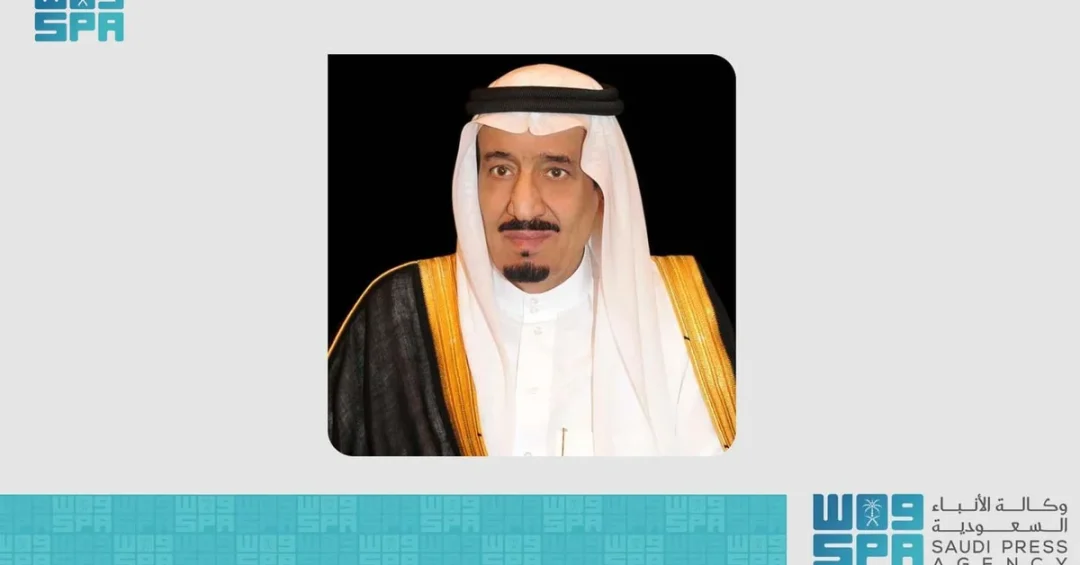
The Custodian of the Two Holy Mosques King Salman bin Abdulaziz Al Saud has sent a cable of congratulations to Federal Republic of Nigeria President Bola Ahmed Tinubu on the occasion of his country’s Independence Day. The message, conveyed through official diplomatic channels and reported by the Saudi Press Agency (SPA) on October 1, 2024, underscores the strong and enduring ties between the Kingdom of Saudi Arabia and Nigeria.
Context and Background
Nigeria celebrates its Independence Day on October 1, marking its liberation from colonial rule in 1960. This year’s observance comes at a time of significant bilateral cooperation between Riyadh and Abuja, particularly in the realms of trade, energy, and security. Saudi Arabia and Nigeria share a common commitment to stability in the African continent and the broader Muslim world, with Nigeria being home to one of the largest Muslim populations globally.
Key Details
In his cable, King Salman wished President Tinubu continued good health and happiness, while extending wishes of steady progress and prosperity to the government and people of Nigeria. The gesture reflects the Kingdom’s longstanding tradition of reaching out to allied and friendly nations on their national celebrations, reinforcing diplomatic bonds through personal communication from its leadership. The SPA release highlighted the timing of the message, which was sent at 16:04 local time (13:04 GMT).
International Impact
Such high-level diplomatic exchanges between Saudi Arabia and Nigeria are emblematic of a broader partnership. The two nations have collaborated through the Organization of Islamic Cooperation (OIC) and the OPEC+ energy alliance, where both are key players. Saudi Arabia’s engagement with Nigeria also aligns with its strategic focus on Africa under Vision 2030, as the Kingdom seeks to expand economic and cultural ties across the continent. This exchange reinforces mutual respect and a shared vision for peace and development.
Vision 2030 Alignment
King Salman’s congratulatory message serves as a reminder of Saudi Arabia’s role as a global hub for diplomacy and cooperation, in line with Vision 2030’s goals of fostering strong international partnerships and promoting stability. As the Kingdom continues to diversify its economy and global outreach, such gestures build goodwill and lay the groundwork for deeper collaboration with nations like Nigeria, supporting a future of shared prosperity and sustainable growth.
20 Questions
Q1. Who sent the congratulatory cable to Nigeria’s president?
A1. The Custodian of the Two Holy Mosques King Salman bin Abdulaziz Al Saud, the King of Saudi Arabia, sent the cable to President Bola Ahmed Tinubu.
Q2. Why did King Salman send the cable?
A2. The cable was sent to congratulate President Tinubu and the people of Nigeria on their country’s Independence Day, celebrated on October 1.
Q3. What does the King wish for President Tinubu in the cable?
A3. King Salman wished President Tinubu continued good health and happiness.
Q4. What does the King wish for Nigeria in the cable?
A4. The King wished steady progress and prosperity for the government and people of Nigeria.
Q5. When was the cable sent?
A5. The cable was sent on October 1, 2024, as reported by the Saudi Press Agency.
Q6. What is the Saudi Press Agency?
A6. The Saudi Press Agency (SPA) is the official news agency of the Kingdom of Saudi Arabia, responsible for disseminating official government announcements.
Q7. Who is President Bola Ahmed Tinubu?
A7. President Bola Ahmed Tinubu is the current President of the Federal Republic of Nigeria.
Q8. What is Nigeria’s Independence Day?
A8. Nigeria’s Independence Day is October 1, celebrating the country’s independence from British colonial rule in 1960.
Q9. What is the significance of King Salman’s gesture?
A9. The gesture reinforces strong diplomatic ties between Saudi Arabia and Nigeria, showing mutual respect and friendship.
Q10. How does this cable relate to Saudi foreign policy?
A10. It reflects Saudi Arabia’s tradition of engaging with friendly nations on national occasions, strengthening bilateral and international partnerships.
Q11. What is OPEC+?
A11. OPEC+ is a group of oil-producing nations, including Saudi Arabia and Nigeria, that collaborate to manage global oil supply and stabilize markets.
Q12. How does Vision 2030 connect to Africa?
A12. Vision 2030 aims to expand Saudi Arabia’s economic and cultural ties with Africa, including through trade, investment, and diplomatic exchanges.
Q13. What is the OIC?
A13. The Organization of Islamic Cooperation (OIC) is an international organization of Muslim-majority countries, promoting cooperation in political, economic, and social areas.
Q14. Are Saudi Arabia and Nigeria members of the OIC?
A14. Yes, both Saudi Arabia and Nigeria are members of the OIC, collaborating on issues related to the Muslim world.
Q15. What does this cable symbolize for Saudi-Nigeria relations?
A15. It symbolizes the strong and enduring friendship between the two nations, based on mutual respect and shared goals.
Q16. Why is Nigeria important to Saudi Arabia?
A16. Nigeria is a key economic and political partner in Africa, with a large Muslim population and significant energy sector ties.
Q17. What is the role of the Custodian of the Two Holy Mosques?
A17. The title refers to the King of Saudi Arabia as the protector of Islam’s holiest sites in Mecca and Medina.
Q18. How does this message support Saudi Arabia’s global image?
A18. It highlights Saudi Arabia as a responsible and friendly global actor that values diplomatic relations and international goodwill.
Q19. Was this message sent through official channels?
A19. Yes, the cable was transmitted through official diplomatic channels, as is standard for such communications.
Q20. What future cooperation might this message encourage?
A20. This positive exchange can foster deeper collaboration in areas like trade, energy, security, and cultural exchange under Vision 2030.
Reader Feedback
We value your thoughts. Please share your feedback on this article.
Your feedback helps us improve our coverage.