


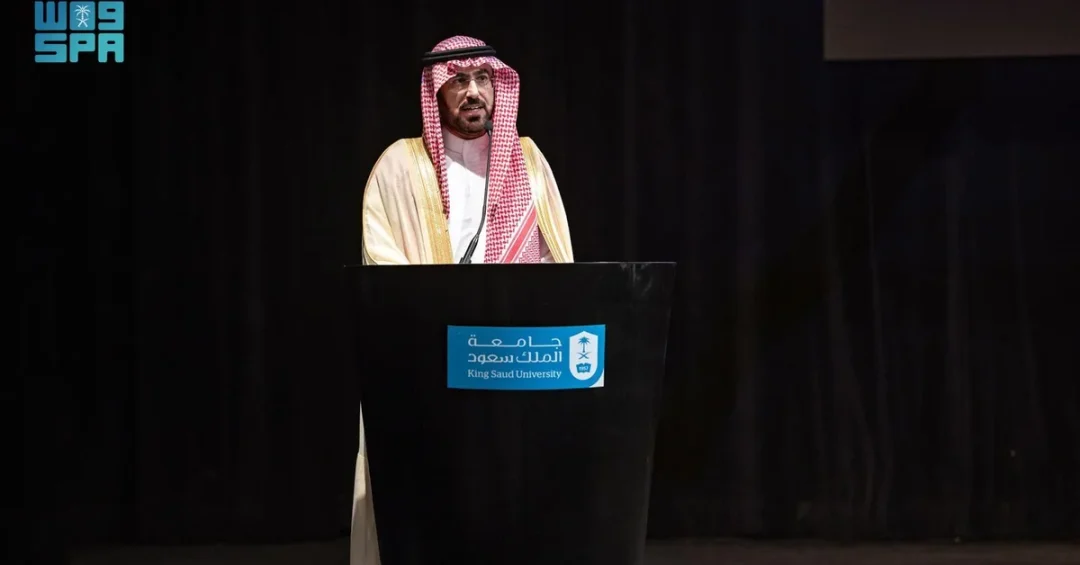
King Saud University President Abdullah bin Salman Al-Salman inaugurated the Regional Trade Policy Course (RTPC) for Middle Eastern countries on October 14, 2024, in Riyadh. The course is organized by the General Authority of Foreign Trade in cooperation with King Saud University and the World Trade Organization (WTO), and will run until December 5. General Authority of Foreign Trade Acting Governor Mohammed bin Abdulaziz Al-Abdul Jabbar attended the inauguration ceremony.
Context and Background
The Regional Trade Policy Course is a key initiative aimed at enhancing trade expertise across the Middle East. By partnering with the World Trade Organization, King Saud University is leveraging its academic resources to foster a deeper understanding of global trade rules and practices. This collaboration reflects Saudi Arabia’s commitment to building local and regional competencies in international trade, aligning with the Kingdom’s broader economic diversification goals under Vision 2030.
Key Details
During the inauguration, President Al-Salman emphasized that the university seeks to strengthen cooperation with the WTO to advance international trade. He described the RTPC as a valuable opportunity to benefit from the university’s expertise in trade policy. The course aims to instill a culture of global trade among participants, equipping them with knowledge on WTO agreements, trade negotiations, and policy formulation. The program is hosted at King Saud University’s specialized centers and colleges, drawing on its academic strengths.
Implications and Impact
The RTPC is expected to enhance trade capacity in Middle Eastern countries, fostering more informed participation in global trade frameworks. By training professionals from the region, the course supports economic integration and helps countries navigate complex trade environments. This initiative also highlights Saudi Arabia’s role as a regional hub for education and trade diplomacy, reinforcing its strategic position in international commerce and creating pathways for increased cross-border trade and investment.
Vision 2030 Alignment
The Regional Trade Policy Course directly supports Saudi Vision 2030 by promoting knowledge exchange, diversifying income sources, and creating job opportunities. President Al-Salman noted that the university mirrors the Kingdom’s role in international trade and its commitment to societal well-being. Through such partnerships, Saudi Arabia is building a skilled workforce capable of driving economic transformation, strengthening the nation’s position as a global trade leader, and achieving sustainable prosperity for its citizens and the region.
20 Questions
Q1. What is the Regional Trade Policy Course?
A1. The Regional Trade Policy Course is a training program offered by King Saud University, the General Authority of Foreign Trade, and the WTO to enhance trade policy knowledge in the Middle East.
Q2. Who inaugurated the course?
A2. King Saud University President Abdullah bin Salman Al-Salman inaugurated the course on October 14, 2024, in Riyadh.
Q3. How long will the course last?
A3. The course began on October 14, 2024, and will continue until December 5, 2024, spanning several weeks of comprehensive training.
Q4. Who attended the inauguration?
A4. General Authority of Foreign Trade Acting Governor Mohammed bin Abdulaziz Al-Abdul Jabbar attended the inauguration ceremony.
Q5. Which organizations are involved in the course?
A5. The course involves the General Authority of Foreign Trade, King Saud University, and the World Trade Organization.
Q6. What is the main goal of the RTPC?
A6. The main goal is to develop trade policy expertise in Middle Eastern countries, promoting international trade and economic cooperation.
Q7. How does the course benefit participants?
A7. Participants gain knowledge on WTO rules, trade negotiations, and policy-making, enhancing their skills for regional and global trade.
Q8. What did President Al-Salman say about the university’s role?
A8. He said the university works to boost cooperation with WTO and advance international trade, reflecting the Kingdom’s strategic trade position.
Q9. How does the course align with Vision 2030?
A9. The course supports Vision 2030 by diversifying income sources, creating jobs, and building competencies in trade and economic sectors.
Q10. What is the role of the General Authority of Foreign Trade?
A10. The Authority organized the course in partnership with the university and WTO, facilitating trade capacity-building in the region.
Q11. Is the course for Saudi participants only?
A11. No, it is designed for participants from Middle Eastern countries, promoting regional trade knowledge and cooperation.
Q12. What topics are covered in the course?
A12. Topics include WTO agreements, trade policy formulation, negotiation skills, and international trade law.
Q13. How does the course promote cultural exchange?
A13. By bringing together professionals from various Middle Eastern countries, it fosters collaboration and mutual understanding in trade matters.
Q14. What expertise does King Saud University offer?
A14. The university offers academic resources, specialized centers, and experienced faculty in global trade and policy.
Q15. How does the course benefit Saudi Arabia?
A15. It positions Saudi Arabia as a regional education hub, enhances its trade diplomacy, and supports economic diversification.
Q16. What is the WTO’s role in the course?
A16. The WTO provides expertise and frameworks for trade policy education, ensuring alignment with global standards.
Q17. What long-term impact is expected?
A17. The course is expected to strengthen trade capacities in the Middle East, boosting regional economic integration and growth.
Q18. How does this initiative reflect Saudi leadership?
A18. It demonstrates Saudi Arabia’s proactive role in fostering trade education and regional cooperation under Vision 2030.
Q19. Are there similar courses planned for the future?
A19. The success of this course may lead to further collaborations between King Saud University and WTO for ongoing trade training.
Q20. Where can more information be found?
A20. Official details are available through the Saudi Press Agency and King Saud University’s announcements.
Reader Feedback
We value your thoughts. Please share your feedback on this article.
Your feedback helps us improve our coverage.