


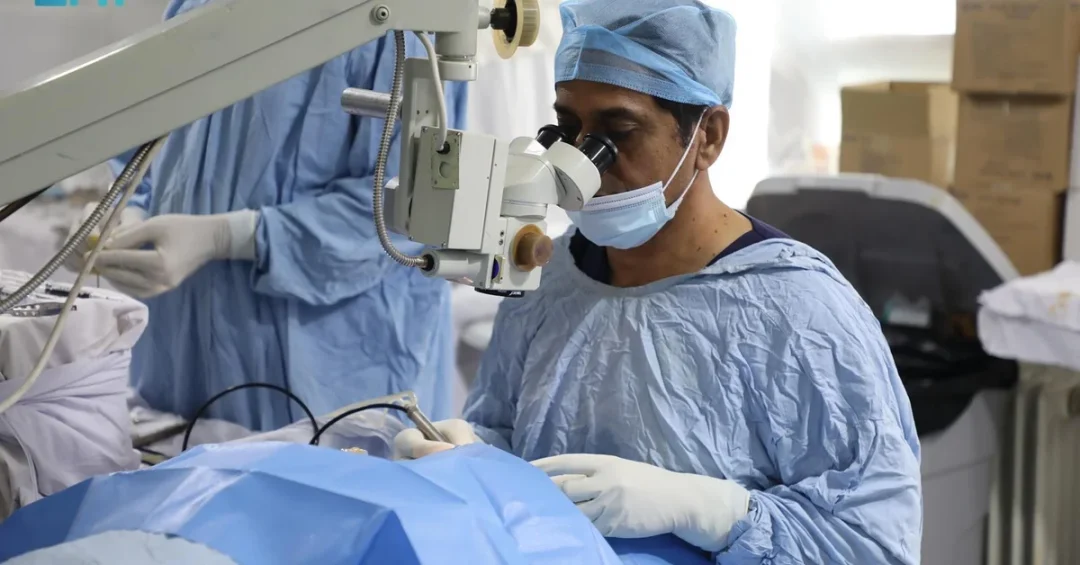
The King Salman Humanitarian Aid and Relief Center (KSrelief) successfully completed the Saudi Noor Voluntary Project to Combat Blindness in Kabul Province, Afghanistan, from October 27 to November 1, 2024. The initiative, conducted in cooperation with the World Sight Foundation, provided critical medical care to thousands of individuals suffering from eye diseases, reflecting Saudi Arabia’s ongoing commitment to global humanitarian efforts.
Context and Background
Afghanistan has long faced significant challenges in accessing quality healthcare, particularly in specialized fields like ophthalmology. Eye diseases, including cataracts and blindness, affect a substantial portion of the population due to limited medical infrastructure and resources. The Saudi Noor Voluntary Project aims to address this gap by deploying volunteer medical teams to perform surgeries and examinations, offering hope and restored sight to those in need. This project is part of KSrelief’s broader mission to provide humanitarian aid worldwide, aligning with the Kingdom’s Vision 2030 goals of promoting global health and well-being.
Key Details
During the six-day project, a KSrelief volunteer medical team examined a total of 4,160 cases and successfully performed 442 specialized surgeries. These procedures ranged from cataract removal to other sight-restoring operations, significantly improving the quality of life for the beneficiaries. The project was carried out in close collaboration with local health authorities and international partners, ensuring efficient delivery of services. As reported by the Saudi Press Agency, this initiative represents one of many humanitarian and relief projects implemented by the Kingdom through KSrelief to support the medical sector and assist people suffering from eye diseases in various countries.
20 Questions
Q1. What is KSrelief?
A1. KSrelief is the King Salman Humanitarian Aid and Relief Center, a Saudi agency established in 2015 to coordinate and deliver humanitarian assistance globally.
Q2. Where did the project take place?
A2. The project was carried out in Kabul Province, the capital region of Afghanistan, from October 27 to November 1, 2024.
Q3. Who organized the project?
A3. KSrelief organized the project in cooperation with the World Sight Foundation, an international organization focused on preventing blindness.
Q4. How many people were examined?
A4. The KSrelief volunteer medical team examined a total of 4,160 cases during the project.
Q5. How many surgeries were performed?
A5. The team successfully performed 442 specialized surgeries to treat eye diseases.
Q6. What is the Saudi Noor Voluntary Project?
A6. It is a recurring KSrelief initiative that deploys medical teams to combat blindness and eye diseases in underserved regions worldwide.
Q7. Why is Afghanistan a focus for this project?
A7. Afghanistan has limited access to specialized eye care, making it a priority for humanitarian medical missions to restore sight and improve health.
Q8. What types of surgeries were provided?
A8. The surgeries included cataract removal and other sight-restoring operations, though specific types were not detailed in the announcement.
Q9. How does this project align with Vision 2030?
A9. Vision 2030 emphasizes global humanitarian leadership, and this project demonstrates Saudi Arabia’s commitment to health and development abroad.
Q10. Is this a one-time project?
A10. No, it is part of an ongoing series of humanitarian and relief projects by KSrelief to support the medical sector in different countries.
Q11. Who confirmed the project outcomes?
A11. The Saudi Press Agency, the official Saudi news source, reported the project results on November 3, 2024.
Q12. Does KSrelief work with other organizations?
A12. Yes, KSrelief frequently collaborates with international partners like the World Sight Foundation to maximize impact.
Q13. What is the World Sight Foundation?
A13. The World Sight Foundation is a global nonprofit dedicated to preventing blindness and providing eye care in low-resource settings.
Q14. How were patients selected for surgery?
A14. Patients were likely identified through medical examinations during the project, prioritizing those with severe or treatable eye conditions.
Q15. What broader impact does this project have?
A15. It restores vision, reduces disability, and improves economic productivity for individuals and their communities in Afghanistan.
Q16. Is Saudi Arabia involved in other Afghan humanitarian projects?
A16. Yes, Saudi Arabia, through KSrelief, supports various projects in Afghanistan, including food aid, health care, and disaster relief.
Q17. How long did the project last?
A17. The project was conducted over six days, from October 27 to November 1, 2024.
Q18. Does KSrelief operate only in Afghanistan?
A18. No, KSrelief operates in over 80 countries, providing aid in health, education, water, and food security.
Q19. What is the significance of 442 surgeries?
A19. Each surgery represents a life changed, with restored sight enabling individuals to work, learn, and contribute to their families and society.
Q20. How can others support such projects?
A20. Support can come through donations to KSrelief, partnerships with humanitarian organizations, or raising awareness about global health needs.
Implications and Impact
This project has profound implications for the affected individuals and the broader community. By restoring sight, the KSrelief team has enabled hundreds of people to regain their independence, return to work, and participate more fully in social and economic life. The initiative also strengthens the capacity of the local health sector by demonstrating effective surgical techniques and fostering cooperation between international and Afghan medical professionals. Regionally, it underscores Saudi Arabia’s role as a leading humanitarian donor in South Asia, building goodwill and fostering stability through health diplomacy.
Vision 2030 Alignment
The successful completion of this project highlights Saudi Arabia’s dedication to Vision 2030, which aims to position the Kingdom as a global hub for philanthropy and humanitarian action. Through KSrelief, Saudi Arabia continues to extend its hand to nations in need, embodying the values of compassion and solidarity. As the Kingdom looks ahead, such initiatives will remain central to its foreign policy, promoting health, education, and sustainable development worldwide while strengthening its role as a responsible global leader.
Reader Feedback
We value your thoughts. Please share your feedback on this article.
Your feedback helps us improve our coverage.